Why the world’s most famous chocolate beans are effectively banned in the United States
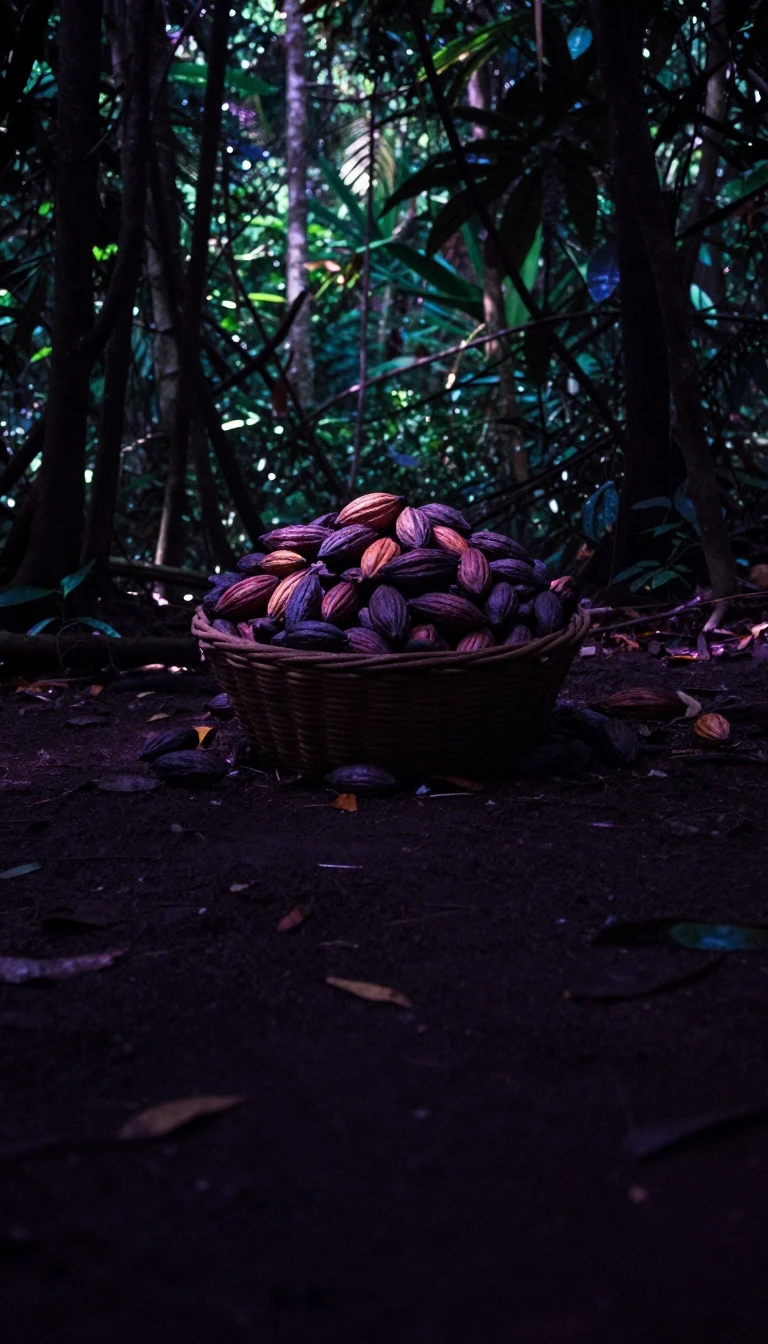
In short: If you ask for Smarties in the United States, you will receive hard, chalky tablets. Yet, in the rest of the world, Smarties are iconic, colorful, milk-chocolate-filled treats. This transatlantic confusion stems from a century of corporate strategy, trademark wars, and a secret 1947 pact between confectionery giants.
The origin of the global Smarties brand traces back to 1882, when Rowntree’s of York, England, began producing chocolate beans. By 1937, the company officially branded them Smarties. These sweets became famous for their distinct, oblate spheroid shape and their iconic cardboard tube packaging, which featured collectible plastic caps embossed with letters. This packaging was so central to the brand's identity that Nestlé, which later acquired Rowntree’s, attempted to trademark the tubular shape in 1998. However, the Supreme Court of Denmark eventually struck down this claim, ruling that a basic geometric form could not be granted exclusive trademark protection.
The absence of these chocolate treats in the United States is not accidental. In 1947, Rowntree’s entered into a formal agreement with Mars. To avoid direct competition with M&Ms in the American market, Rowntree’s agreed to keep its chocolate beans out of the US. In exchange, Rowntree’s secured the rights to manufacture Mars bars for distribution in Canada, Ireland, and South Africa. This arrangement solidified the market divide that persists today, where the Smarties name in the US is held by a separate company producing a completely different, non-chocolate tablet candy.
Beyond market logistics, the evolution of the candy itself reflects shifting global standards for food safety. Originally, Smarties relied on synthetic dyes, but health concerns prompted a major transition. In 2005, blue Smarties were temporarily pulled from shelves due to dye safety fears. By 2006, Nestlé began purging artificial colorings from the UK supply, replacing them with natural alternatives like red cabbage and beet extracts. The blue variety was eventually restored in 2008 using a pigment derived from spirulina. This commitment to natural ingredients was later mirrored in the Canadian market, where artificial colors were phased out by 2010.
Opens the Intellect+ feed with this card first. Swipe up for the next one.
Sources
- Summary by Intellect · source: Smarties
To cite this card, link to https://intellectplus.co.uk/app/culture-smarties.
How we source, check and correct cards: Editorial standards.
General information, not professional advice. Spotted an error? Flag the card or see corrections and complaints.
Intellect Plus is a visual educational discovery platform for exploring fascinating facts and ideas. Brain Food, Not Brain Rot. What is Intellect Plus?
Related
More in Languages · More in Cultures · Latest · A–Z · All topics
