The Oldest European Settlement in the United States Is a Florida Time Capsule
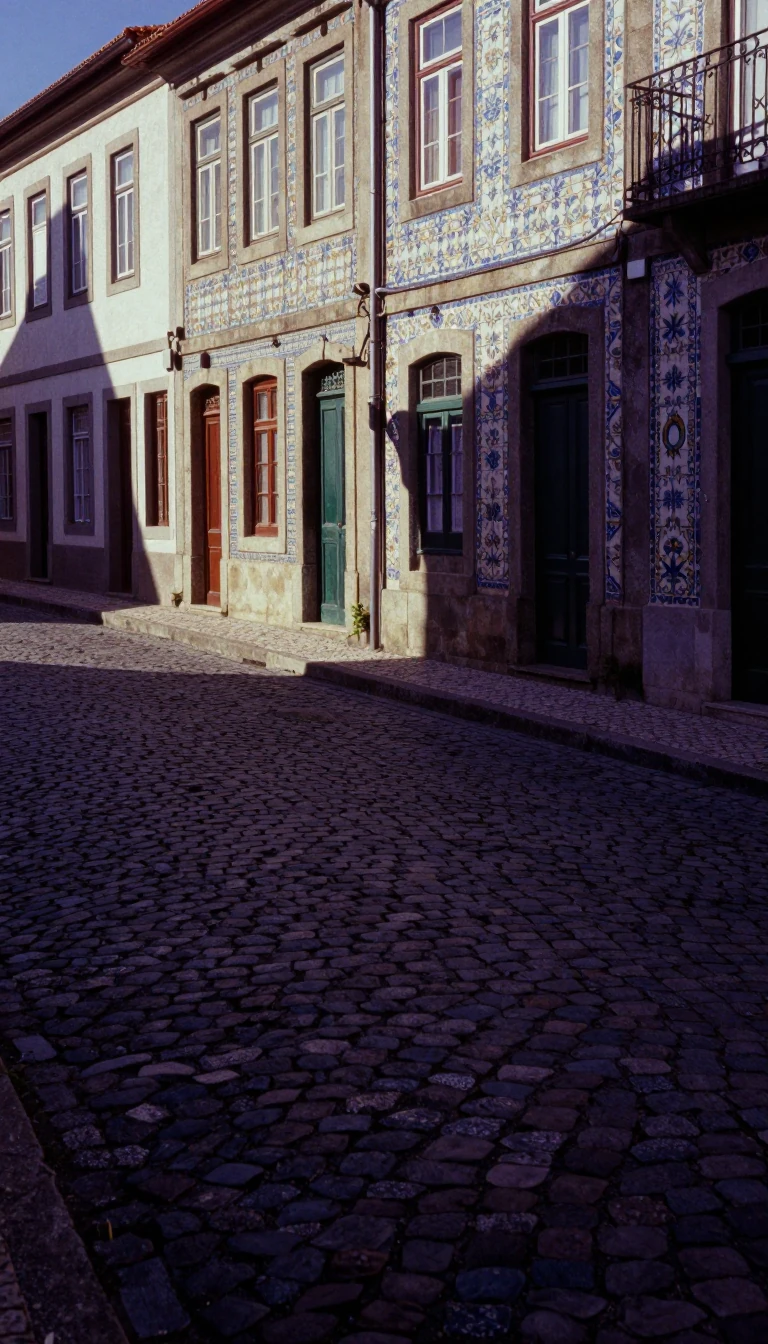
In short: Founded in 1565, St. Augustine is the longest-continuously inhabited European-established city in the contiguous United States. From its origins as a Spanish military outpost to its transformation into a Gilded Age playground for the wealthy, this coastal city has survived sieges, pirate raids, and profound social upheaval.
Spanish admiral Pedro Menéndez de Avilés established San Agustín on September 8, 1565, after sighting land on the feast day of St. Augustine. The site was chosen for its strategic position near the St. Johns River, which provided both defensive advantages and access to vital water routes. Before the Spanish arrival, the area was home to the Timucua, who maintained complex social structures and trade networks. The Spanish quickly established Mission Nombre de Dios, potentially the first mission in the continental United States, to serve the local population.
The city’s history is defined by its vulnerability to foreign powers. It was sacked by Sir Francis Drake in 1586 and later by the buccaneer Robert Searle in 1668. These threats forced the Spanish to construct the Castillo de San Marcos, a massive masonry fortress completed in 1695. During the 18th century, the city became a unique sanctuary; in 1738, the governor established Fort Mose, the first legally sanctioned settlement for formerly enslaved people who had escaped from the British colonies to seek freedom and convert to Catholicism.
By the late 19th century, the city underwent a radical metamorphosis led by Henry Flagler, a co-founder of Standard Oil. Flagler viewed St. Augustine as a potential winter resort for northern elites and invested heavily in infrastructure, including the Florida East Coast Railway and ornate hotels like the Ponce de Leon. These developments introduced electricity and modern amenities, permanently shifting the city's identity toward tourism. While the city later became a focal point for the civil rights movement in 1964, when leaders like Martin Luther King Jr. joined local activists to protest segregation, its architectural landscape remains a testament to its layered, centuries-old heritage.
Opens the Intellect+ feed with this card first. Swipe up for the next one.
Sources
- Summary by Intellect · source: St. Augustine, Florida
To cite this card, link to https://intellectplus.co.uk/app/culture-st-augustine-florida.
How we source, check and correct cards: Editorial standards.
General information, not professional advice. Spotted an error? Flag the card or see corrections and complaints.
Intellect Plus is a visual educational discovery platform for exploring fascinating facts and ideas. Brain Food, Not Brain Rot. What is Intellect Plus?
Related
More in US culture · More in Cultures · Latest · A–Z · All topics
