How a psychedelic children's show became a global cultural phenomenon and a political lightning rod
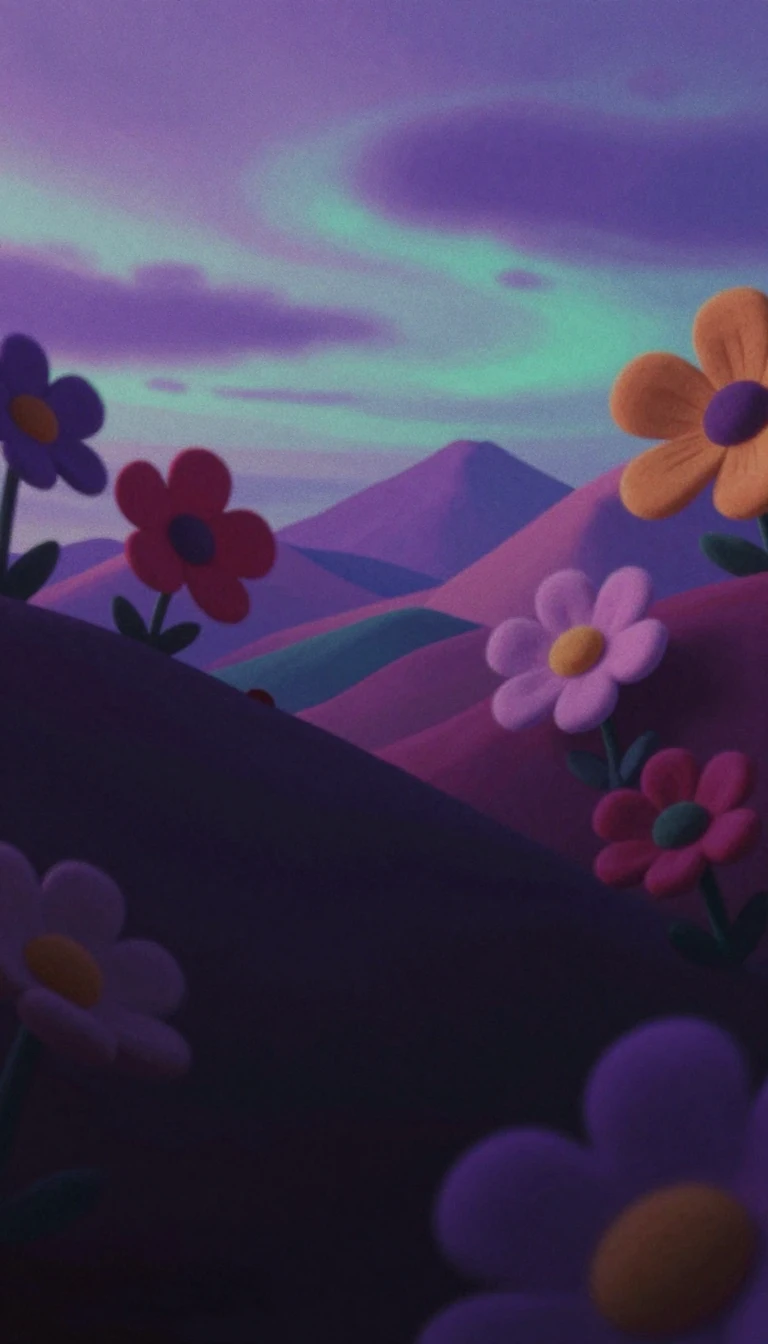
In short: Created by Anne Wood and Andrew Davenport, Teletubbies became a massive commercial success, generating over £1 billion in merchandise by 2000. While designed for toddlers, the show's surreal, ritualistic format sparked intense debates about child development, language acquisition, and even the sexuality of its purple, handbag-toting lead character, Tinky Winky.
The Teletubbies were conceived in the late 1990s as a response to an increasingly technological world. Inspired by the Apollo 11 moon landing and a desire to help infants navigate life's transitions, creators Anne Wood and Andrew Davenport designed a vibrant, grassy landscape populated by four toddler-like creatures. The show's unique aesthetic, featuring periscope-like Voice Trumpets and a sentient vacuum cleaner named Noo-Noo, was intended to unlock different sections of the mind. Despite its target audience of one-to-four-year-olds, the programme developed a significant cult following among college students who were drawn to its repetitive, psychedelic qualities.
The show's rapid ascent was marked by both massive popularity and controversy. In 1997, the theme song reached number one on the UK Singles Chart, and by Christmas of that year, over one million dolls had been sold in Britain. However, the show faced backlash from parents and critics who feared its gibberish-heavy dialogue would hinder language development. Further controversy erupted in 1999 when Jerry Falwell alleged that Tinky Winky was a gay role model, citing his purple color and triangular antenna as symbols of gay pride. The BBC maintained that the character was merely a sweet, technological baby, and later investigations by Polish authorities found no evidence of negative psychological effects.
Over time, the Teletubbies evolved from a children's programme into a broader cultural symbol. The gay community eventually embraced the characters, and in 2021, brand owner WildBrain launched a Pride collection to support LGBTQ+ inclusion. The show's legacy extends into global media, having aired in over 120 countries and 45 languages. From being parodied in South Korean political skits to having its filming location in Wimpstone converted into a pond to deter trespassing fans, the Teletubbies remain a complex, enduring fixture of modern popular culture.
Opens the Intellect+ feed with this card first. Swipe up for the next one.
Sources
- Summary by Intellect · source: Teletubbies
To cite this card, link to https://intellectplus.co.uk/app/culture-teletubbies.
How we source, check and correct cards: Editorial standards.
General information, not professional advice. Spotted an error? Flag the card or see corrections and complaints.
Intellect Plus is a visual educational discovery platform for exploring fascinating facts and ideas. Brain Food, Not Brain Rot. What is Intellect Plus?
Related
More in UK & Irish culture · More in Cultures · Latest · A–Z · All topics
