Why Arthur Conan Doyle tried to kill his most famous creation in 1893
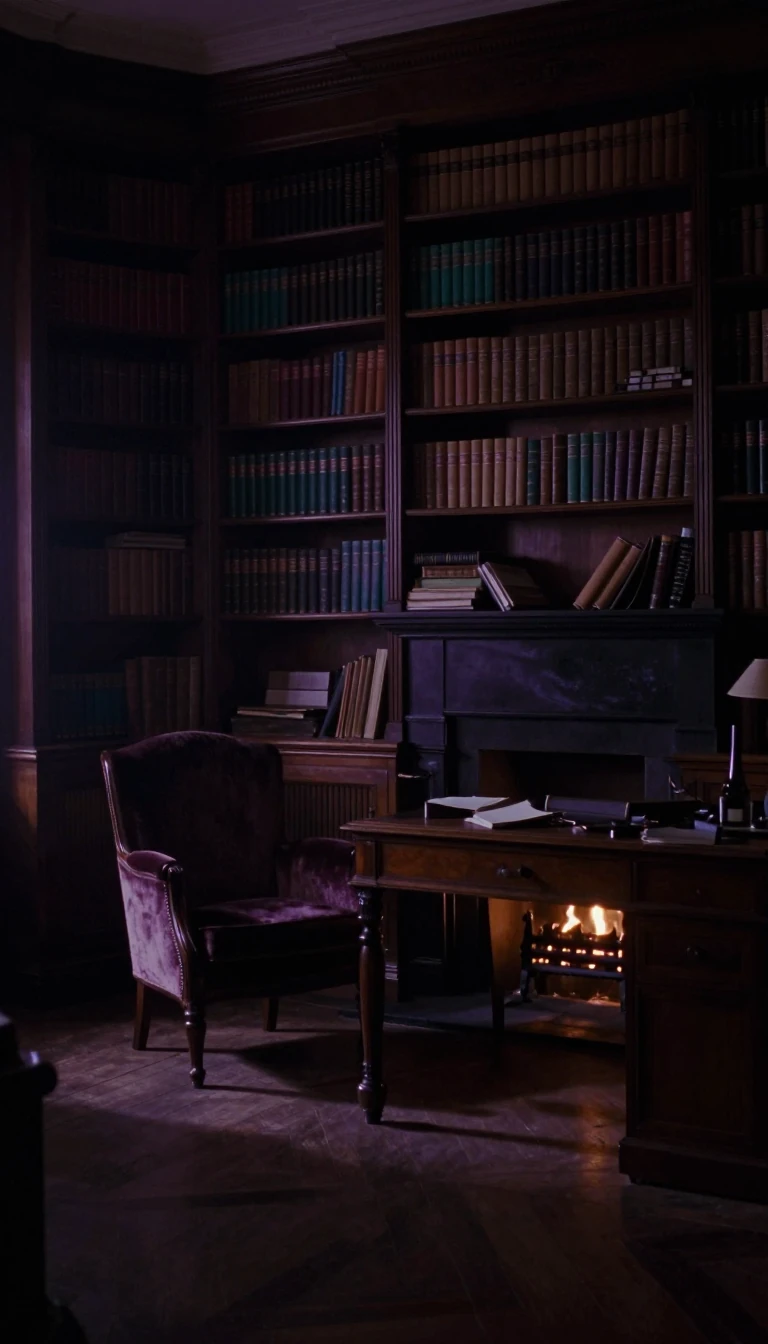
In short: Sir Arthur Conan Doyle intended The Final Problem to be the definitive end for Sherlock Holmes. Frustrated that his detective distracted him from serious literature, he sent Holmes to his death at Reichenbach Falls. The public outcry was unprecedented, forcing Doyle to eventually resurrect his character for further adventures.
Published in December 1893, The Final Problem was designed as a permanent conclusion. Doyle felt the Holmes stories hindered his career, famously writing to his mother that he needed to save his mind for better work, even if it meant burying his pocketbook alongside the detective. He chose the Reichenbach Falls in Switzerland as the setting for this final confrontation after visiting the region earlier that year.
In the narrative, Holmes tracks the criminal mastermind Professor Moriarty across Europe. The story culminates in a mortal struggle at the Falls, where both men are presumed to have fallen to their deaths. The reaction from readers was intense; some young men in London reportedly wore black mourning crêpes, and The Strand Magazine faced a wave of subscription cancellations. This response marked a shift in how audiences engaged with popular culture, as they began to expect their favorite works to align with their personal expectations.
Though the bodies were never recovered, the story provided enough ambiguity for Doyle to later bring Holmes back. He revealed that Holmes had survived the struggle, having defeated Moriarty while avoiding the fatal plunge himself. This resurrection, first explored in The Adventure of the Empty House, cemented the detective's legacy. The Reichenbach Falls remains a site of pilgrimage for fans, featuring a memorial plaque and a museum in Meiringen that commemorate the event that nearly ended the world's most famous detective story.
The story has since become a cultural touchstone, inspiring countless adaptations across film, television, and radio. From the 1923 silent film to modern interpretations like the BBC's Sherlock, creators have consistently returned to the dramatic showdown at the Falls. Whether through direct retellings or loose homages, the tension between Doyle's desire to move on and the public's demand for more Holmes continues to define the character's enduring appeal.
Opens the Intellect+ feed with this card first. Swipe up for the next one.
Sources
- Summary by Intellect · source: The Final Problem
To cite this card, link to https://intellectplus.co.uk/app/culture-the-final-problem.
How we source, check and correct cards: Editorial standards.
General information, not professional advice. Spotted an error? Flag the card or see corrections and complaints.
Intellect Plus is a visual educational discovery platform for exploring fascinating facts and ideas. Brain Food, Not Brain Rot. What is Intellect Plus?
Related
More in Traditions & customs · More in Cultures · Latest · A–Z · All topics
