Why Linkin Park abandoned their experimental sound to hunt for the soul of rock
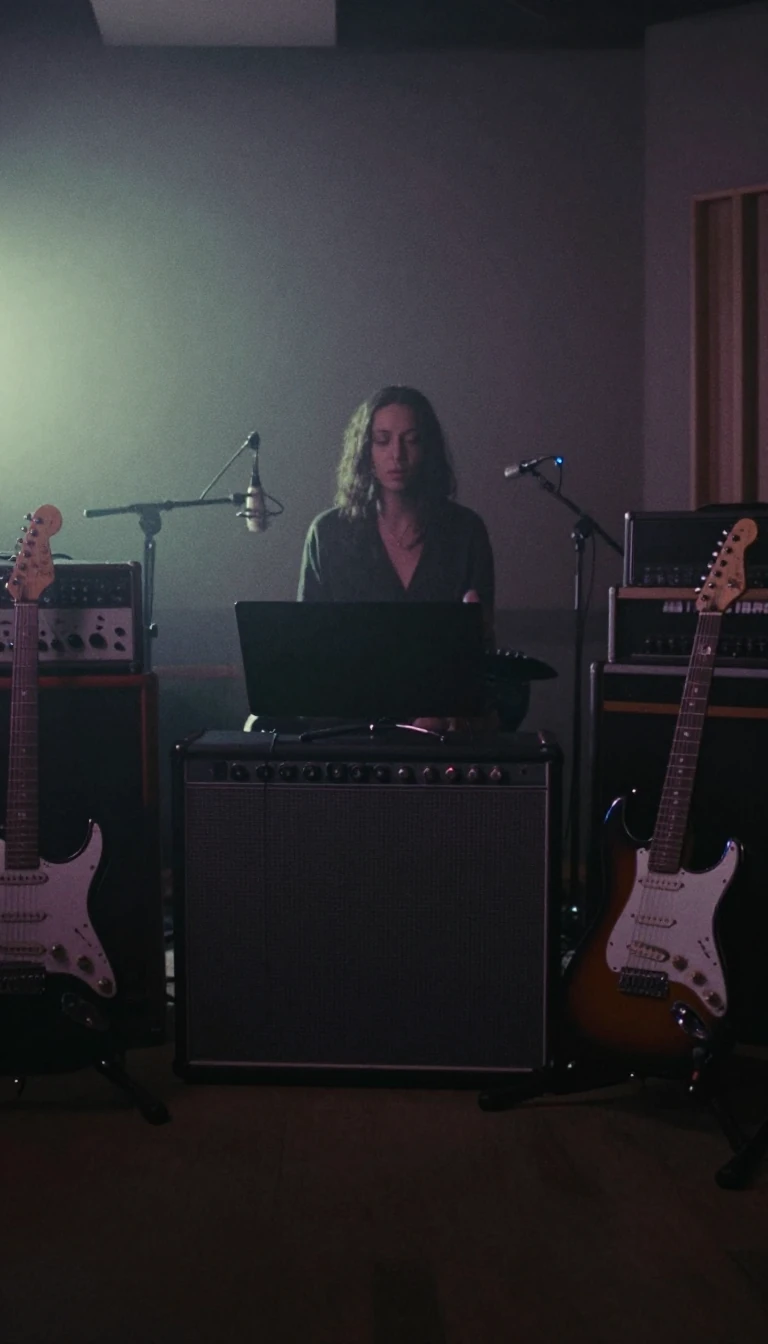
In short: In 2014, Linkin Park made a sharp pivot. After years of electronic experimentation, the band scrapped their demos and returned to a raw, heavy sound. They aimed to challenge what they saw as a passive, safe music industry, positioning themselves as a hunting party reclaiming the energy of 1990s rock.
The release of The Hunting Party in June 2014 marked a deliberate departure from the band's previous two studio albums, A Thousand Suns and Living Things. While those records were commercially successful, Mike Shinoda felt the band had drifted into an experimental, electronic-heavy sound that lacked the visceral intensity he craved. After initially recording demos that continued this electronic direction, Shinoda felt a strong sense of negativity toward the material, eventually scrapping the work entirely to start fresh with a focus on traditional rock instrumentation.
The band approached the album as a return to their roots, using their 2000 debut Hybrid Theory as a conceptual template. However, they aimed to execute this vision with the perspective of 37-year-old adults rather than teenagers. This shift in methodology was profound: unlike previous albums that relied on a traditional cycle of writing, demoing, and rerecording, the band composed and recorded the material improvisationally in the studio. This process allowed for spontaneous, unscripted moments, including the rare inclusion of guitar solos, which guitarist Brad Delson had previously avoided.
The album's title reflects a critique of modern culture, which Shinoda described as becoming too passive, comparing contemporary society to the concept of herbivorous grazing. By contrast, the band positioned themselves as a hunting party actively seeking out the energy they felt was missing from modern rock radio. The recording process was physically demanding, particularly for drummer Rob Bourdon, who reportedly broke his back during the intense sessions. Despite mixed commercial performance—debuting at number three on the US Billboard 200—the album was praised by critics for its aggressive, rejuvenated sound and its willingness to reject the safety of mainstream trends.
The project also marked the first time the band collaborated with guest artists on a studio album, featuring contributions from Rakim, Page Hamilton, Daron Malakian, and Tom Morello. This collaborative spirit extended to the visual presentation, with artist James Jean creating a series of artworks that were transformed into 3D models. The result was a holistic, interconnected universe that the band used across their merchandise, tour visuals, and packaging, reinforcing their commitment to a cohesive, high-energy artistic statement.
Opens the Intellect+ feed with this card first. Swipe up for the next one.
Sources
- Summary by Intellect · source: The Hunting Party (album)
To cite this card, link to https://intellectplus.co.uk/app/culture-the-hunting-party-album.
How we source, check and correct cards: Editorial standards.
General information, not professional advice. Spotted an error? Flag the card or see corrections and complaints.
Intellect Plus is a visual educational discovery platform for exploring fascinating facts and ideas. Brain Food, Not Brain Rot. What is Intellect Plus?
Related
More in UK & Irish culture · More in Cultures · Latest · A–Z · All topics
