The opulent parlor of a Virginia plantation house hides a history of forced labor
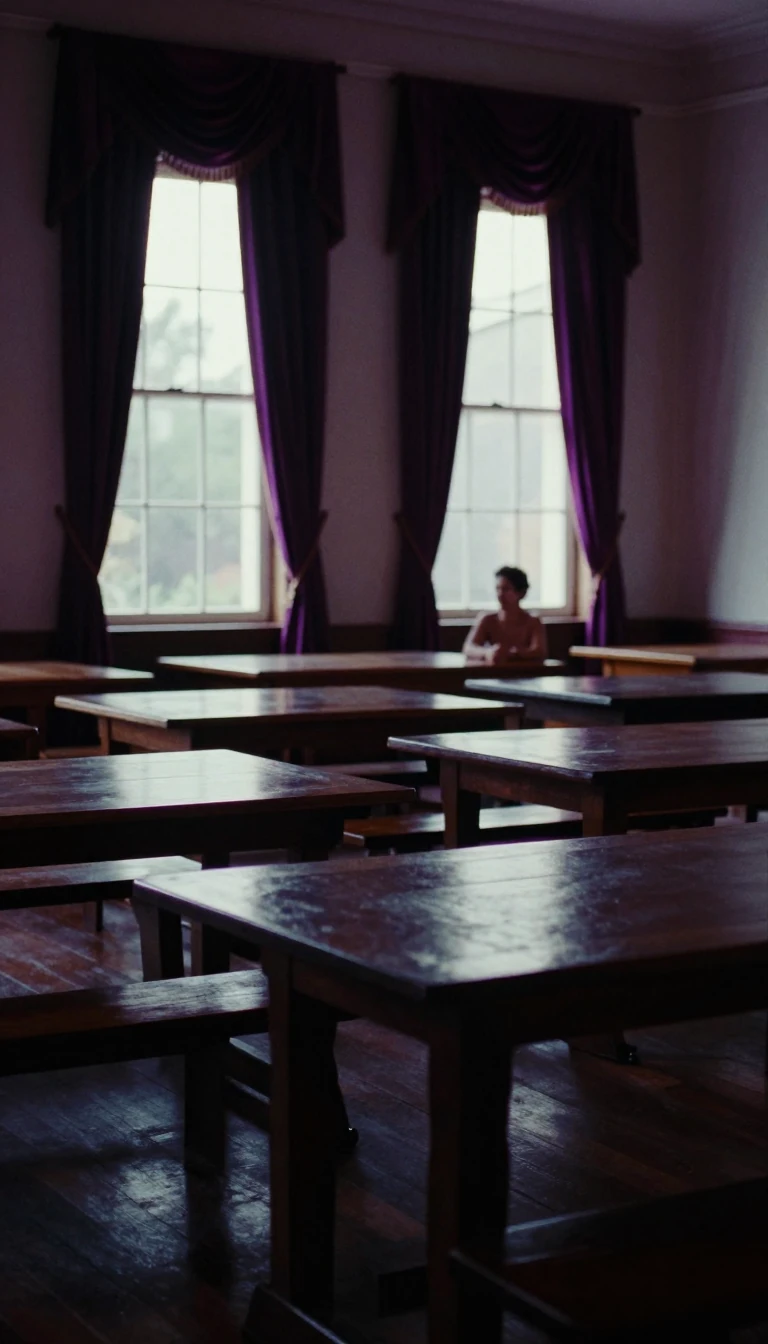
In short: The Marmion Room, a centerpiece of eighteenth-century American decorative art, showcases sophisticated Rococo design and faux-marble painting. Yet, this elegant parlor was maintained by enslaved people whose lives were defined by systemic control. Behind the ornate woodwork lies a stark reality of human bondage within the Tidewater region's elite plantation culture.
Built around 1756 in King George County, Virginia, the Marmion plantation house represents the architectural ambitions of the Tidewater elite. The property, situated on the ancestral lands of Algonquian-speaking peoples like the Nanzatico and Patawomeck, was a hub of trans-Atlantic trade. Profits from tobacco cultivation and land rents fueled the construction of this seven-bay Georgian mansion, which featured a complex jerkinhead roof and four surrounding dependencies: a dairy, kitchen, smokehouse, and office.
The house's interior, particularly the parlor now displayed at The Metropolitan Museum of Art, reflects the status of owners like the Fitzhugh and Lewis families. The room features thirteen Ionic pilasters, intricate Rococo ornaments, and surfaces painted to imitate gold Siena marble. While these aesthetic choices were designed to impress guests, the daily operation of the household relied entirely on the labor of enslaved men and women who managed cooking, cleaning, and childcare.
The human cost of this lifestyle is documented in records of those held in bondage. An enslaved man named Billy served as a butler for George Washington Lewis for his entire life. Later, in 1835, Daingerfield Lewis placed a newspaper notice offering a $100 reward for the capture of an enslaved man named John, who had attempted to escape. Despite John’s literacy and medical knowledge, evidence suggests his pursuit of freedom was unsuccessful, as he remained listed in the family's 1862 probate inventory. These accounts highlight the brutal contradiction between the refined domesticity of the Tidewater plantation and the reality of the people forced to sustain it.
Opens the Intellect+ feed with this card first. Swipe up for the next one.
Sources
- Summary by Intellect · source: Marmion Room | The Metropolitan Museum of Art
- Also: Tidewater Region
To cite this card, link to https://intellectplus.co.uk/app/culture-tidewater-region.
How we source, check and correct cards: Editorial standards.
General information, not professional advice. Spotted an error? Flag the card or see corrections and complaints.
Intellect Plus is a visual educational discovery platform for exploring fascinating facts and ideas. Brain Food, Not Brain Rot. What is Intellect Plus?
Related
More in US culture · More in Cultures · Latest · A–Z · All topics
