How a coalition of Indian parties attempted to reshape the rural agrarian economy
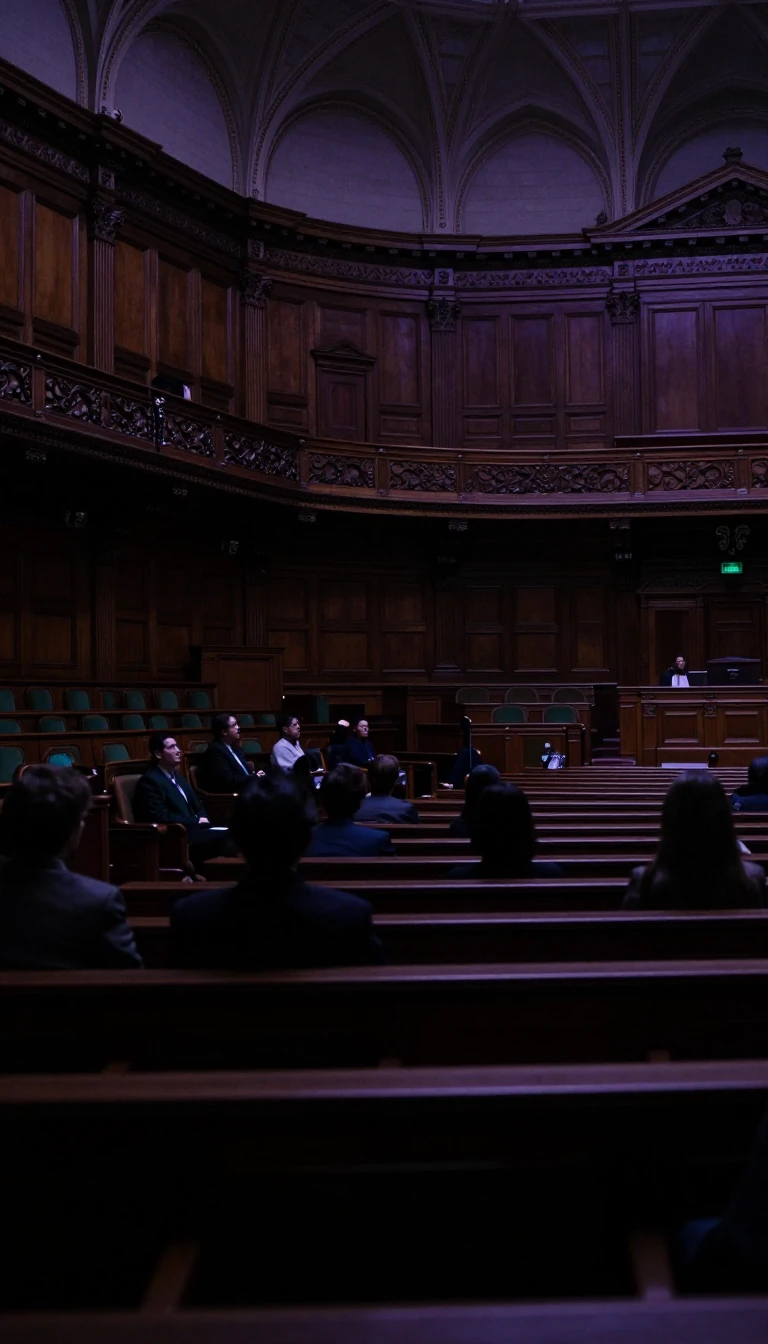
In short: Formed in 2004, the United Progressive Alliance governed India for a decade. By championing rural development and agrarian reform, the centre-left coalition sought to bridge the gap between India's booming cities and its stagnant countryside. Yet, internal friction and corruption scandals eventually led to a dramatic political downfall.
The United Progressive Alliance emerged from the indecisive 2004 Lok Sabha elections. Lacking a parliamentary majority, the Indian National Congress and its allies formed a coalition held together by the National Common Minimum Programme. This agenda was explicitly designed to counter the economic policies of the incumbent National Democratic Alliance, which critics argued had left rural populations behind during a period of national growth.
During its first term, the UPA implemented programs reminiscent of the American New Deal, focusing on agricultural investment, credit access, and infrastructure. While the economy expanded, the government faced significant internal and external pressure, particularly over a controversial nuclear cooperation deal with the United States. This agreement nearly collapsed the administration during a 2008 confidence vote, highlighting the fragility of the coalition's reliance on external support from left-leaning parties.
The alliance's second term, beginning in 2009, was defined by a steady decline in popularity. As the global financial crisis impacted India, the government struggled with rising inflation, high interest rates, and slowing growth. These economic headwinds were compounded by a series of high-profile corruption scandals that implicated senior officials, including Prime Minister Manmohan Singh. By 2014, the electorate increasingly viewed the UPA as elitist and corrupt.
The 2014 parliamentary elections marked a decisive shift, as the Bharatiya Janata Party capitalized on the UPA's tarnished image. Under the leadership of Narendra Modi, the BJP secured a landslide victory, effectively ending the UPA's decade in power. Despite rebranding efforts and continued influence from the Nehru-Gandhi family, the alliance struggled to shed its reputation, eventually dissolving in 2023 to form a new political front.
Opens the Intellect+ feed with this card first. Swipe up for the next one.
Sources
- Summary by Intellect · source: United Progressive Alliance | India, Government, & Congress Party | Britannica
- Also: United Progressive Alliance
To cite this card, link to https://intellectplus.co.uk/app/culture-united-progressive-alliance.
How we source, check and correct cards: Editorial standards.
General information, not professional advice. Spotted an error? Flag the card or see corrections and complaints.
Intellect Plus is a visual educational discovery platform for exploring fascinating facts and ideas. Brain Food, Not Brain Rot. What is Intellect Plus?
Related
More in Festivals & celebrations · More in Cultures · Latest · A–Z · All topics
