A Caribbean territory with a complex history, three main islands, and official English status.
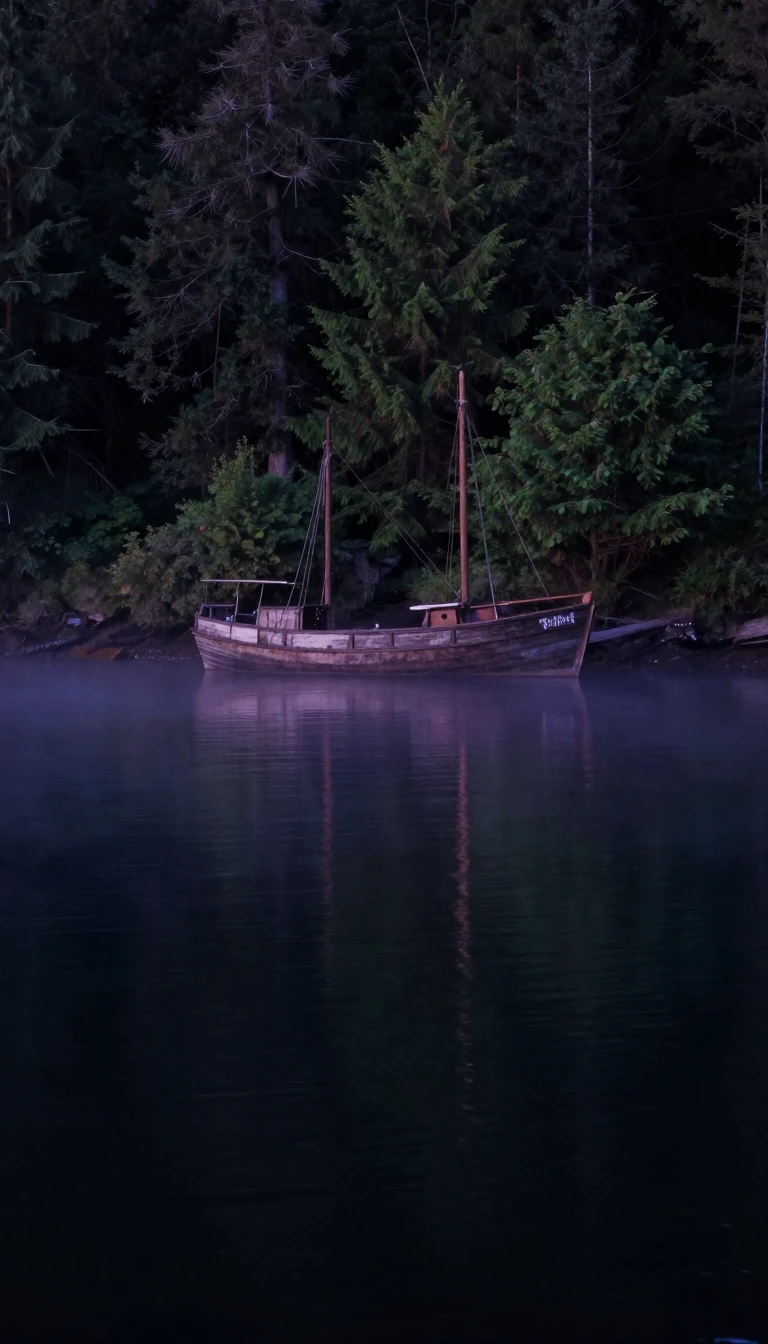
In short: The U.S. Virgin Islands are more than just a tropical getaway. Once a Danish colony fueled by sugar plantations and enslaved labor, this Caribbean territory now serves as a unique American outpost. From its volcanic peaks to its diverse linguistic landscape, the islands offer a fascinating study in cultural evolution.
Geographically part of the Virgin Islands archipelago, the territory comprises three primary islands—St. Thomas, St. John, and St. Croix—alongside roughly 50 smaller islets and cays. While St. Thomas and St. John are rugged and volcanic, St. Croix features a flatter terrain defined by coral origins. The islands sit at the boundary of the North American and Caribbean plates, a location that exposes them to natural hazards like hurricanes, earthquakes, and tsunamis. Despite these challenges, the climate remains tropical, with temperatures moderated year-round by northeast trade winds.
The islands’ history is deeply tied to European colonial ambitions. Originally inhabited by Arawakan-speaking peoples and later the Kalinago, the islands were named by Christopher Columbus in 1493. By the 18th century, they had become the Danish West Indies, a hub for sugar, cotton, and indigo production reliant on enslaved Africans. The 1733 slave rebellion on St. John remains a pivotal moment in this era. Following economic decline and the abolition of slavery in 1848, Denmark eventually sold the territory to the United States in 1917 for $25 million, a strategic move driven by fears of German expansion during World War I.
Today, the U.S. Virgin Islands function as an organized, unincorporated territory. While residents are U.S. citizens by statute, they cannot vote for the U.S. president. The official language is English, though the cultural fabric is enriched by French speakers on St. Thomas and Spanish speakers on St. Croix, the latter largely due to Puerto Rican immigration. The economy, once dominated by sugar and later by a massive oil refinery on St. Croix, has shifted toward tourism and government services. Despite their status, the islands maintain a distinct identity, electing their own governor and legislature while navigating the complexities of their relationship with the American federal government.
Opens the Intellect+ feed with this card first. Swipe up for the next one.
Sources
- Summary by Intellect · source: United States Virgin Islands
- Also: United States Virgin Islands | History, Geography, & Maps | Britannica
To cite this card, link to https://intellectplus.co.uk/app/culture-united-states-virgin-islands.
How we source, check and correct cards: Editorial standards.
General information, not professional advice. Spotted an error? Flag the card or see corrections and complaints.
Intellect Plus is a visual educational discovery platform for exploring fascinating facts and ideas. Brain Food, Not Brain Rot. What is Intellect Plus?
Related
More in Languages · More in Cultures · Latest · A–Z · All topics
