Could a massive super-eruption actually trigger a global volcanic winter catastrophe?
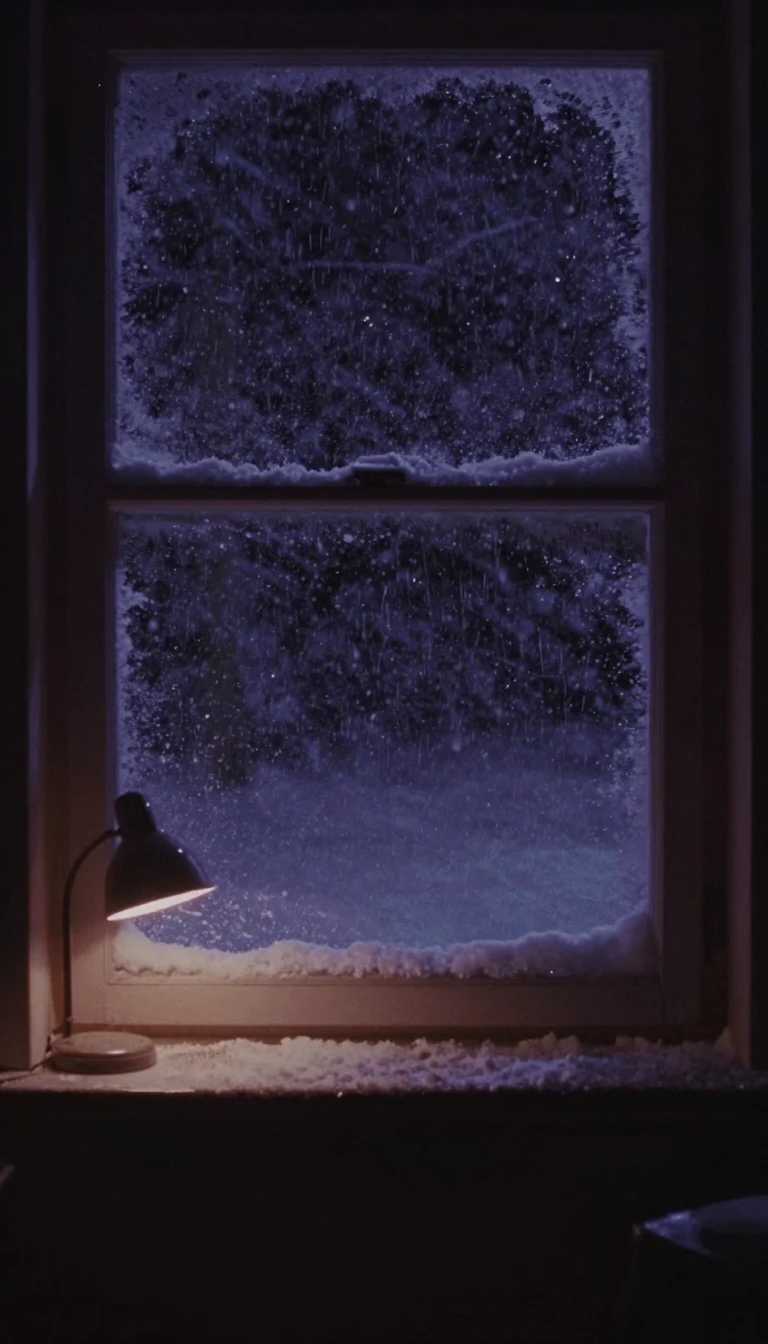
In short: For decades, scientists feared that super-eruptions could plunge Earth into a deep, civilization-ending freeze. However, new computer simulations suggest the cooling effect is far more modest than previously estimated. This discovery challenges our understanding of past climate shifts and complicates the idea of using geoengineering to cool the planet.
A super-eruption is defined as an event releasing over 240 cubic miles of magma. These rare occurrences, such as the Toba explosion 74,000 years ago or the Yellowstone event 2 million years ago, have long been suspected of causing extreme global cooling. Earlier estimates suggested temperatures could drop by as much as 14 degrees Fahrenheit. However, recent modeling from NASA’s Goddard Institute for Space Studies and Columbia University indicates that even the most powerful blasts likely limit cooling to no more than 2.7 degrees Fahrenheit.
The discrepancy in these estimates often hinges on the behavior of microscopic sulfur particles injected into the stratosphere. Once in the atmosphere, sulfur dioxide gas transforms into liquid sulfate aerosols. These particles have a dual effect: they reflect incoming sunlight, which cools the surface, but they also trap outgoing heat, creating a greenhouse warming effect. The cooling potential depends heavily on the size and density of these particles, which are notoriously difficult to measure from ancient records due to mixing and compaction in ice cores.
This research provides a potential explanation for why there is no clear evidence of global-scale catastrophe following known super-eruptions. By simulating a range of particle sizes, researchers found that these massive events may not be capable of altering temperatures significantly more than modern eruptions, such as the 1991 Mount Pinatubo event, which caused a drop of about half a degree for two years. These findings suggest that the climate system is more resilient than once thought, and they highlight the immense technical hurdles facing any proposed geoengineering efforts to artificially cool the Earth via stratospheric aerosol injection.
Opens the Intellect+ feed with this card first. Swipe up for the next one.
Sources
- Summary by Intellect · source: Can Volcanic Super Eruptions Lead to Major Cooling? Study Suggests No - NASA
- Also: Volcanic winter
To cite this card, link to https://intellectplus.co.uk/app/culture-volcanic-winter.
How we source, check and correct cards: Editorial standards.
General information, not professional advice. Spotted an error? Flag the card or see corrections and complaints.
Intellect Plus is a visual educational discovery platform for exploring fascinating facts and ideas. Brain Food, Not Brain Rot. What is Intellect Plus?
Related
More in Festivals & celebrations · More in Cultures · Latest · A–Z · All topics
