Could a modern language be a living relic of the ancient Parthian empire?
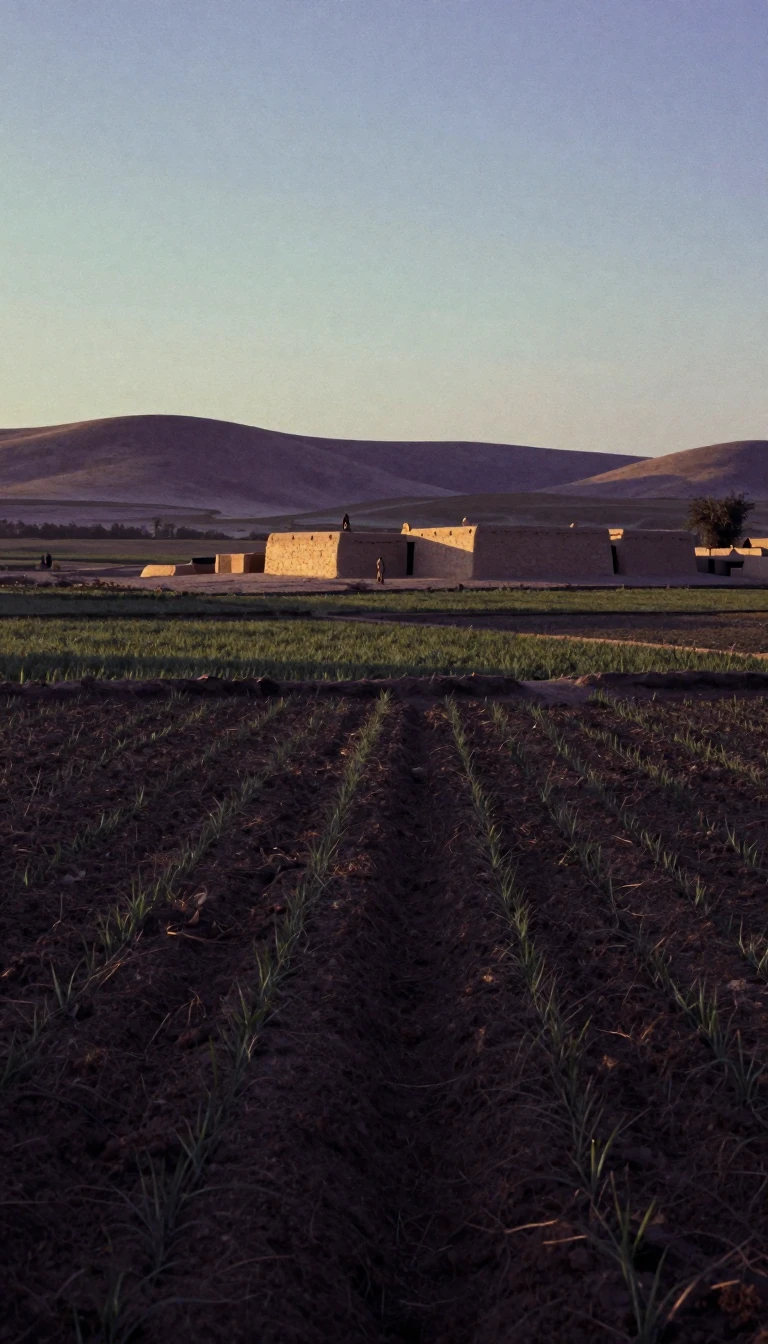
In short: Zaza, spoken by millions across Turkey, sits at a complex linguistic crossroads. While some scholars view it as a distinct Northwestern Iranian language, others see it as a potential survivor of the ancient Parthian tongue. As political shifts and language bans threaten its survival, Zaza remains a vital piece of Anatolian history.
The classification of Zaza is a subject of intense linguistic debate. While Ethnologue places it within a Zaza-Gorani subgroup, other authorities like Glottolog and SIL International categorize it as a macrolanguage composed of two distinct languages: Northern and Southern Zaza. This distinction is further complicated by sectarian lines; the northern variety is spoken by Alevi Zazas, the southern by Hanafi Zazas, and the central by Shafi Zazas. These variations are most evident in their phonology and morphology, with the southern variety often exhibiting a more conservative or archaic structure.
The language's history is deeply intertwined with the shifting political landscape of Turkey. From the mid-1920s until 1991, Turkish laws banned the use of Kurdish languages, including Zazaki, in public or in print. This period of suppression, combined with recent political instability, has contributed to a decline in speakers, leading UNESCO to classify Zaza as a 'vulnerable' language in 2010. Many speakers have migrated to countries like Germany, Sweden, and the United States, while younger generations increasingly shift toward Turkish.
Despite these challenges, Zaza has seen a literary resurgence. After decades of restricted publication, the lifting of bans in 1991 allowed for a surge in Zaza literature, with 43 books published between 1991 and 2000 alone. By 2018, the number of published books had reached at least 332. Today, efforts to preserve the language continue through academic departments at Munzur and Bingöl Universities, as well as through media like TRT Kurdî.
Opens the Intellect+ feed with this card first. Swipe up for the next one.
Sources
- Summary by Intellect · source: Zaza language
To cite this card, link to https://intellectplus.co.uk/app/culture-zaza-language.
How we source, check and correct cards: Editorial standards.
General information, not professional advice. Spotted an error? Flag the card or see corrections and complaints.
Intellect Plus is a visual educational discovery platform for exploring fascinating facts and ideas. Brain Food, Not Brain Rot. What is Intellect Plus?
Related
More in Peoples & civilisations · More in Cultures · Latest · A–Z · All topics
