A modernist house, a 1970s concept, and a 1-square-meter sunroof
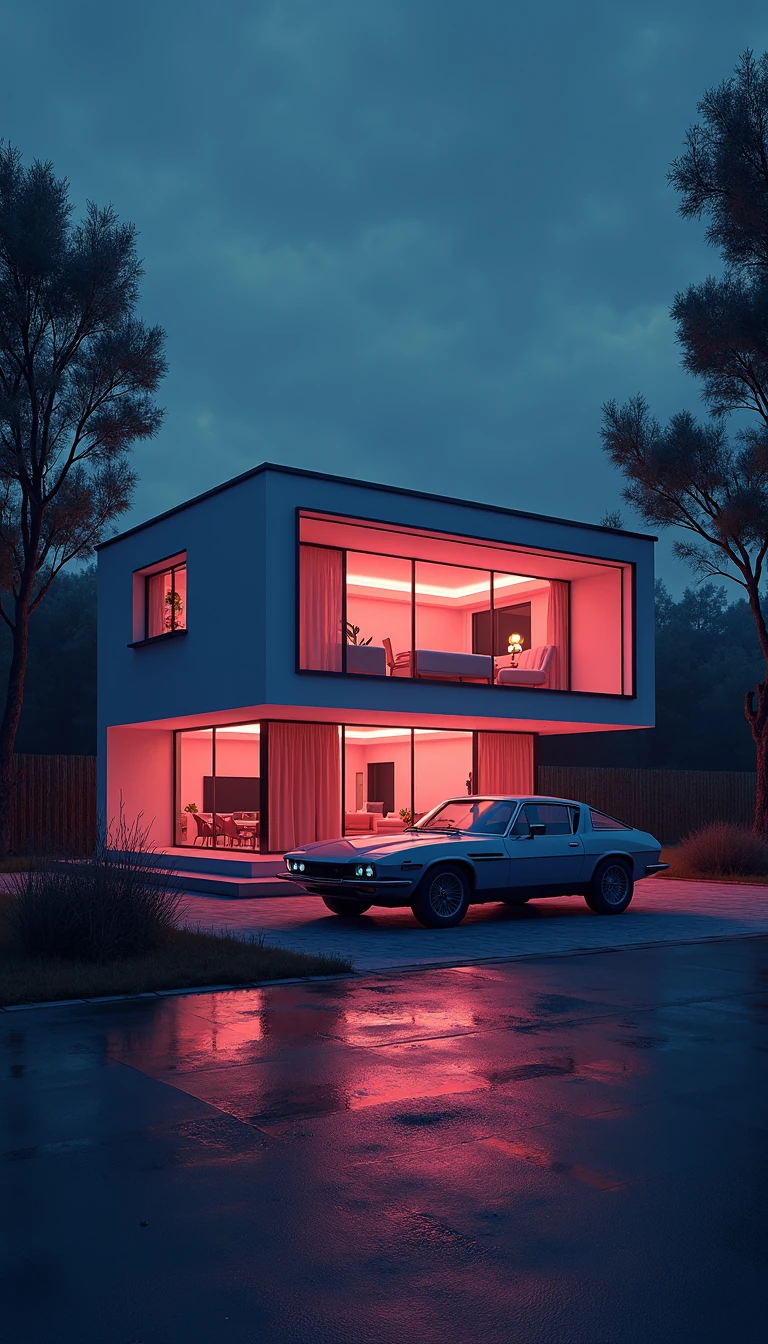
In short: The Fiat 500L was more than a practical mini MPV; it was a deliberate architectural exercise. By blending 1930s modernist aesthetics with a 1979 concept car, Fiat created a vehicle that prioritizes interior volume, featuring a massive panoramic roof and a reconfigurable layout designed to maximize every available inch.
The 500L's design bridges three eras. Inspired by Le Corbusier's Villa Savoye, it features a 'layered' motif and a 1 square metre (10.8 sq ft) panoramic roof—the largest in its category. It draws from the 1979 Lancia Megagamma concept, utilising a 'cab forward' architecture to maximise volume. Built on a modified 'Small' platform, it was the first production vehicle with polycarbonate windows on the rear pillar. These choices provide a 90 percent visibility field, 3,429 L (121.1 cu ft) of interior volume, and a 0.30 drag coefficient.
The vehicle was marketed under the themes of "Large, Light, and Loft." "Large" referred to its MPV capacity within a compact 4.1-meter footprint; "Light" described its eco-footprint; and "Loft" highlighted the expansive interior. To maximize this "Loft," the 500L featured a reconfigurable "Cargo Magic Space" system. This included a three-level rear cargo floor panel, a fold-flat front passenger seat, and rear seating that could recline, slide, fold, and tumble to prioritize either passengers or cargo.
While it served as a practical replacement for the Fiat Idea and Lancia Musa, the 500L also carried luxury and novelty features. It was the first production car to offer an optional in-vehicle espresso machine. Its engineering also featured Koni Frequency Selective Damping (FSD) Technology, which used mechanical rather than electronic systems to filter out high-frequency road inputs. From its 2012 debut at the Geneva Auto Show to its 2022 production end, the 500L functioned as a study in how high-volume interior design can coexist with compact exterior dimensions.
The 500L was manufactured by Fiat Serbia at the Kragujevac plant, a joint venture between Fiat Chrysler Automobiles and the Republic of Serbia. The facility underwent a €1B upgrade between 2010 and 2012 to prepare for the 500L's production, which began in May 2012. While the car was marketed globally, approximately 90% of the units produced in Serbia were exported via the port of Bar, Montenegro.
The 500L was initially intended for the North American market as a seven-seater, but that variant—the 500L Living—was ultimately only marketed in Europe. In North America, the 500L was discontinued after the 2020 model year. The vehicle's naming convention also pays homage to the original 1957 Fiat 500, with the suffix "L" denoting "large," "light," and "loft."
Opens the Intellect+ feed with this card first. Swipe up for the next one.
Sources
- Summary by Intellect · source: Fiat 500L
To cite this card, link to https://intellectplus.co.uk/app/design-fiat-500l.
How we source, check and correct cards: Editorial standards.
General information, not professional advice. Spotted an error? Flag the card or see corrections and complaints.
Intellect Plus is a visual educational discovery platform for exploring fascinating facts and ideas. Brain Food, Not Brain Rot. What is Intellect Plus?
Related
More in Car design · More in Design · Latest · A–Z · All topics
