Why a star-studded 1969 Western became a chaotic, high-stakes production nightmare in Spain
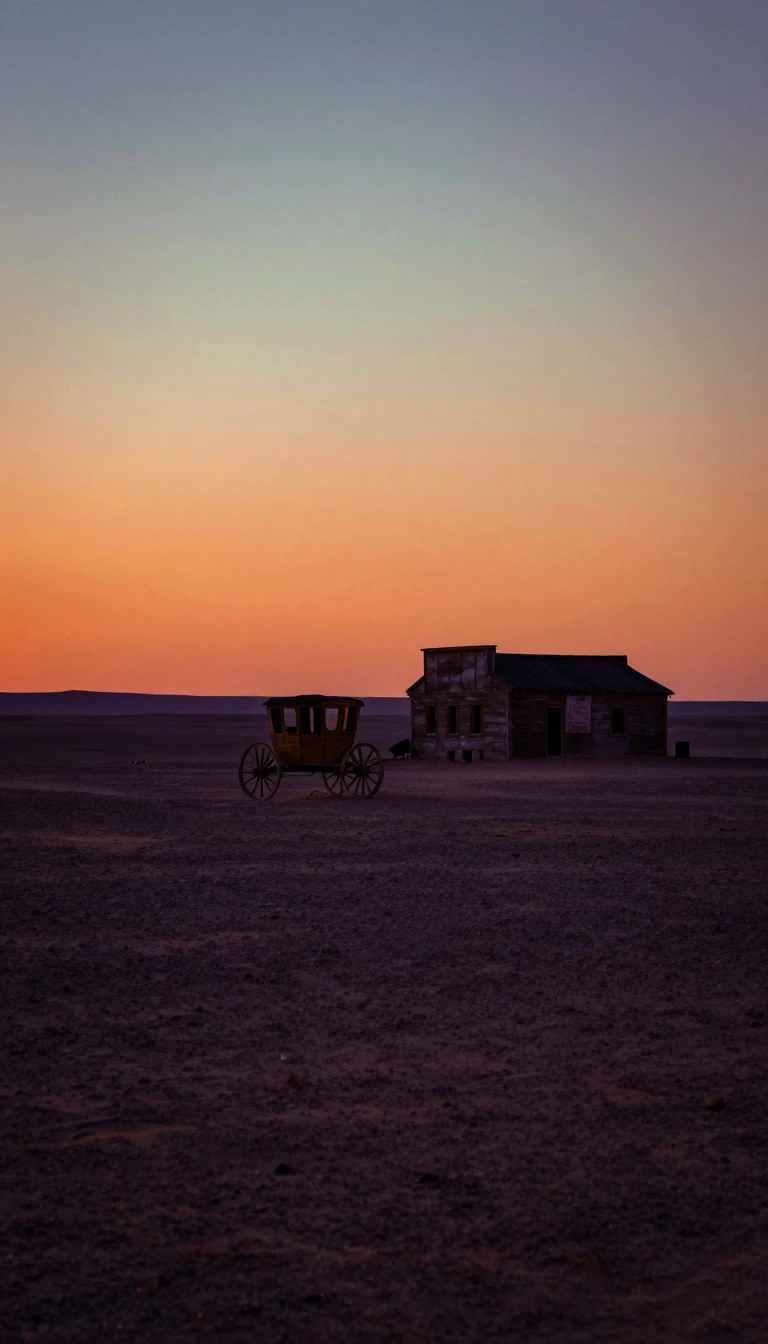
In short: The 1969 Western 100 Rifles promised a powerhouse trio in Jim Brown, Raquel Welch, and Burt Reynolds. Yet, behind the scenes, the production was plagued by intense heat, clashing egos, and a director hospitalized with typhus. What was meant to be a groundbreaking film became a legendary, messy Hollywood cautionary tale.
Directed by Tom Gries, 1969's 100 Rifles was filmed in Almería, Spain, to cut costs. The plot follows an Arizona lawman, Lyedecker, who pursues a bank robber named Yaqui Joe into Mexico, only to become entangled in a revolutionary struggle for the Yaqui people. While the film aimed to break social taboos—specifically through Jim Brown’s portrayal of a strong Black lawman—the production was defined more by its internal friction than its progressive ambitions.
The atmosphere on set was famously volatile. Burt Reynolds, who played the half-Yaqui Joe, spent much of the shoot acting as a mediator between Brown and Welch. Reports of tension were rampant, fueled by the extreme 110-degree desert heat and mutual suspicion between the leads. Welch later described feeling like the "baloney in a cheesecake factory," noting her discomfort with the director’s insistence on filming intimate scenes on the very first day. Brown, meanwhile, sought to maintain a professional distance to avoid any suggestion of impropriety, further complicating the interpersonal dynamics.
The film’s technical execution also faced hurdles. Gries was hospitalized with typhus for three days, and the script underwent significant changes; original writer Clair Huffaker was so dissatisfied with the final product that he requested his name be removed. Despite the star power, the film was a financial disappointment for 20th Century Fox. While it required $8,225,000 in rentals to break even, it had only generated $6,900,000 by December 1970. Critics were equally harsh, with Quentin Tarantino later lamenting the project as a "shamefully wasted opportunity."
Ultimately, 100 Rifles remains a curious artifact of 1960s cinema. It attempted to blend action-heavy revolutionary themes with the star-driven conventions of the era, yet it struggled to reconcile its disparate parts. Whether viewed as a failed experiment or a fascinating look at the pressures of mid-century filmmaking, the movie stands as a testament to how even the most promising projects can unravel under the weight of their own production realities.
Opens the Intellect+ feed with this card first. Swipe up for the next one.
Sources
- Summary by Intellect · source: 100 Rifles
- Also: Wikidata — 100 Rifles · CC0
To cite this card, link to https://intellectplus.co.uk/app/entertainment-100-rifles.
How we source, check and correct cards: Editorial standards.
General information, not professional advice. Spotted an error? Flag the card or see corrections and complaints.
Intellect Plus is a visual educational discovery platform for exploring fascinating facts and ideas. Brain Food, Not Brain Rot. What is Intellect Plus?
Related
More in Films · More in Entertainment · Latest · A–Z · All topics
