The 1962 epic How the West Was Won was a technical nightmare to film
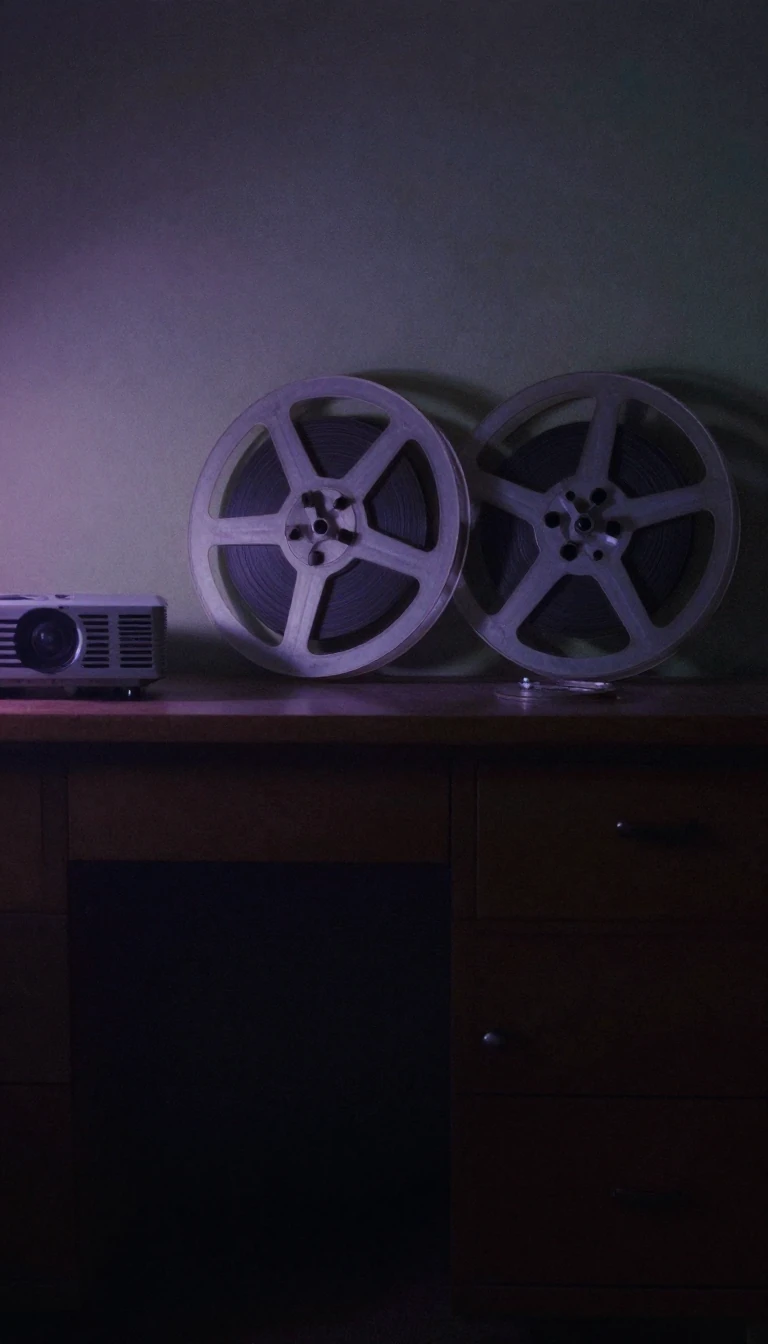
In short: Filmed in the ambitious three-lens Cinerama process, this Hollywood classic required actors to perform out of sync to accommodate a massive, curved screen. While it became a massive box office success, the production was plagued by budget overruns, injuries, and the logistical impossibility of capturing intimate human drama on camera.
Released in 1962, How the West Was Won was an ambitious attempt by MGM to replicate the success of Ben-Hur. The film utilized the three-strip Cinerama process, which projected images onto a massive, curved screen. This technical choice forced directors Henry Hathaway, John Ford, and George Marshall to abandon traditional framing; because the camera captured such a wide view, actors often had to be positioned in ways that felt unnatural, making eye contact impossible until the final projection.
The production was notoriously difficult. Director Henry Hathaway described the process as 'goddam trouble,' noting that the wide-angle lenses made close-ups nearly impossible. The film’s budget ballooned from an initial estimate of at least $8 million to a final cost of $12 million. During the filming of the 'Outlaws' segment, stuntman Bob Morgan suffered a life-altering injury when a chain holding logs on a train car snapped, crushing him and resulting in the loss of his leg.
Despite these challenges, the film was a massive commercial hit, grossing $50 million. It featured an ensemble cast of Hollywood icons, including James Stewart, John Wayne, and Debbie Reynolds. The narrative spanned three generations of a single family, bridging the 1830s migration through the taming of the Wild West. In 1997, the Library of Congress selected the film for preservation in the National Film Registry, cementing its status as a significant piece of American cinematic history.
The film's legacy is also tied to its technical limitations. Because it was designed for a specific curved format, modern attempts to view it on smaller, flat screens often render the actors indistinguishable in long shots. Furthermore, the film relied on creative shortcuts, such as incorporating combat footage from the 1957 film Raintree County to supplement night-time battle sequences, highlighting the immense difficulty of capturing the vastness of the American frontier on a single set.
Opens the Intellect+ feed with this card first. Swipe up for the next one.
Sources
- Summary by Intellect · source: How the West Was Won (film)
To cite this card, link to https://intellectplus.co.uk/app/entertainment-how-the-west-was-won-film.
How we source, check and correct cards: Editorial standards.
General information, not professional advice. Spotted an error? Flag the card or see corrections and complaints.
Intellect Plus is a visual educational discovery platform for exploring fascinating facts and ideas. Brain Food, Not Brain Rot. What is Intellect Plus?
Related
More in Films · More in Entertainment · Latest · A–Z · All topics
