A cult classic born from a director's hijacked vision
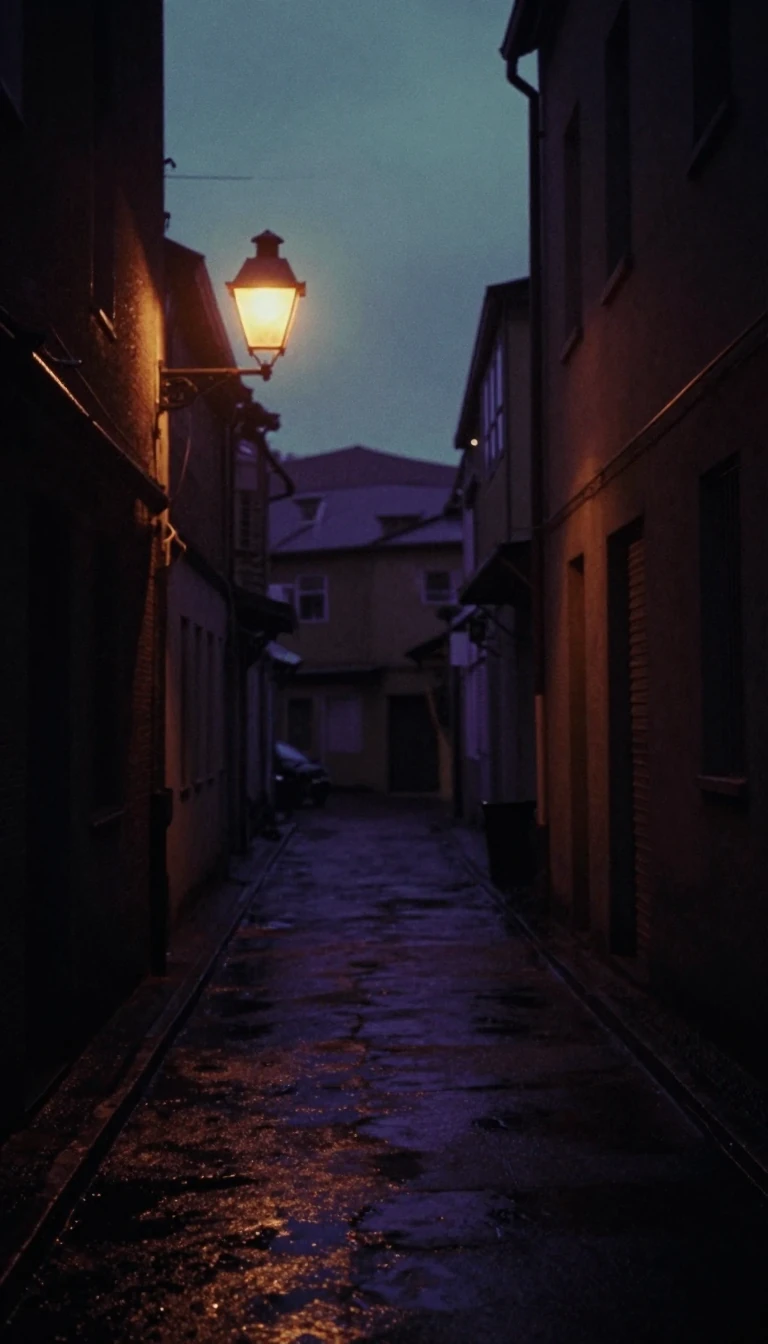
In short: In 1987, a film became a forbidden masterpiece in mainland China, circulating only through smuggled tapes. It wasn't just a ghost story; it was a surreal blend of xianxia fantasy and romantic tragedy that captured the hearts of an entire generation, eventually becoming a cornerstone of modern Hong Kong cinema.
The film's production was a chaotic exercise in creative compromise. Producer Tsui Hark originally envisioned a television series in 1978, but it was rejected for being unsuitable for TV. When the film was finally greenlit, Tsui's bosses wanted a story about a female police officer, unaware of the period setting or the source material. Director Ching Siu-tung, meanwhile, was hesitant to make a romance, preferring horror elements. This tension resulted in a unique 'half-serious' tone that critics argue is the primary reason for its enduring cult status.
The narrative draws from 17th-century folklore, specifically Pu Songling's 'Strange Tales from a Chinese Studio.' It follows Ning Caichen, a debt collector who falls in love with the ghost Nie Xiaoqian. To save her from a Tree Demoness, Ning must navigate a world of Taoist priests and portals to the Underworld. The film's visual identity was shaped by the Cinefex Workshop, where technician Man Xian Liang taught himself stop-motion animation to create practical effects like a giant slithering tongue and zombies.
Despite its success in Hong Kong and international awards in France and Portugal, the film faced a complex journey in mainland China. It became a cult phenomenon among the 'post-80s' generation through pirated VCDs and smuggled tapes before receiving an official remastered screening in 2011. For these viewers, the film represents a mix of idealism and rebellion. Its legacy is cemented by its high rankings in 'Best Chinese Motion Picture' lists and its influence on the folklore ghost film trend in Hong Kong.
The film's impact was immediate and wide-reaching. It boosted Joey Wong's stardom, increased Leslie Cheung's popularity in Japan, and sparked a series of sequels and remakes. Even decades later, its cultural weight remains high; a 4K restoration in 2025 earned 10 million RMB in its first week in China. It remains a study in how a 'hijacked' production can transcend its original brief to create a distinct, ritualized movie mythos.
Opens the Intellect+ feed with this card first. Swipe up for the next one.
Sources
- Summary by Intellect · source: A Chinese Ghost Story
- Also: Wikidata — A Chinese Ghost Story · CC0
- Also: Wikidata — A Chinese Ghost Story · CC0
To cite this card, link to https://intellectplus.co.uk/app/entertainment-a-chinese-ghost-story.
How we source, check and correct cards: Editorial standards.
General information, not professional advice. Spotted an error? Flag the card or see corrections and complaints.
Intellect Plus is a visual educational discovery platform for exploring fascinating facts and ideas. Brain Food, Not Brain Rot. What is Intellect Plus?
Related
More in Films · More in Entertainment · Latest · A–Z · All topics
