Why did one man's silence trigger the wrath of King Henry VIII?
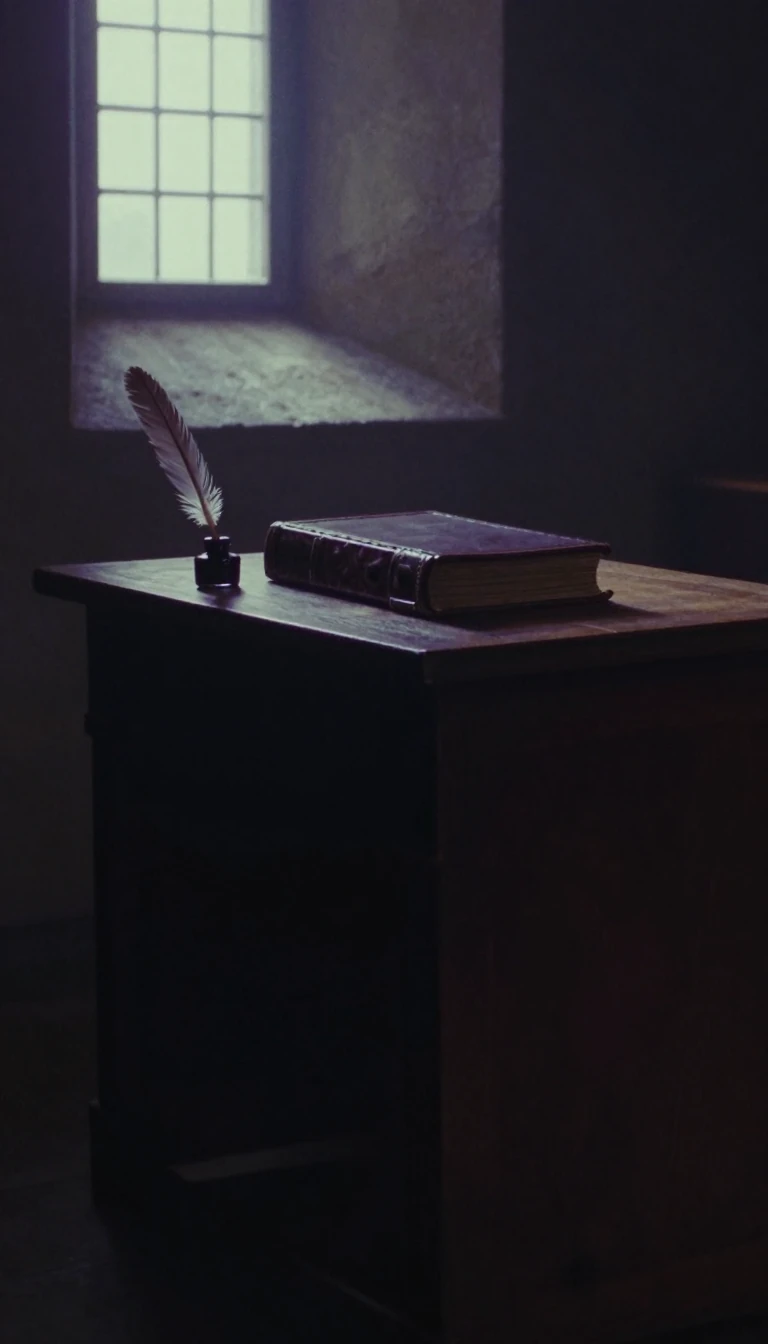
In short: In 1966, Fred Zinnemann’s masterpiece brought the tragic defiance of Sir Thomas More to the screen. As Henry VIII sought to break with Rome to annul his marriage, More’s refusal to compromise his conscience became a fatal act of resistance, immortalized in a film that swept the Academy Awards.
The 1966 film A Man for All Seasons, directed by Fred Zinnemann and adapted by Robert Bolt from his own play, chronicles the final years of Sir Thomas More. Set between 1529 and 1535, the narrative focuses on More’s struggle as Lord Chancellor of England during the reign of Henry VIII. The King, desperate for a male heir, sought to annul his marriage to Catherine of Aragon. When the Pope refused, Henry moved to declare himself Supreme Head of the Church of England, a shift that More could not reconcile with his religious convictions.
Paul Scofield, who originated the role in the West End, delivered an Academy Award-winning performance as More. The film depicts More’s quiet, steadfast resistance—not through open rebellion, but through silence. He refused to sign the Oath of Supremacy, which would have legitimized the King’s new religious authority. The tension escalates as Thomas Cromwell, the King’s ambitious Principal Secretary, orchestrates a series of interrogations and legal traps. Despite threats, bribes, and the eventual confiscation of his books, More maintained his position, knowing that his silence was his only legal defense against charges of high treason.
The title, borrowed from a 1520 description by Robert Whittington, captures More’s reputation as a man of singular learning and integrity. The film’s success was immense, winning six Academy Awards, including Best Picture and Best Director. Beyond its historical depiction, the work remains a profound exploration of the cost of personal conscience. By refusing to betray his principles, More ultimately faced execution, leaving behind a legacy that continues to be studied for its examination of the intersection between political power and individual moral duty.
Opens the Intellect+ feed with this card first. Swipe up for the next one.
Sources
- Summary by Intellect · source: A Man for All Seasons | film by Zinnemann [1966] | Britannica
- Also: A Man for All Seasons (1966 film)
To cite this card, link to https://intellectplus.co.uk/app/entertainment-a-man-for-all-seasons-1966-film.
How we source, check and correct cards: Editorial standards.
General information, not professional advice. Spotted an error? Flag the card or see corrections and complaints.
Intellect Plus is a visual educational discovery platform for exploring fascinating facts and ideas. Brain Food, Not Brain Rot. What is Intellect Plus?
Related
More in Films · More in Entertainment · Latest · A–Z · All topics
