Why Seth MacFarlane turned the harsh reality of the Wild West into a comedy
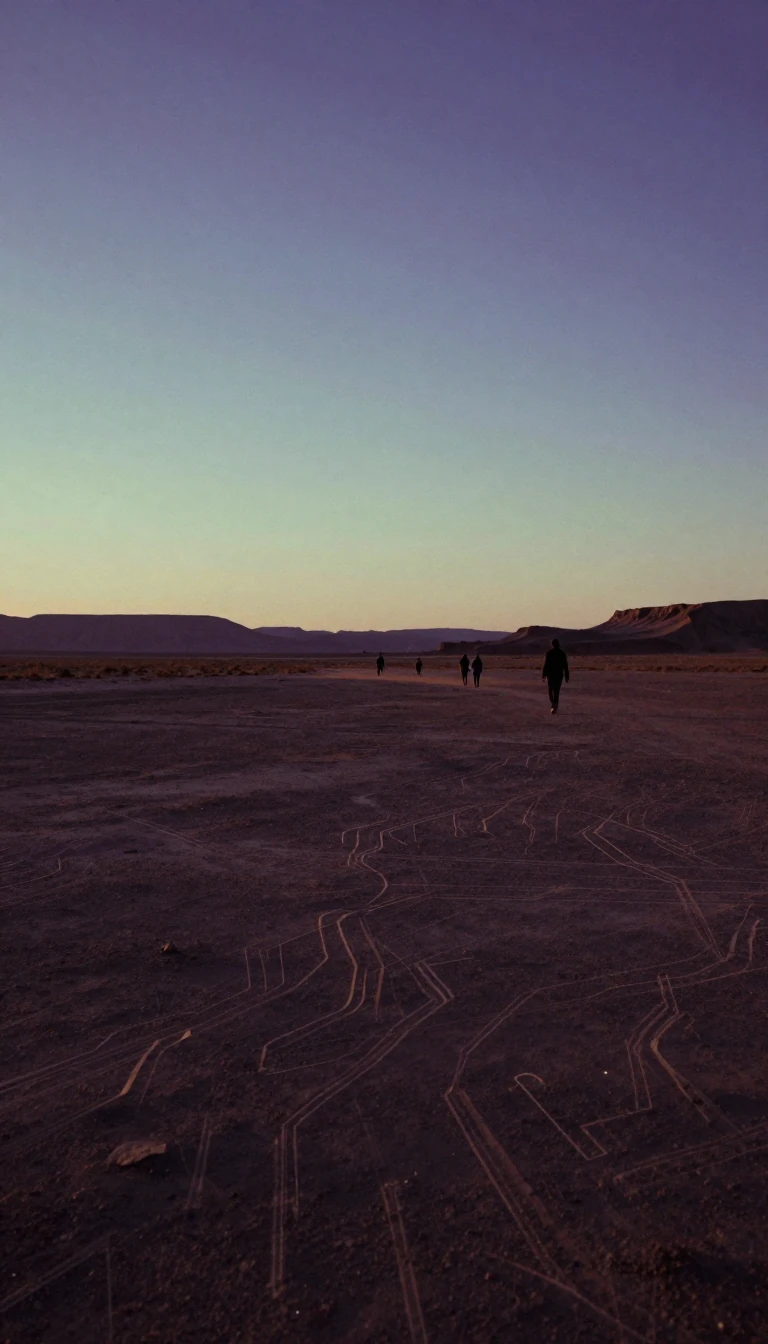
In short: Born from an inside joke while watching classic westerns, this 2014 film attempts to reconcile the brutal, dangerous nature of frontier life with modern humor. Despite a star-studded cast and a significant budget, the production faced harsh criticism for its uneven tone and reliance on crude, scattershot comedic tropes.
The project began as a casual conversation between Seth MacFarlane and his collaborators, Alec Sulkin and Wellesley Wild, during the production of the 2012 film Ted. While viewing older western movies, the trio started riffing on the idea that life in the nineteenth-century frontier was likely far more dull, perilous, and depressing than cinema typically portrayed. MacFarlane, a dedicated fan of the genre, conducted extensive research to ground the film's various depictions of mortality in historical reality, citing Jeff Guinn's nonfiction work, The Last Gunfight, as a primary resource for the film's specific hazards.
Filming took place in New Mexico throughout the summer of 2013, spanning from May to August. The production was notably difficult, with the cast and crew enduring extreme weather conditions ranging from intense heat to arctic winds and severe hailstorms. The film features an ensemble cast including Charlize Theron, Amanda Seyfried, and Liam Neeson, who famously insisted on keeping his native Irish accent for his role as the antagonist, Clinch Leatherwood. MacFarlane also wrote a novelization of the script during his weekends on set, partly to alleviate the boredom of the long shooting schedule.
Upon its release in May 2014, the film struggled to meet commercial expectations. While it grossed approximately $86.4 million worldwide against a $40 million budget, its opening weekend performance of $16.8 million fell short of the projected $26 million. Critical reception was largely negative, with many reviewers pointing to the film's excessive runtime and inconsistent humor. Critics like Michael Phillips and Joe Morgenstern argued that the project suffered from a lack of directorial craft and a script that relied too heavily on toilet humor rather than cohesive storytelling. Despite these mixed reviews, the film remains a notable example of MacFarlane’s attempt to blend traditional western aesthetics with his signature brand of contemporary, often irreverent, comedy.
Opens the Intellect+ feed with this card first. Swipe up for the next one.
Sources
- Summary by Intellect · source: A Million Ways to Die in the West
To cite this card, link to https://intellectplus.co.uk/app/entertainment-a-million-ways-to-die-in-the-west.
How we source, check and correct cards: Editorial standards.
General information, not professional advice. Spotted an error? Flag the card or see corrections and complaints.
Intellect Plus is a visual educational discovery platform for exploring fascinating facts and ideas. Brain Food, Not Brain Rot. What is Intellect Plus?
Related
More in Films · More in Entertainment · Latest · A–Z · All topics
