When a heist film blurs the line between scripted drama and real-life confession
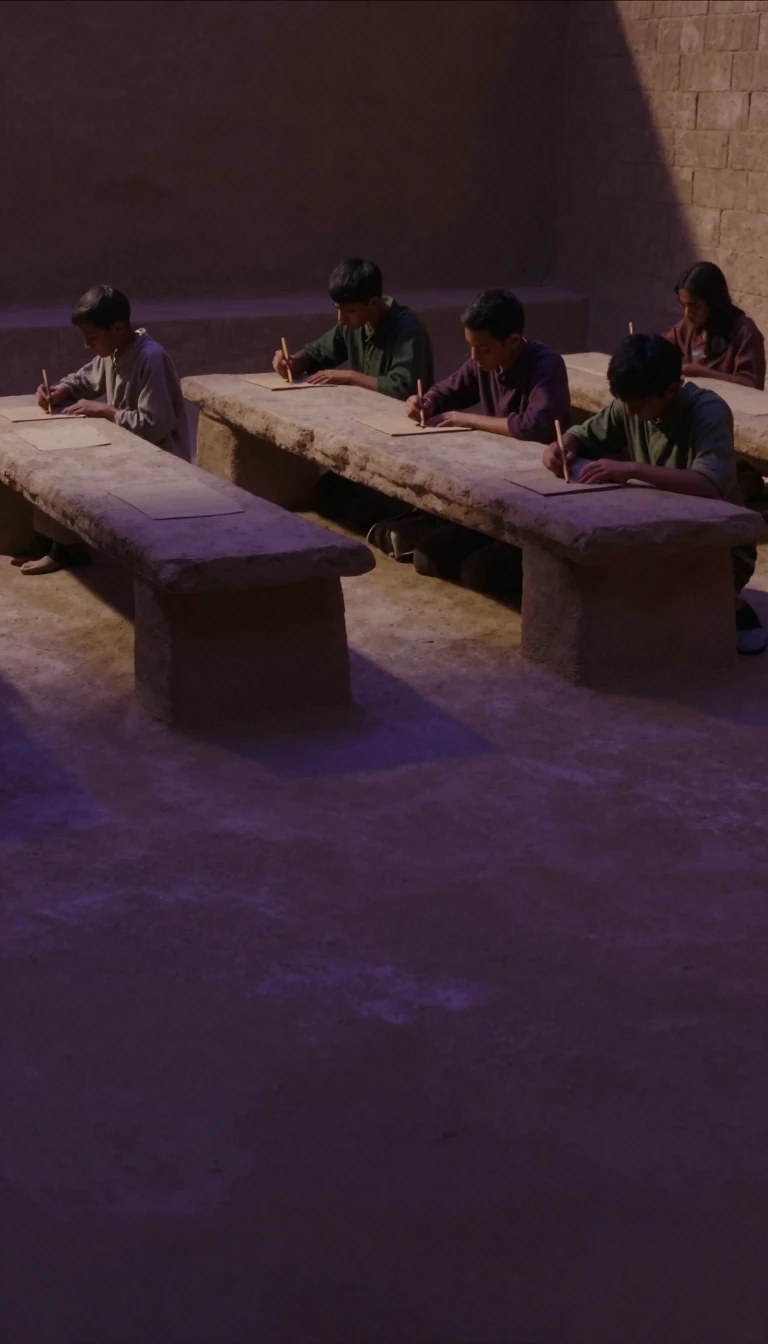
In short: In 2004, four college students attempted a high-stakes robbery at a Kentucky university library. Bart Layton’s 2018 film American Animals reconstructs this crime by weaving together dramatic reenactments and interviews with the actual perpetrators. It is a disorienting, stylish exploration of how memory, ego, and storytelling shape our perception of truth.
The film centers on the 2004 theft of rare volumes from Transylvania University in Lexington, Kentucky. Spencer Reinhard, an art student, and his friend Warren Lipka, an athlete, orchestrated the plot, eventually recruiting Eric Borsuk and Chas Allen to assist. Their target was a valuable first edition of a famous natural history work by John James Audubon, which they believed could be sold for millions after Lipka claimed to have secured interest from black-market buyers in Amsterdam.
Layton’s directorial approach is unconventional, frequently cutting between actors portraying the thieves and the real-life participants reflecting on their actions years after their prison sentences. This structure highlights the unreliability of memory; at times, the film presents conflicting versions of the same scene to illustrate how the participants’ accounts diverge. The title itself is a nod to a passage in Charles Darwin’s On the Origin of Species regarding cave-dwelling creatures, a reference that underscores the themes of isolation and misguided ambition.
Critics praised the film for its ethical handling of the subject matter, noting that it avoids glorifying the thieves' entitlement. Instead, it functions as a psychological study of young men driven by a desire for excitement or significance. The production, which began filming in February 2017, features the real-life thieves and their family members, adding a layer of raw, documentary-style intimacy. By forcing the audience to navigate these overlapping narratives, the film challenges viewers to question the nature of storytelling itself.
The project was a critical success, earning accolades such as the Junior Jury Award at the Montclair Film Festival and recognition from the British Independent Film Awards. While it performed modestly at the box office, its unique fusion of genres—described by some as a labyrinthine, Escher-esque experience—remains a standout example of modern true-crime filmmaking that prioritizes the complexity of human regret over simple narrative satisfaction.
Opens the Intellect+ feed with this card first. Swipe up for the next one.
Sources
- Summary by Intellect · source: American Animals
- Also: Wikidata — American Animals · CC0
To cite this card, link to https://intellectplus.co.uk/app/entertainment-american-animals.
How we source, check and correct cards: Editorial standards.
General information, not professional advice. Spotted an error? Flag the card or see corrections and complaints.
Intellect Plus is a visual educational discovery platform for exploring fascinating facts and ideas. Brain Food, Not Brain Rot. What is Intellect Plus?
Related
More in Films · More in Entertainment · Latest · A–Z · All topics
