Can a single voice pierce the silence of the Vatican during the Holocaust?
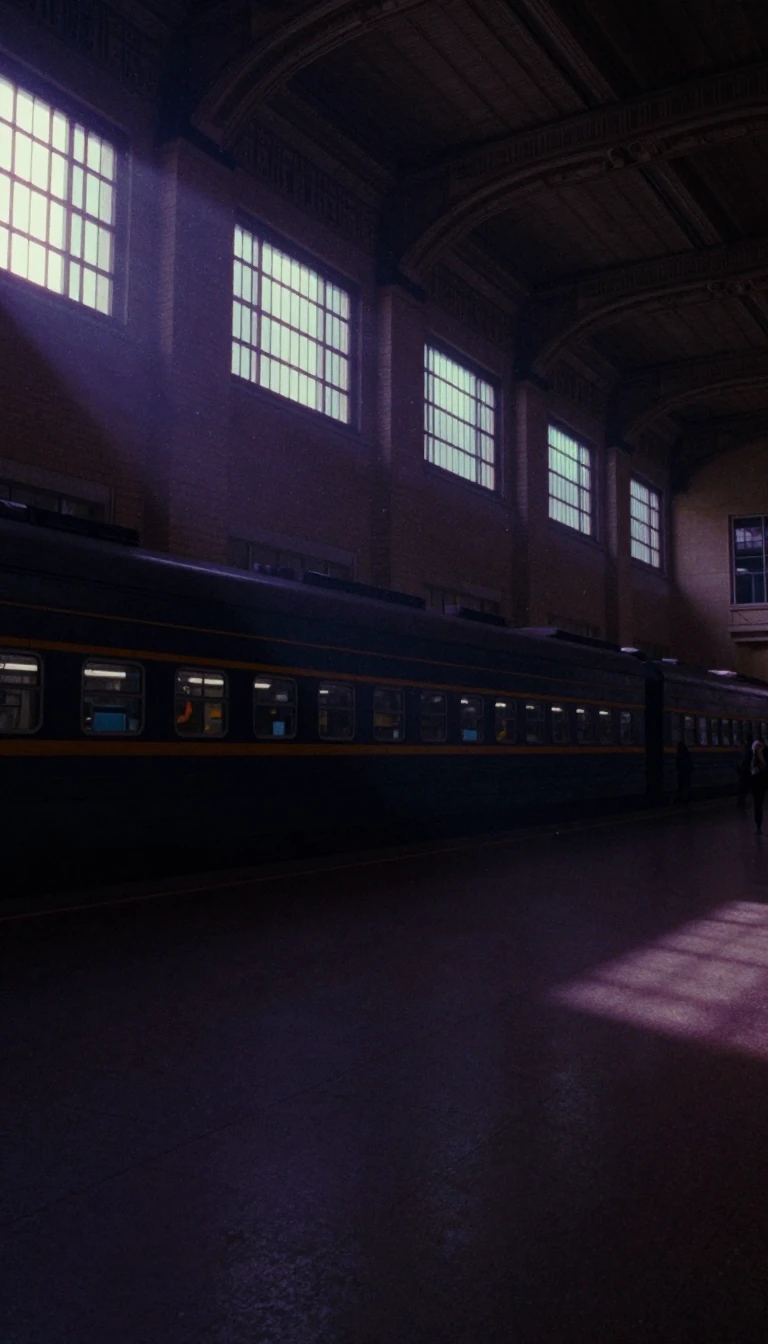
In short: Costa-Gavras’s 2002 drama Amen. explores the harrowing true-life account of Kurt Gerstein, a Waffen-SS officer who discovers his work is fueling Nazi death camps. As he desperately seeks intervention from Pope Pius XII, he finds only bureaucratic indifference, sparking a tragic moral collision between conscience and institutional silence.
Released in 2002, Amen. is a historical war drama directed by Costa-Gavras and co-written with Jean-Claude Grumberg. The film is a cinematic adaptation of Rolf Hochhuth’s controversial 1963 play, The Deputy. By dramatizing the relationship between the Vatican and Nazi Germany, the narrative centers on Kurt Gerstein, an SS officer who develops Zyklon B for water purification, only to realize it is being repurposed for mass extermination. His attempts to alert the Catholic hierarchy lead him to Riccardo Fontana, a Jesuit priest who becomes his ally in a futile quest to force the Pope to publicly condemn the atrocities.
The film’s portrayal of Pope Pius XII remains its most contentious element, echoing the intense backlash that greeted Hochhuth’s original play. In the story, the Pope refuses to intervene against the deportation of Italian Jews, fearing that a public stance would endanger Christians living under Nazi occupation. This refusal drives Fontana to a desperate act of solidarity: he dons a yellow star and joins the deportees, eventually meeting his death in a camp crematorium. The film contrasts this moral martyrdom with the survival of the camp’s doctor, who later seeks the Vatican’s assistance to escape to Argentina.
Production of the film was a multinational effort involving French, German, and Romanian studios. Because the Holy See denied permission to film within the Vatican, the production team utilized the Palace of the Parliament in Bucharest to recreate the papal interiors. Upon its release, the film received a mixed critical reception, holding a 67% approval rating on Rotten Tomatoes and a 57 score on Metacritic. While some critics noted that the deliberate pacing and long runtime hindered its emotional impact, the performances—particularly that of Ulrich Tukur—were widely praised for grounding the film’s heavy, historical themes in human reality.
Opens the Intellect+ feed with this card first. Swipe up for the next one.
Sources
- Summary by Intellect · source: Amen.
- Also: Wikidata — Amen. · CC0
- Also: Wikidata — Amen · CC0
To cite this card, link to https://intellectplus.co.uk/app/entertainment-amen.
How we source, check and correct cards: Editorial standards.
General information, not professional advice. Spotted an error? Flag the card or see corrections and complaints.
Intellect Plus is a visual educational discovery platform for exploring fascinating facts and ideas. Brain Food, Not Brain Rot. What is Intellect Plus?
Related
More in Films · More in Entertainment · Latest · A–Z · All topics
