A Soviet masterpiece uses submachine guns to tell an ancient tale of love
In short: Released in 1988, Ashik Kerib stands as the final completed work by director Sergei Parajanov. This visually arresting film blends Azerbaijani folklore with jarring anachronisms, such as modern cameras and weaponry, to recount a minstrel's quest for wealth and the hand of his beloved after a thousand-day separation.
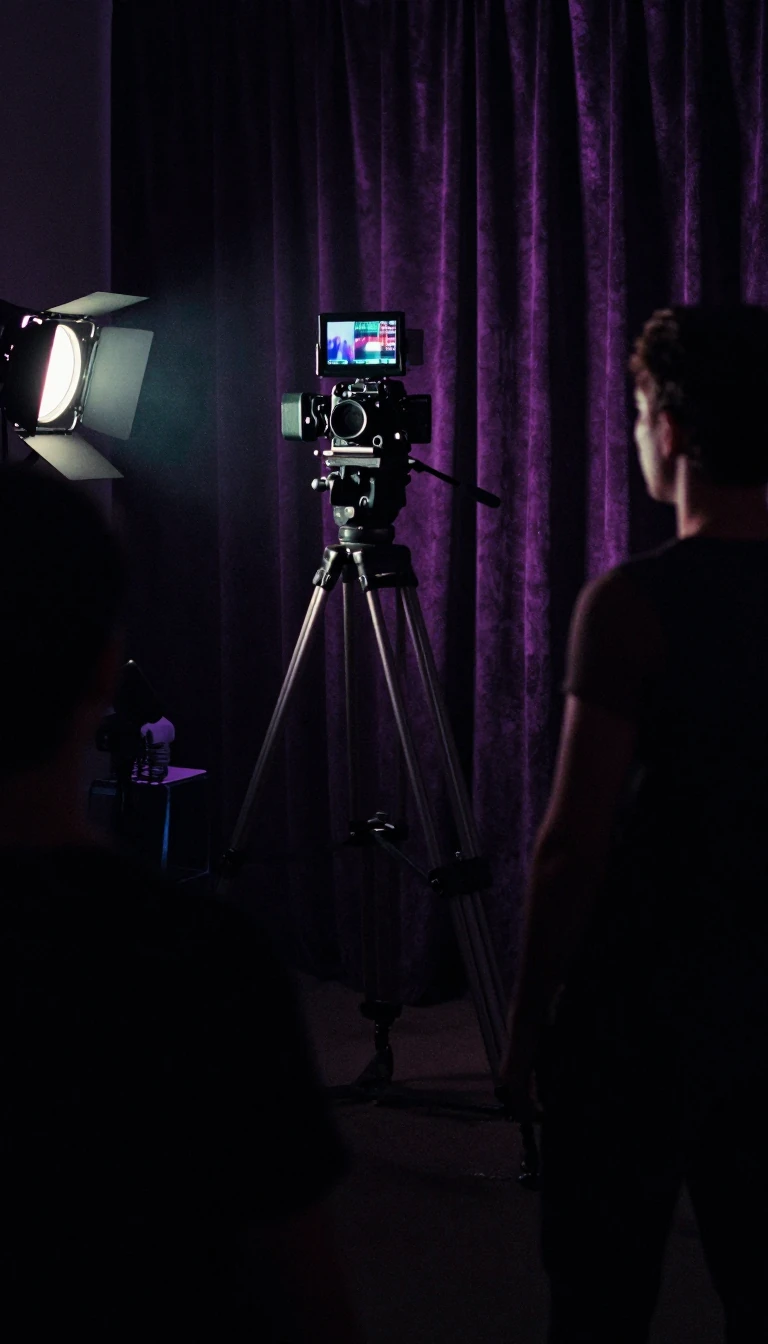
The film follows a poor minstrel who seeks to marry a woman whose father demands a wealthy suitor. She pledges to wait for him for one thousand days, and on the 1001st day, the minstrel returns with the fortune he earned during his arduous travels, aided by a mysterious, saintly horseman. While the narrative structure mirrors traditional Azerbaijani folklore, the directors, Dodo Abashidze and Parajanov, intentionally disrupted the period setting by incorporating modern items like submachine guns and film equipment.
Parajanov was known for his series of films that celebrated diverse cultural identities, having previously explored Ukrainian, Armenian, and Georgian traditions in his earlier works. Ashik Kerib serves as a continuation of this artistic project, focusing on the music, dance, clothing, and customs of Azerbaijan. The production is dedicated to the memory of Andrei Tarkovsky, a close friend of Parajanov who passed away in 1986.
The auditory experience is as carefully curated as the visual one. Composer Cavanşir Quliyev crafted a soundtrack that spans multiple genres, including electronic music, traditional ashugh compositions, and even a segment of Schubert's Ave Maria. The score features the vocal talents of Alim Qasimov, a renowned expert in Mugham, a complex musical form defined by its improvisational modal scales. This eclectic approach to sound underscores the film's unique, dreamlike atmosphere.
Critical reception was strong, with the film earning recognition at the 1988 Cahiers du Cinéma awards and the 1989 Istanbul International Film Festival. At the latter, the production secured awards for direction, production design, and live-action filmmaking. By stripping away conventional dialogue in favor of minimal narration and vibrant, symbolic imagery, the film functions less as a standard drama and more as a stylized, cultural tapestry that remains a significant achievement in Soviet cinema.
Opens the Intellect+ feed with this card first. Swipe up for the next one.
Sources
- Summary by Intellect · source: Ashik Kerib (film)
To cite this card, link to https://intellectplus.co.uk/app/entertainment-ashik-kerib-film.
How we source, check and correct cards: Editorial standards.
General information, not professional advice. Spotted an error? Flag the card or see corrections and complaints.
Intellect Plus is a visual educational discovery platform for exploring fascinating facts and ideas. Brain Food, Not Brain Rot. What is Intellect Plus?
Related
More in Films · More in Entertainment · Latest · A–Z · All topics
