A cinematic masterpiece born from fifteen years of Soviet censorship and surrealist vision
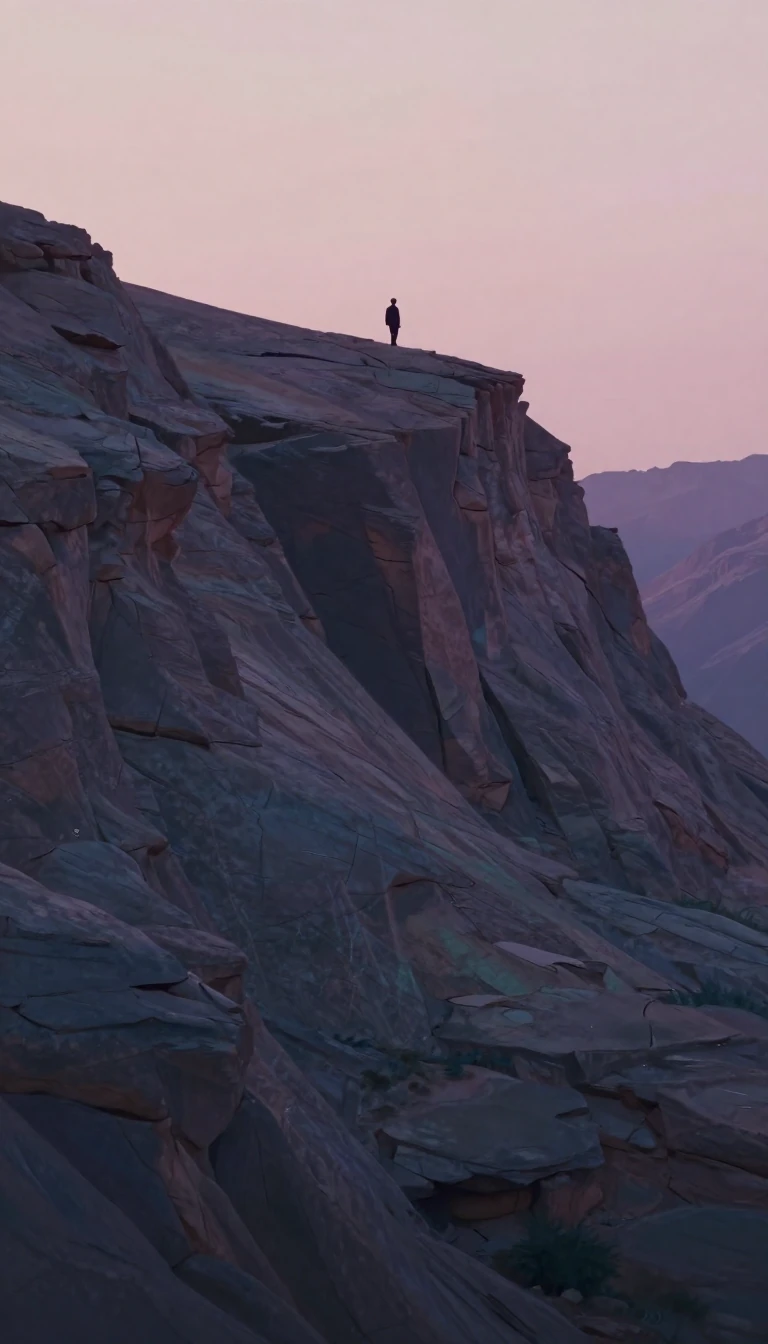
In short: After fifteen years of enforced silence, director Sergei Parajanov returned to filmmaking with a haunting, dreamlike adaptation of a Georgian folk legend. The Legend of Suram Fortress is not a traditional narrative, but a series of surreal tableaux that explore themes of sacrifice, identity, and the weight of history.
Released in 1985, The Legend of Suram Fortress marked a triumphant return for Sergei Parajanov, who co-directed the project with Dodo Abashidze. The film is deeply rooted in Georgian culture, drawing its narrative from a 19th-century literary retelling of a folk tale by Daniel Chonkadze. Stylistically, it serves as a spiritual successor to Parajanov's 1968 work, The Color of Pomegranates, favoring minimal dialogue and a visual language that feels more like a sequence of oneiric paintings than a standard motion picture.
The plot follows the life of Durmishkhan, a former serf who leaves his home to secure the freedom of his lover, Vardo. His path crosses with Osman Agha, a man who fled his own past after killing a cruel master and converting to Islam. As Durmishkhan eventually adopts a new life and faith, he becomes alienated from his homeland. The central conflict arises when Georgia faces invasion, and the crumbling Suram Fortress refuses to stand. Vardo, now a fortune teller, reveals a grim necessity: only by bricking a blue-eyed youth alive within the walls can the structure be saved.
The film’s climax centers on the sacrifice of Zurab, Durmishkhan’s son, who gives his life to protect his country and its Christian faith. This act of self-immolation for the collective good serves as the emotional anchor of the film. Despite the heavy themes, the work was celebrated internationally, winning the Caixa de Catalunya Award at the 1986 Sitges Film Festival, the Rotterdam Award in 1987, and the Critics Award at the 1987 São Paulo International Film Festival. Its enduring, eerie aesthetic continues to influence modern artists, including the black metal band Voidcraeft, who incorporated clips from the film into their music.
The film remains a testament to the power of visual storytelling in the face of political suppression. By stripping away the conventions of dialogue, Parajanov allows the viewer to inhabit a space where myth and reality blur, forcing an engagement with the brutal, beautiful logic of the legend itself.
Opens the Intellect+ feed with this card first. Swipe up for the next one.
Sources
- Summary by Intellect · source: The Legend of Suram Fortress
- Also: The Legend of Suram Fortress
To cite this card, link to https://intellectplus.co.uk/app/entertainment-the-legend-of-suram-fortress.
How we source, check and correct cards: Editorial standards.
General information, not professional advice. Spotted an error? Flag the card or see corrections and complaints.
Intellect Plus is a visual educational discovery platform for exploring fascinating facts and ideas. Brain Food, Not Brain Rot. What is Intellect Plus?
Related
More in Films · More in Entertainment · Latest · A–Z · All topics
