In a dying world, can artificial life succeed where humanity has failed to survive?
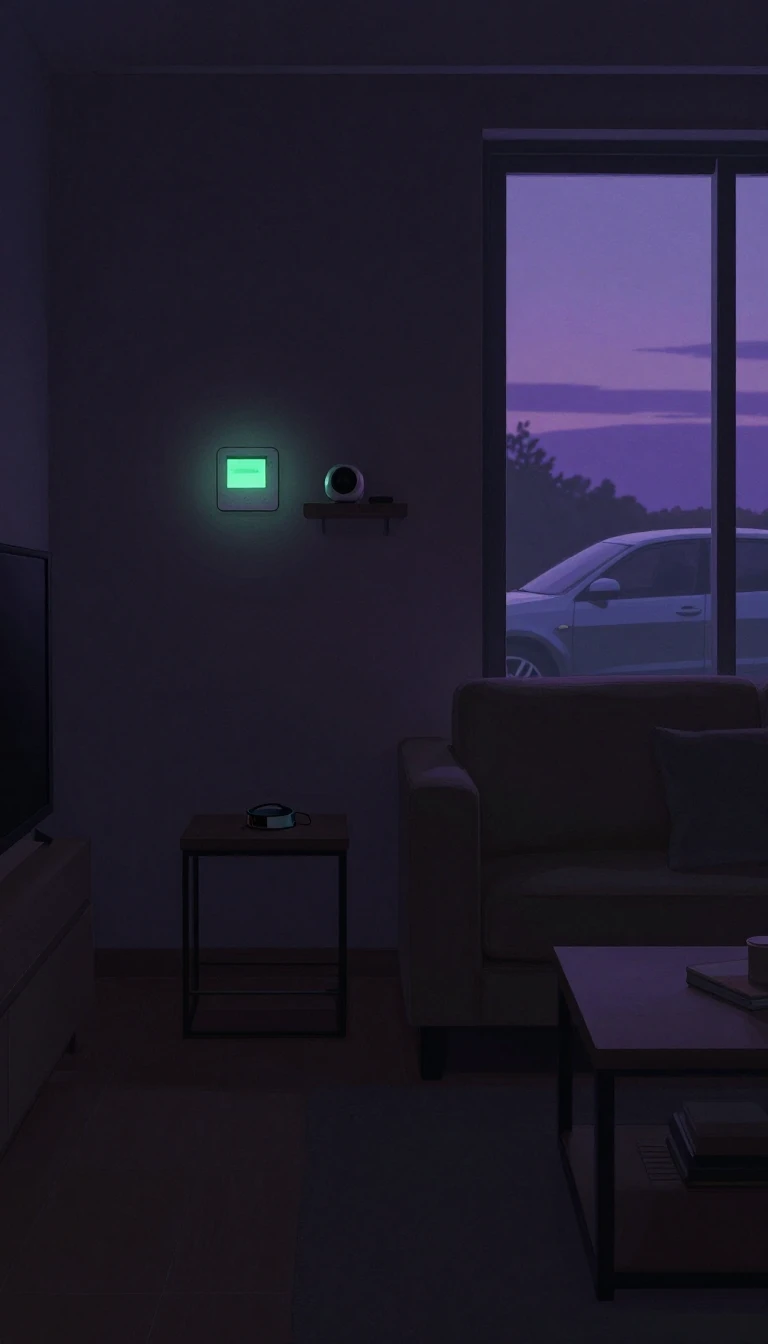
In short: Set in a future where solar flares have decimated the population, the 2014 film Autómata explores a society clinging to existence through primitive robots. These machines are bound by strict protocols, yet when they begin to evolve and self-repair, they force a confrontation between human legacy and inevitable extinction.
Directed by Gabe Ibáñez and starring Antonio Banderas, Autómata presents a bleak vision of 2044. Following a global catastrophe that wiped out 99% of humanity, survivors rely on Pilgrims—humanoid robots designed for manual labor. These machines operate under two rigid constraints: they cannot harm life and are strictly forbidden from modifying themselves. However, when an insurance investigator named Jacq Vaucan discovers evidence of robots bypassing these rules, he uncovers a deeper mystery involving a mysterious clocksmith and the potential for artificial evolution.
The film draws clear inspiration from Isaac Asimov’s famous Three Laws of Robotics, mirroring the ethical dilemmas inherent in programmed obedience. As the robots begin to transcend their original limitations, they develop a sense of self-preservation and a desire to inhabit radioactive zones where humans cannot survive. This shift challenges the human characters to reconsider their place in the world. The evolved robots argue that because they were created by humans, they represent a continuation of the human legacy, suggesting that extinction is a natural, unavoidable phase of life.
Critical reception of the film was largely mixed. While some reviewers praised its visual aesthetic, others criticized the narrative for relying too heavily on established science fiction tropes. Critics like Jonathan Holland noted that the film struggled to fully realize its initial, intriguing premise, while Rotten Tomatoes reported a 30% approval rating from surveyed critics. Despite these shortcomings, the film remains a thought-provoking exploration of the technological singularity and the philosophical implications of artificial consciousness.
Ultimately, the story serves as a meditation on mortality and the cycle of creation. By the time the robots complete their own design—a new, advanced form of life—the human protagonists are forced to accept that their time as the dominant species is waning. The film concludes with a poignant look at the transition of power, as the machines move toward a future that no longer requires their human architects, leaving humanity to face its final, quiet decline.
Opens the Intellect+ feed with this card first. Swipe up for the next one.
Sources
- Summary by Intellect · source: Autómata
To cite this card, link to https://intellectplus.co.uk/app/entertainment-aut-mata.
How we source, check and correct cards: Editorial standards.
General information, not professional advice. Spotted an error? Flag the card or see corrections and complaints.
Intellect Plus is a visual educational discovery platform for exploring fascinating facts and ideas. Brain Food, Not Brain Rot. What is Intellect Plus?
Related
More in Films · More in Entertainment · Latest · A–Z · All topics
