How Disney’s Belle was designed to break the mold of the passive princess
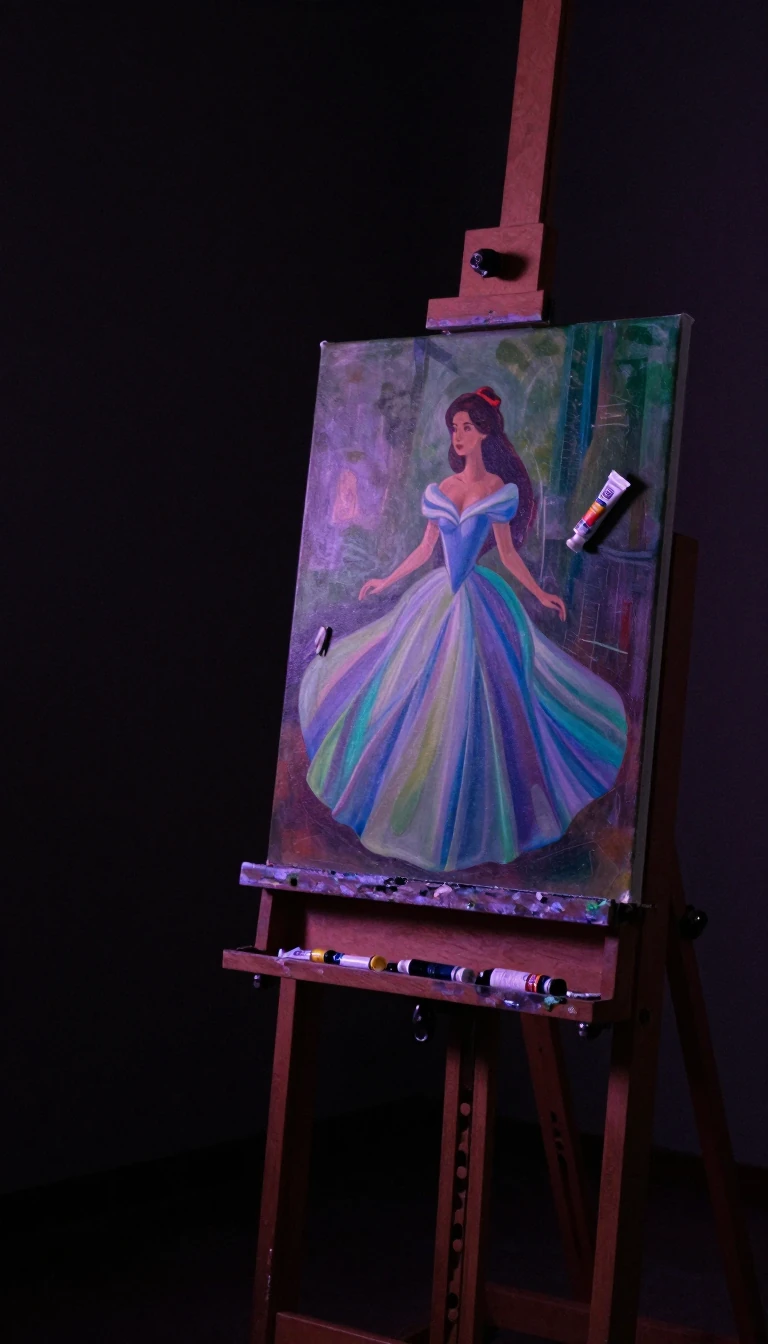
In short: Created to defy the tropes of earlier animated heroines, Belle was envisioned as a proactive, book-smart intellectual. Screenwriter Linda Woolverton fought to ensure her character possessed agency, drawing inspiration from Katharine Hepburn to craft a woman who was ahead of her time rather than a victim of circumstance.
When Disney decided to adapt the Beauty and the Beast fairy tale in the late 1980s, the studio aimed to move away from the perceived passivity of its earlier female leads. Screenwriter Linda Woolverton, the first woman to write a feature-length Disney animated film, was tasked with creating a heroine who could stand apart from 1989's Ariel. Woolverton, influenced by the women's movement, deliberately rejected the victim archetype. She insisted that Belle be a thinker and a reader, even pushing back against story artists who suggested scenes of Belle baking cakes, which they felt was more appropriate for a woman than reading.
The character's development was a collaborative, often contentious process. Woolverton drew heavily on her own personality and the portrayal of Jo March by Katharine Hepburn in the 1933 film Little Women. To ensure Belle felt grounded, the animators incorporated subtle imperfections, such as a stray lock of hair that frequently fell into her face—a detail inspired by both the writer and voice actress Paige O'Hara. The visual design was a synthesis of various influences, including European facial features and the graceful movements of ballerinas, though artists were careful to avoid making her appear too prissy or delicate.
The casting of Paige O'Hara was pivotal to Belle's final identity. At 30 years old, O'Hara brought a natural maturity to the role, which helped distinguish Belle from the younger, more impulsive Ariel. The production team, including lyricist Howard Ashman, prioritized Broadway experience to find a voice that could handle both comedy and drama. By the time the film was released in 1991, Belle had become a cultural touchstone, credited with influencing a generation of empowered animated heroines. Despite later debates regarding the romanticization of her captivity, she remains one of Disney's most recognizable and critically analyzed characters.
Opens the Intellect+ feed with this card first. Swipe up for the next one.
Sources
- Summary by Intellect · source: Belle (Disney character)
To cite this card, link to https://intellectplus.co.uk/app/entertainment-belle-disney-character.
How we source, check and correct cards: Editorial standards.
General information, not professional advice. Spotted an error? Flag the card or see corrections and complaints.
Intellect Plus is a visual educational discovery platform for exploring fascinating facts and ideas. Brain Food, Not Brain Rot. What is Intellect Plus?
Related
More in Animated series & cartoons · More in Entertainment · Latest · A–Z · All topics
