Can a gritty, naturalistic film successfully reimagine the legendary Anglo-Saxon epic poem Beowulf?
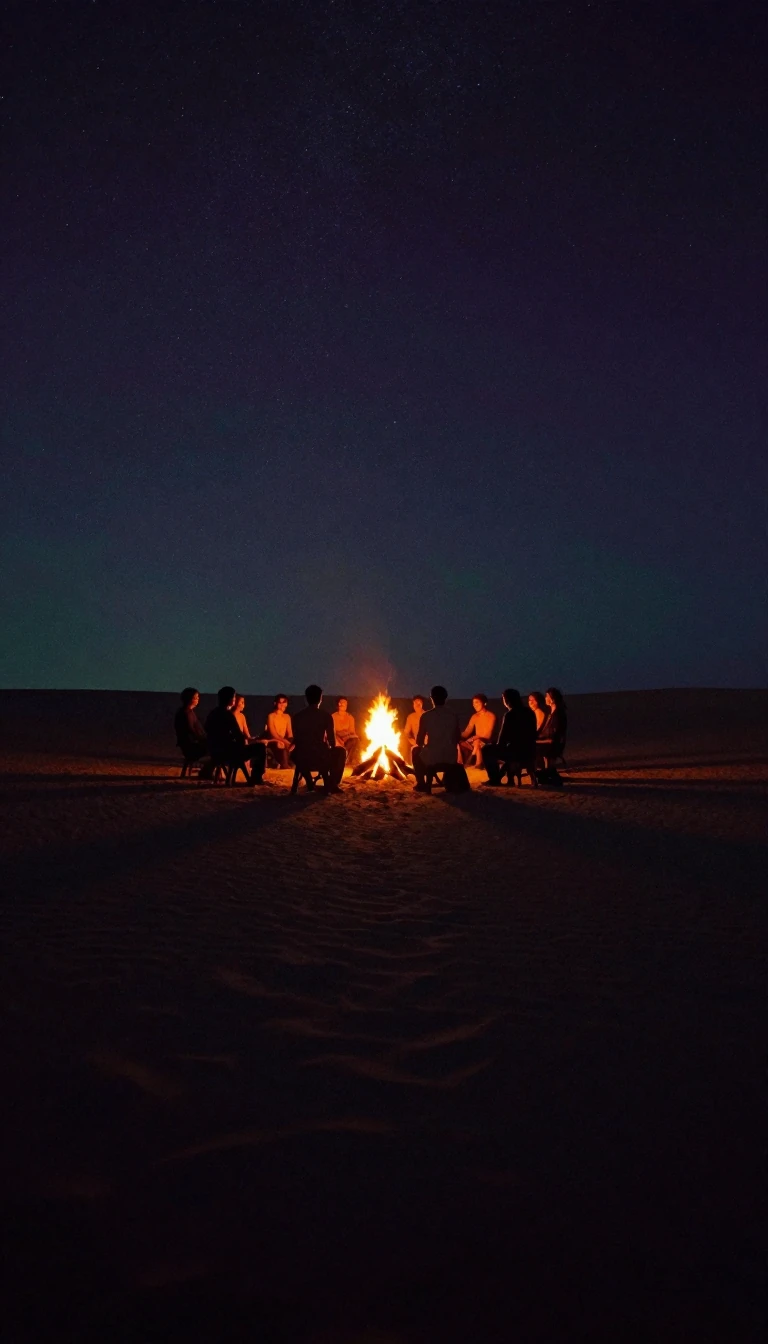
In short: The 2005 film Beowulf & Grendel strips away the mystical elements of the original epic to present a grounded, human-centric morality tale. Filmed in Iceland, this Canadian-Icelandic production reimagines the monster Grendel not as a demonic descendant of Cain, but as a vengeful, grieving son of a murdered father.
Directed by Sturla Gunnarsson, the 2005 film Beowulf & Grendel offers a stark departure from the traditional Old English epic. While the poem, composed between 700 and 750 CE, depicts Grendel as a monstrous, evil creature terrorizing King Hrothgar’s hall for 12 years, the film reinterprets these events through a historical lens. Set in the 6th century, the narrative introduces a backstory where Hrothgar kills Grendel’s father for stealing a fish, sparing the young boy out of pity. This act of violence sets the stage for a cycle of revenge that replaces the poem's supernatural conflict with a gritty, human struggle.
The film introduces several new characters absent from the source material, including the witch Selma, Father Brendan, and Grendel’s own son. These additions, along with the removal of mystical elements, drew mixed reactions from critics. While some, like Lisa Schwarzbaum, praised the film's naturalistic approach and cinematography, others were less convinced. Reviewers such as Manohla Dargis and Nick Schager argued that the reinterpretation diminished the mythic grandeur and scope of the original legend. On Rotten Tomatoes, the film holds a 47% approval rating, reflecting a divide between those who appreciated its aesthetic ambition and those who felt it failed to capture the essence of the epic.
The production itself was a significant undertaking, involving a collaboration between Canadian, Icelandic, and British entities. The challenging nature of the filming process was later documented in the 2006 film Wrath of Gods, which won six awards. Despite the film's mixed critical reception, it remains a notable attempt to bridge the gap between ancient literature and modern cinema. By grounding the story in the rugged Icelandic landscape, Gunnarsson sought to transform a legendary battle into a meditation on morality, vengeance, and the consequences of human actions, even if the result remains a subject of debate among scholars and film enthusiasts alike.
Opens the Intellect+ feed with this card first. Swipe up for the next one.
Sources
- Summary by Intellect · source: Beowulf & Grendel
- Also: Grendel | Monster, Beowulf, Anglo-Saxon | Britannica
- Also: Wikidata — Beowulf & Grendel · CC0
- Also: Wikidata — Beowulf and Grendel · CC0
To cite this card, link to https://intellectplus.co.uk/app/entertainment-beowulf-grendel.
How we source, check and correct cards: Editorial standards.
General information, not professional advice. Spotted an error? Flag the card or see corrections and complaints.
Intellect Plus is a visual educational discovery platform for exploring fascinating facts and ideas. Brain Food, Not Brain Rot. What is Intellect Plus?
Related
More in Films · More in Entertainment · Latest · A–Z · All topics
