In the shadow of war, teachers carry blackboards like shields across the mountains
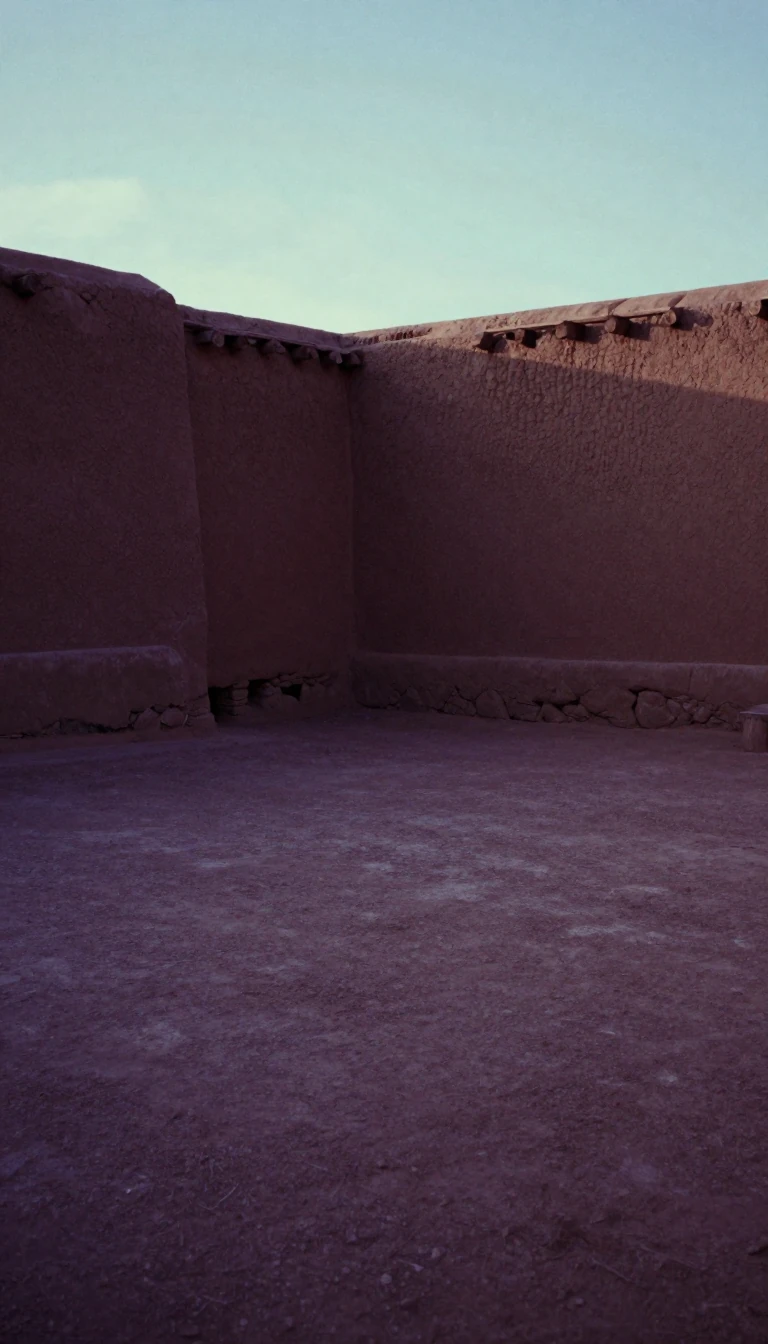
In short: Samira Makhmalbaf’s 2000 film Blackboards captures the surreal struggle of educators wandering through Iranian Kurdistan. Amidst the aftermath of chemical warfare, these teachers search for students among smugglers and displaced elders. It is a haunting, metaphorical exploration of survival where the classroom is wherever a teacher can find a pupil.
Released in 2000, Blackboards is an Iranian production directed by Samira Makhmalbaf and co-written with her father, Mohsen Makhmalbaf. The film is set in the wake of the chemical bombing of Halabja during the Iran–Iraq War. Rather than a straightforward narrative, the director describes the work as a blend of reality and fiction, serving as a metaphor for the displacement and hardship faced by Kurdish refugees.
The story follows two teachers who roam from village to village. One encounters teenagers working as smugglers, or mules, transporting goods across the border into Iraq. While most are uninterested in education, one boy named Rêbwar shows a desire to learn. The second teacher joins a group of elderly men attempting to return to their homeland, traveling alongside a young widow and her son. The film draws comparisons to the 1950 Western Wagon Master, directed by John Ford, for its mythic portrayal of a journey.
The film received significant international recognition in 2000, including the Jury Prize at the Cannes Film Festival in France and the Federico Fellini Honor from UNESCO in Paris. It also earned the François Truffaut prize and the Mayor’s Prize at the Giffoni Film Festival in Italy, as well as the Grand Jury prize from the American Film Institute in the United States. Critics have responded favorably, with a 74% positive rating on Rotten Tomatoes and a score of 64 out of 100 on Metacritic.
By focusing on the act of teaching in a landscape defined by smuggling and homelessness, the film highlights the persistence of human effort. The dialogue, spoken entirely in Kurdish, grounds the metaphorical narrative in the specific reality of those affected by the conflict. It remains a poignant look at how education functions when the structures of society have been dismantled by war.
Opens the Intellect+ feed with this card first. Swipe up for the next one.
Sources
- Summary by Intellect · source: Blackboards
- Also: Blackboards
- Also: Wikidata — Blackboards · CC0
- Also: www.southampton.ac.uk — Blackboard for students | iSolutions | University of Southampton
- Also: students.canterbury.ac.uk — Blackboard
To cite this card, link to https://intellectplus.co.uk/app/entertainment-blackboards.
How we source, check and correct cards: Editorial standards.
General information, not professional advice. Spotted an error? Flag the card or see corrections and complaints.
Intellect Plus is a visual educational discovery platform for exploring fascinating facts and ideas. Brain Food, Not Brain Rot. What is Intellect Plus?
Related
More in Films · More in Entertainment · Latest · A–Z · All topics
