What happens when the architects of a lethal maze become its own prisoners?
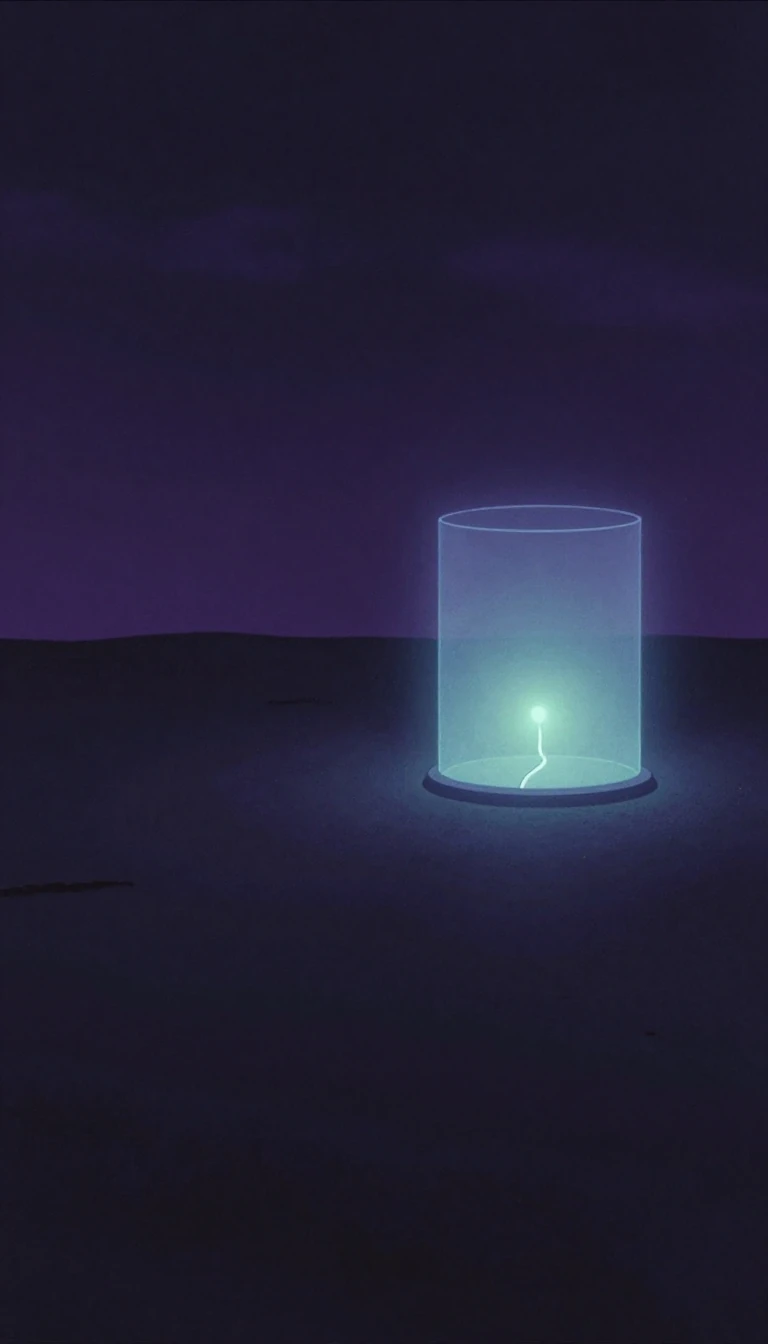
In short: Cube Zero, the 2004 prequel to the cult classic Cube, shifts the perspective from the trapped victims to the technicians monitoring them. As a junior operator begins to question the morality of the machine, he discovers that the line between the observer and the observed is dangerously thin.
Directed by Ernie Barbarash in his debut, Cube Zero explores the origins of the industrial, color-coded maze that defined the original 1997 film. The narrative centers on Eric Wynn, a child prodigy and junior technician, and his senior colleague, Dodd. While they monitor the captives from an external control room, they remain largely ignorant of their own employers. The tension escalates when Wynn begins to sympathize with the prisoners, particularly a political demonstrator named Cassandra Rains, whose capture he witnesses through a dream-recording procedure.
The film introduces a chilling mechanism for managing the maze: technicians must ask prisoners if they believe in God before they reach an exit. If the answer is no, the occupant is incinerated. No prisoner has ever answered positively. When Wynn attempts to sabotage the system to allow Rains to escape, he triggers a brutal confrontation with his supervisor, Jax. This betrayal leads to a desperate race against time as the maze resets its configuration before a final, total vaporization procedure.
The conclusion of the film highlights the cyclical and inescapable nature of the Cube. After Wynn and Rains manage to flee, Wynn is recaptured, sentenced for treason, and subjected to a memory-wiping process. He is then placed inside the Cube himself, his mind altered and his personality suppressed. The film suggests that even those who build and maintain the system are ultimately disposable, destined to become the very subjects they once observed. It serves as a grim meditation on complicity and the loss of agency within an opaque, authoritarian structure.
Released in 2004, the film received generally positive reviews and won the Best Special Effects award at the Screamfest Horror Film Festival. Critics noted that while it may not surpass the original, it effectively expands the series' mythology. By focusing on the technicians, the film transforms the Cube from a simple survival horror into a psychological exploration of how individuals justify their participation in inhumane systems.
Opens the Intellect+ feed with this card first. Swipe up for the next one.
Sources
To cite this card, link to https://intellectplus.co.uk/app/entertainment-cube-zero.
How we source, check and correct cards: Editorial standards.
General information, not professional advice. Spotted an error? Flag the card or see corrections and complaints.
Intellect Plus is a visual educational discovery platform for exploring fascinating facts and ideas. Brain Food, Not Brain Rot. What is Intellect Plus?
Related
More in Films · More in Entertainment · Latest · A–Z · All topics
