How a 1950 film adaptation used mobile sets to capture a classic French romance
In short: The 1950 film adaptation of Cyrano de Bergerac was a technical pioneer, utilizing innovative mobile sets to streamline production. Starring José Ferrer, who won an Academy Award for his portrayal of the eloquent, large-nosed poet, the film remains a significant work of cinema, recently honored for its lasting cultural impact.
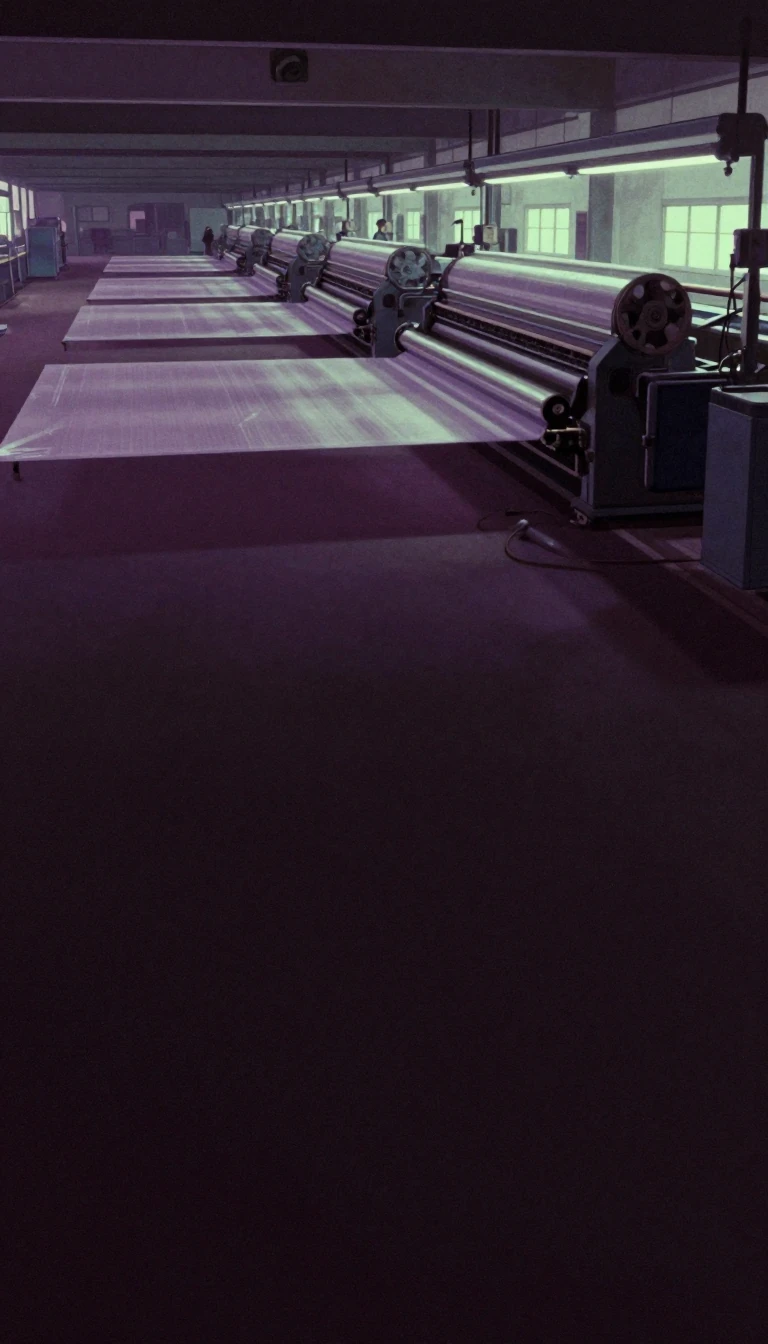
Directed by Michael Gordon and produced by Stanley Kramer, the 1950 version of Cyrano de Bergerac was the first English-language film adaptation of Edmond Rostand’s 1897 drama. The production faced the challenge of translating a complex, verse-heavy play into a cinematic format. To manage this, the team implemented a rigorous 10-day rehearsal period, allowing them to complete filming in just 30 days. A key innovation was the use of mobile sets on wheels, designed by Rudolph Sternad. This allowed the crew to move scenery with minimal effort, effectively halving the required studio space and significantly reducing the time needed to set up new scenes.
The film’s visual authenticity was equally meticulous. Director Michael Gordon consulted a collection of historical photographs to ensure the protagonist’s signature nose was accurately rendered. He hired plastic surgeon Harold M. Holden, an expert on the psychological impact of facial features, as a technical adviser. Each day, the production team spent 45 minutes applying prosthetic noses to José Ferrer, which were crafted over six hours using grain alcohol and plastic materials. This attention to detail extended to the narrative; while the original play depicts Cyrano dying from a falling log, the filmmakers changed this to a carriage trampling, as they felt the former appeared like slapstick comedy on screen.
Despite its technical achievements and Ferrer’s acclaimed performance—which earned him an Academy Award and made him the first actor to win both an Oscar and a Tony for the same role—the film was a financial disappointment, recording a loss of $300,000. Critics were divided, with some praising the clarity and richness of the poetry, while others found the sentimentality excessive. Nevertheless, the film’s legacy has endured. In 2022, the Library of Congress recognized its historical and aesthetic importance by including it in the National Film Registry, ensuring its preservation for future generations.
Opens the Intellect+ feed with this card first. Swipe up for the next one.
Sources
- Summary by Intellect · source: Cyrano de Bergerac (1950 film)
- Also: Cyrano de Bergerac | film by Gordon [1950] | Britannica
To cite this card, link to https://intellectplus.co.uk/app/entertainment-cyrano-de-bergerac-1950-film.
How we source, check and correct cards: Editorial standards.
General information, not professional advice. Spotted an error? Flag the card or see corrections and complaints.
Intellect Plus is a visual educational discovery platform for exploring fascinating facts and ideas. Brain Food, Not Brain Rot. What is Intellect Plus?
Related
More in Films · More in Entertainment · Latest · A–Z · All topics
