How a $5 million script about a time-traveling detective became a New Orleans spectacle
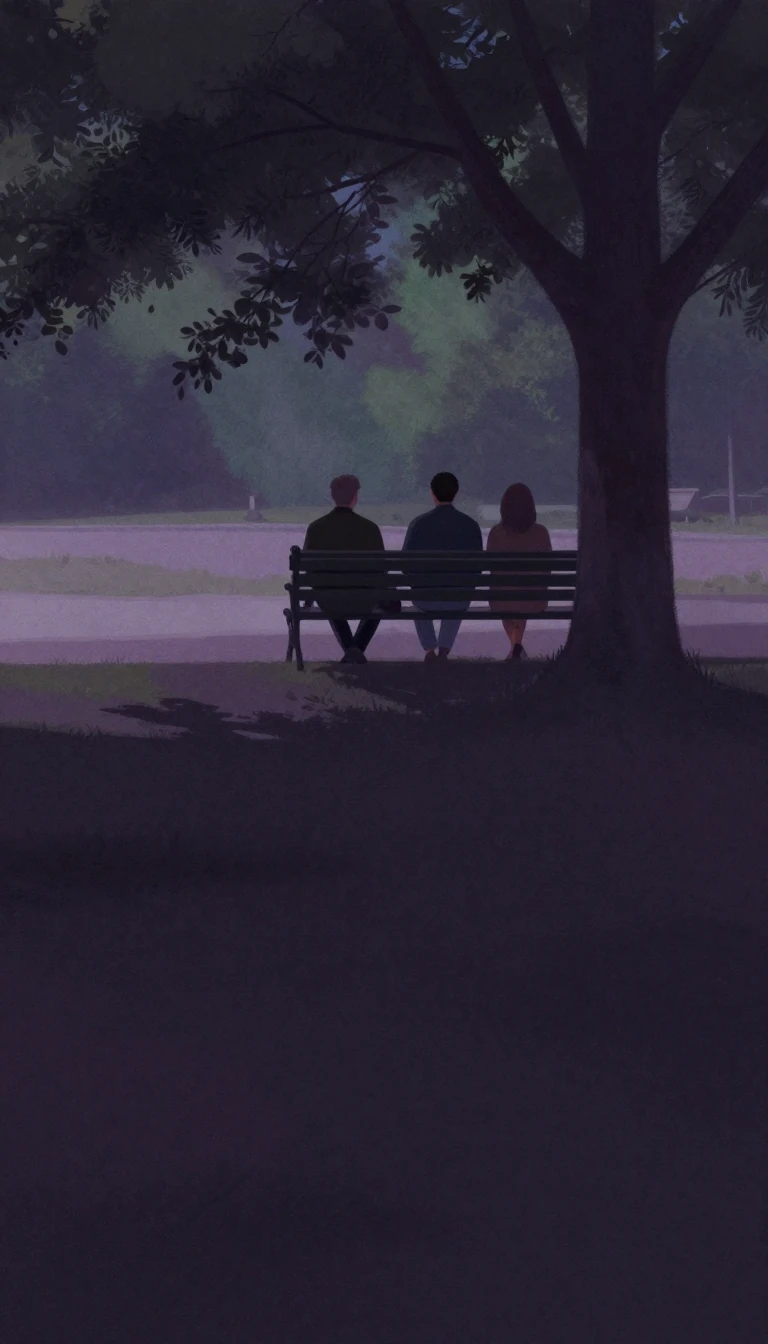
In short: The 2006 thriller Deja Vu began as a cerebral concept about a man falling in love with a murder victim while watching her final days. Director Tony Scott transformed the project into a high-octane action film, sparking a lasting creative rift with screenwriters who insisted their original plot was airtight.
Screenwriters Bill Marsilii and Terry Rossio spent years developing the concept, originally titled Prior Conviction. Their vision centered on a detective using a time window to investigate a woman's death, eventually falling in love with her through surveillance footage. To ensure scientific plausibility, they consulted physicist Brian Greene, who helped integrate the concept of wormholes into the narrative. The script eventually sold for a record $5 million, attracting producer Jerry Bruckheimer, star Denzel Washington, and director Tony Scott.
The production faced significant hurdles, most notably the devastation of New Orleans by Hurricane Katrina. While the city was initially considered for its unique atmosphere, the storm delayed filming and forced the crew to incorporate the post-disaster landscape into the plot. Director Tony Scott, who reportedly had little interest in science fiction, clashed with the writers over the film's direction. Rossio and Marsilii later argued that Scott’s focus on action over their carefully constructed narrative created perceived plot holes, while Scott cited the tight nineteen-week production schedule as a major constraint.
The film's technical execution relied on advanced visual effects, including the use of LIDAR technology to map locations and a complex, four-hour preparation for the ferry explosion sequence. Despite the mixed critical reception—with some reviewers praising the cast and direction while others criticized the scientific premise—the film grossed $180.6 million worldwide. The character of the bomber, Carroll Oerstadt, was partially inspired by real-life domestic terrorist Timothy McVeigh, grounding the film's high-concept premise in a darker, more recognizable reality.
Ultimately, the tension between the writers' original vision and the director's stylistic choices remains a point of contention. Rossio, in particular, was so dissatisfied with the final product that he reportedly had not seen the film as of May 2008. Nevertheless, the film remains a notable example of the challenges inherent in adapting complex, high-concept screenplays into large-scale Hollywood productions.
Opens the Intellect+ feed with this card first. Swipe up for the next one.
Sources
- Summary by Intellect · source: Déjà Vu (2006 film)
To cite this card, link to https://intellectplus.co.uk/app/entertainment-d-j-vu-2006-film.
How we source, check and correct cards: Editorial standards.
General information, not professional advice. Spotted an error? Flag the card or see corrections and complaints.
Intellect Plus is a visual educational discovery platform for exploring fascinating facts and ideas. Brain Food, Not Brain Rot. What is Intellect Plus?
Related
More in Films · More in Entertainment · Latest · A–Z · All topics
