A Soviet masterpiece captures the chilling, radioactive aftermath of a global nuclear catastrophe
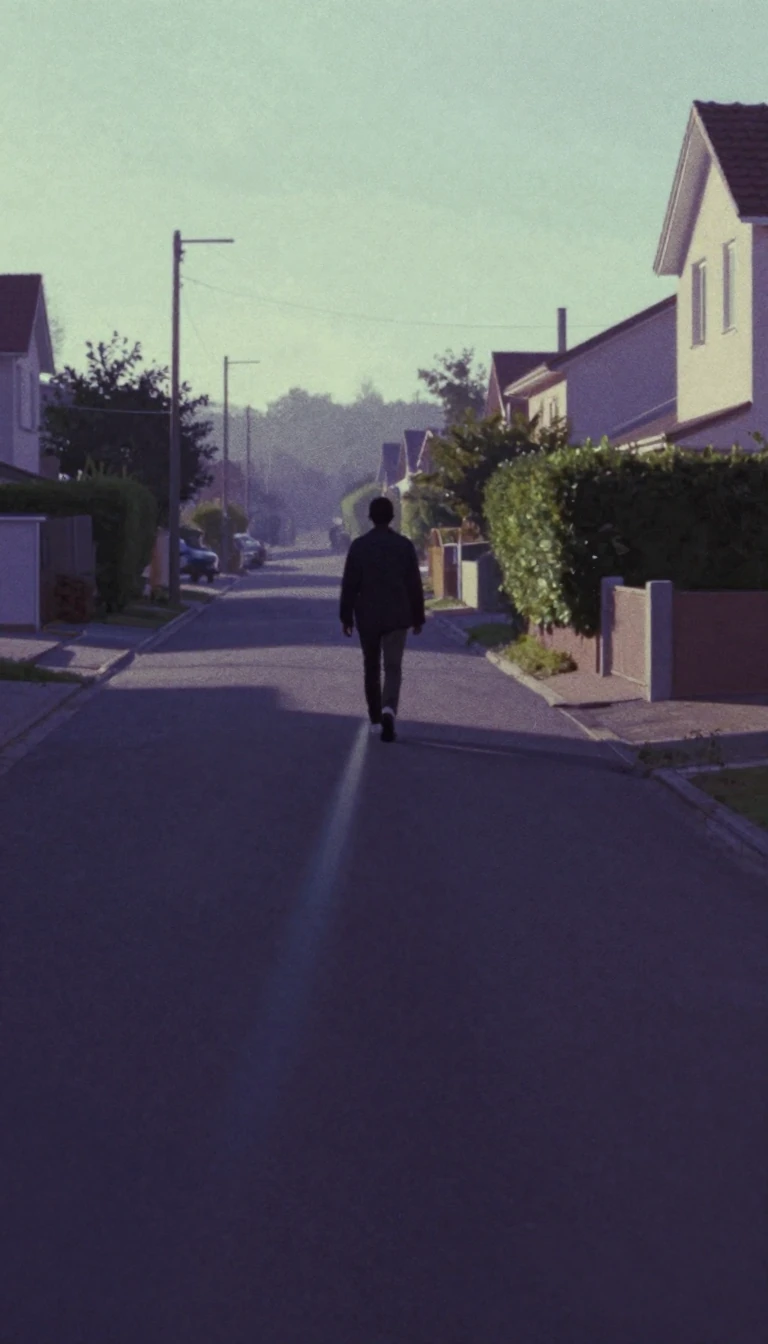
In short: In the ruins of a post-apocalyptic city, a Nobel laureate clings to sanity by writing letters to his missing son. Konstantin Lopushansky’s 1986 directorial debut, Dead Man's Letters, offers a haunting, brutalist vision of survival that challenged Soviet censorship and remains a landmark of Cold War cinema.
Released in 1986, Dead Man's Letters (Pis'ma myortvogo cheloveka) emerged during a period of shifting Soviet political tides. Director Konstantin Lopushansky, a former apprentice to Andrei Tarkovsky, faced a three-year delay and multiple script rewrites due to strict censorship. The project only secured production through the influence of Anatoly Gromyko, a historian and son of the Soviet foreign minister. This support allowed the film to become the first Soviet production to depict the aftermath of nuclear war, reflecting a new openness toward discussing previously sensitive topics under Gorbachev’s policies.
The film follows Professor Larsen, a Nobel Prize-winning physicist living in a decimated museum basement. Amidst the radioactive decay and the loss of his wife, Larsen maintains a desperate, compulsive correspondence with his son, Eric, who is likely dead. While other survivors succumb to nihilism or religious fatalism, Larsen holds onto the belief that life persists elsewhere. His journey through the ruins—including a visit to an orphanage where he finds a final, tragic sense of purpose—serves as a stark, monochrome meditation on grief and the persistence of human hope in a world stripped of its future.
Lopushansky’s aesthetic, heavily influenced by Tarkovsky’s philosophical approach to filmmaking, utilizes a foreboding, greenish-tinted monochrome to emphasize the hopelessness of the setting. The production design, shot largely in Kronstadt, incorporates real defense equipment to create an eerie mirror of Soviet civil defense programs. Though some contemporary critics found the pacing meandering, the film was a significant cultural event, drawing over 15 million viewers in the USSR. It stands as a powerful artifact of the superpower divide, stripping away ideological gloss to confront the universal dread of total annihilation.
Opens the Intellect+ feed with this card first. Swipe up for the next one.
Sources
- Summary by Intellect · source: Dead Man's Letters
- Also: Wikidata — Dead Man's Letters · CC0
To cite this card, link to https://intellectplus.co.uk/app/entertainment-dead-man-s-letters.
How we source, check and correct cards: Editorial standards.
General information, not professional advice. Spotted an error? Flag the card or see corrections and complaints.
Intellect Plus is a visual educational discovery platform for exploring fascinating facts and ideas. Brain Food, Not Brain Rot. What is Intellect Plus?
Related
More in Films · More in Entertainment · Latest · A–Z · All topics
