A Soviet masterpiece of science fiction that nearly destroyed its own production crew
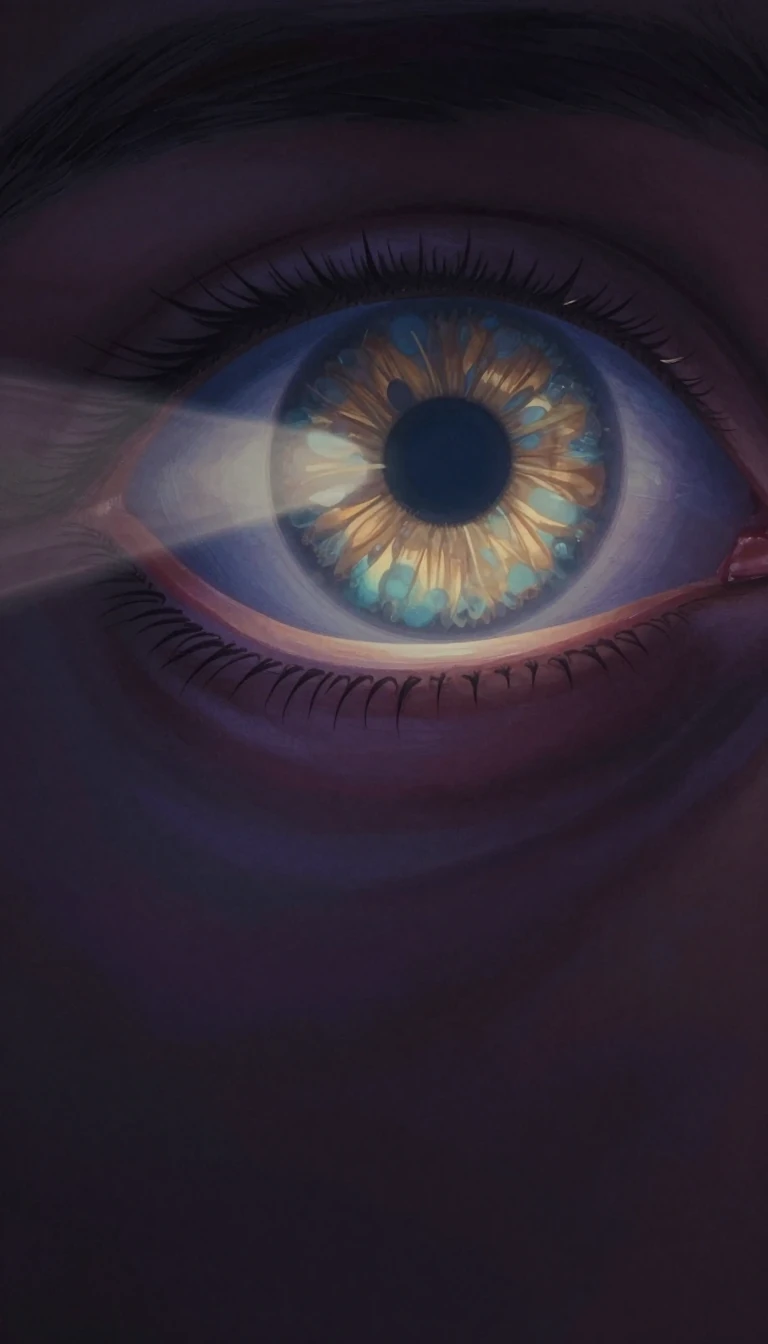
In short: Andrei Tarkovsky’s 1979 film Stalker is a haunting, philosophical journey into a mysterious wasteland where physics fails and desires manifest. Beyond its cinematic legacy, the production was plagued by unusable film stock, creative conflict, and toxic shooting locations that some crew members believe contributed to their later health struggles.
Stalker follows a guide known as the Stalker who leads a writer and a professor into the Zone, a restricted, fenced-off territory where the laws of nature are suspended. At the center of this wilderness lies a room said to grant the deepest, most secret desires of those who enter. While the film is loosely based on the 1972 novel Roadside Picnic by Arkady and Boris Strugatsky, Tarkovsky noted that the final film shares almost nothing with the source material beyond the title and the concept of the Zone.
The production was notoriously difficult. Tarkovsky spent a year filming outdoors, only to discover that the footage was unusable due to improper development of the Kodak 5247 stock. He was forced to reshoot almost the entire film with a new cinematographer, Alexander Knyazhinsky. The shoot took place in hazardous environments, including near a chemical plant on the Jägala river in Estonia. Some crew members, including sound designer Vladimir Sharun, later attributed the deaths of Tarkovsky, his wife Larisa, and actor Anatoly Solonitsyn to cancer caused by exposure to toxic substances at these locations.
The film’s atmosphere is defined by its unique sound design, crafted by Eduard Artemyev. Tarkovsky sought to blur the lines between music and natural sound, using a synthesizer to create an immersive, alien soundscape. The film rejects rapid editing, relying instead on long, slow takes—averaging over one minute each—to draw the audience into the characters' inner psychological journeys. By the time of its 1979 release, the film had become a complex allegory for faith, human desire, and the disillusionment of late Soviet society, eventually earning recognition as one of the greatest films ever made.
Opens the Intellect+ feed with this card first. Swipe up for the next one.
Sources
- Summary by Intellect · source: Stalker (1979 film)
To cite this card, link to https://intellectplus.co.uk/app/art-stalker-1979-film.
How we source, check and correct cards: Editorial standards.
General information, not professional advice. Spotted an error? Flag the card or see corrections and complaints.
Intellect Plus is a visual educational discovery platform for exploring fascinating facts and ideas. Brain Food, Not Brain Rot. What is Intellect Plus?
Related
More in Film and television · More in Art · Latest · A–Z · All topics
