In a starving post-apocalyptic France, the local butcher shop serves a terrifying secret ingredient.
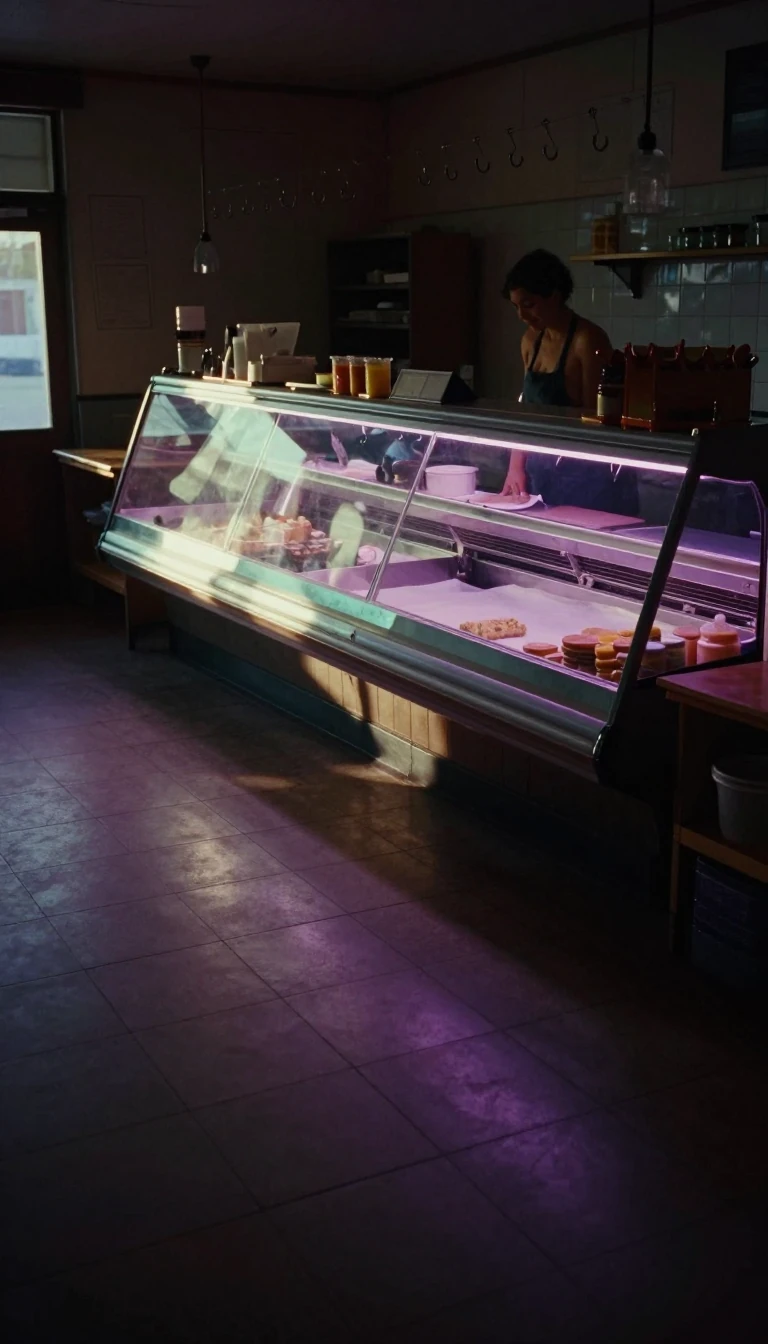
In short: Jean-Pierre Jeunet and Marc Caro’s 1991 debut, Delicatessen, is a visually arresting black comedy set in a crumbling apartment building where grain is currency and tenants are the primary food source. When an unemployed circus clown arrives, he inadvertently disrupts the butcher’s gruesome business model, sparking a bizarre, whimsical, and violent survival story.
The film presents a bleak, futuristic dystopia where food scarcity has turned the residents of a dilapidated building into unwitting participants in a cannibalistic cycle. The landlord, Clapet, operates a butcher shop on the ground floor, using newspaper advertisements to lure unsuspecting workers to their deaths. These victims are then processed into meat to feed the building's hungry tenants. The arrival of Louison, a former circus clown, complicates this arrangement. His charm and utility as a handyman earn him the affection of Clapet’s daughter, Julie, who eventually discovers her father's murderous secret and seeks help from the Troglodytes, a group of underground vegetarian rebels.
Visually, the film is noted for its striking aesthetic, which draws inspiration from the monochrome photography of Brassaï and the surreal fantasy style of Terry Gilliam. Despite its morbid premise, the film balances horror, science fiction, and humor. While some critics, such as Janet Maslin of The New York Times, felt the film’s chaotic final act—involving a flooded bathroom—was a narrative washout, others praised its cleverness. Empire magazine lauded it as essential viewing, while Rotten Tomatoes reports a 90% approval rating from 58 reviews, highlighting Jeunet’s ability to craft a visually ravishing, albeit macabre, experience.
Beyond its surface-level absurdity, the film touches upon themes of resistance, echoing the historical context of German-occupied Europe, though these parallels were largely overlooked by critics upon the film's 1991 release. The production was highly decorated, winning four César Awards, including Best Debut and Best Production Design, and earning accolades at festivals ranging from Sitges to Tokyo. Ultimately, the film serves as a testament to the directors' background in short video forms, resulting in a series of meticulously crafted set pieces that transform a grim, cannibalistic premise into a cult classic of European cinema.
Opens the Intellect+ feed with this card first. Swipe up for the next one.
Sources
- Summary by Intellect · source: Delicatessen (1991 film)
To cite this card, link to https://intellectplus.co.uk/app/entertainment-delicatessen-1991-film.
How we source, check and correct cards: Editorial standards.
General information, not professional advice. Spotted an error? Flag the card or see corrections and complaints.
Intellect Plus is a visual educational discovery platform for exploring fascinating facts and ideas. Brain Food, Not Brain Rot. What is Intellect Plus?
Related
More in Films · More in Entertainment · Latest · A–Z · All topics
