How a 2009 film adaptation transformed a classic literary portrait into a living entity
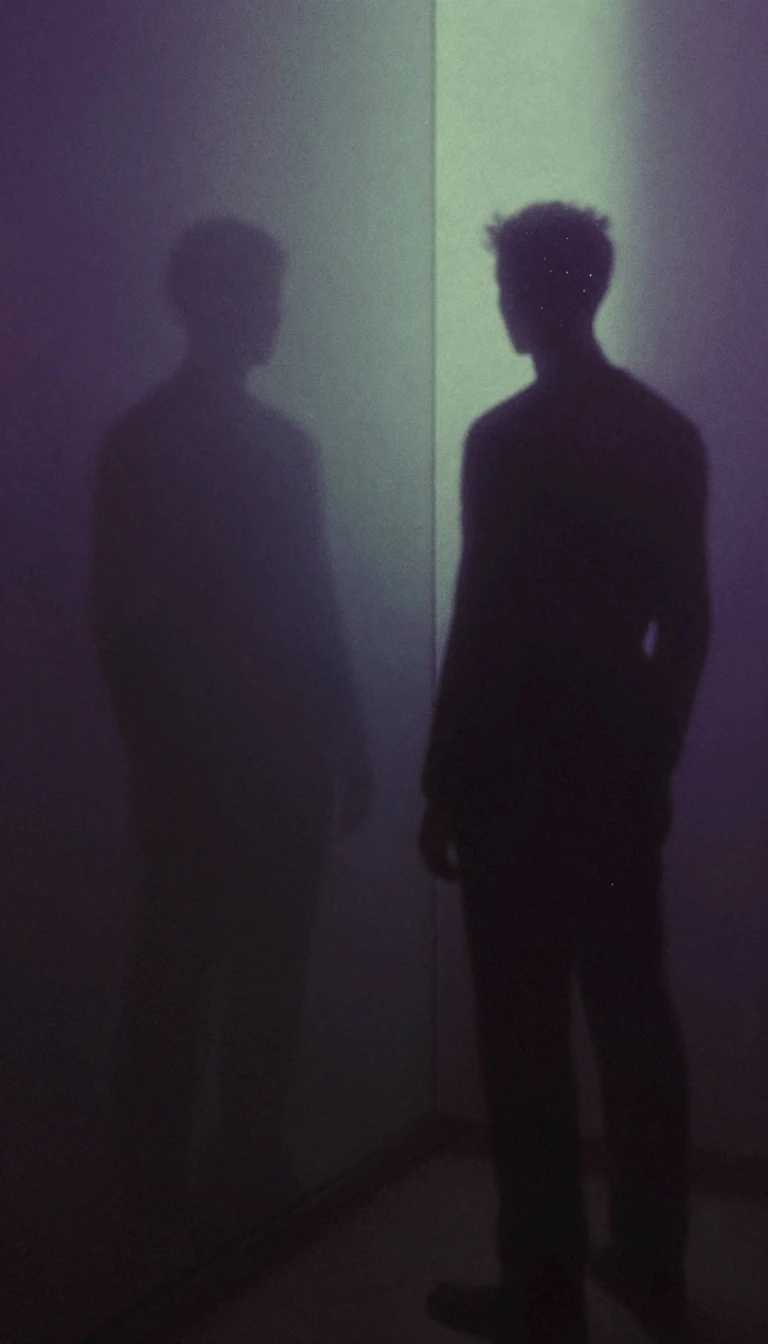
In short: In Oliver Parker's 2009 adaptation of Oscar Wilde's novel, the titular portrait is more than a mere painting. It becomes a sentient, decaying observer of Dorian Gray's moral collapse. By utilizing specific camera angles and sound, the film grants the canvas a haunting, active presence that influences the protagonist's descent.
The 2009 film Dorian Gray, directed by Oliver Parker and written by Toby Finlay, reimagines the 1890 source material by emphasizing the supernatural agency of the portrait. While the original novel focuses on the psychological weight of the painting, the film employs cinematographic techniques to suggest the portrait is alive. When Gray learns of Sibyl Vane's death, the camera shifts to a high vantage point, using a blurred panning effect to represent the painting's own gaze as it watches Gray. This visual perspective is underscored by haunting music, reinforcing the idea that the object is actively monitoring his actions.
The film deviates from the novel to heighten this tension, introducing narrative changes such as the character of Emily, Lord Henry's daughter, and a climactic third-act confrontation. Parker acknowledged that these departures from the source material were necessary to create an effective cinematic experience, even at the risk of alienating literary purists. The portrait itself is depicted as a grotesque, evolving entity that attracts vermin and decomposes, serving as a physical manifestation of Gray's moral decay as he pursues a life of hedonism and grandiose narcissism.
The production, which began in summer 2008 at Ealing Studios, received £500,000 in funding from the UK Film Council's Premiere Fund. Despite its lavish production values, the film received mixed reviews, holding a 43% approval rating on Rotten Tomatoes as of February 2024. Critics have noted that while the film attempts to modernize the story through its technical focus on the portrait's liveliness, the overall execution was perceived as tame. Ultimately, the film serves as a dark fantasy exploration of a man who trades his soul for eternal youth, only to find that his sins are permanently etched into the canvas he tries so desperately to hide.
Opens the Intellect+ feed with this card first. Swipe up for the next one.
Sources
- Summary by Intellect · source: Dorian Gray (2009 film)
- Also: Dorian Gray
To cite this card, link to https://intellectplus.co.uk/app/entertainment-dorian-gray-2009-film.
How we source, check and correct cards: Editorial standards.
General information, not professional advice. Spotted an error? Flag the card or see corrections and complaints.
Intellect Plus is a visual educational discovery platform for exploring fascinating facts and ideas. Brain Food, Not Brain Rot. What is Intellect Plus?
Related
More in Films · More in Entertainment · Latest · A–Z · All topics
