Why this 1981 dark fantasy film remains a technical marvel of practical effects
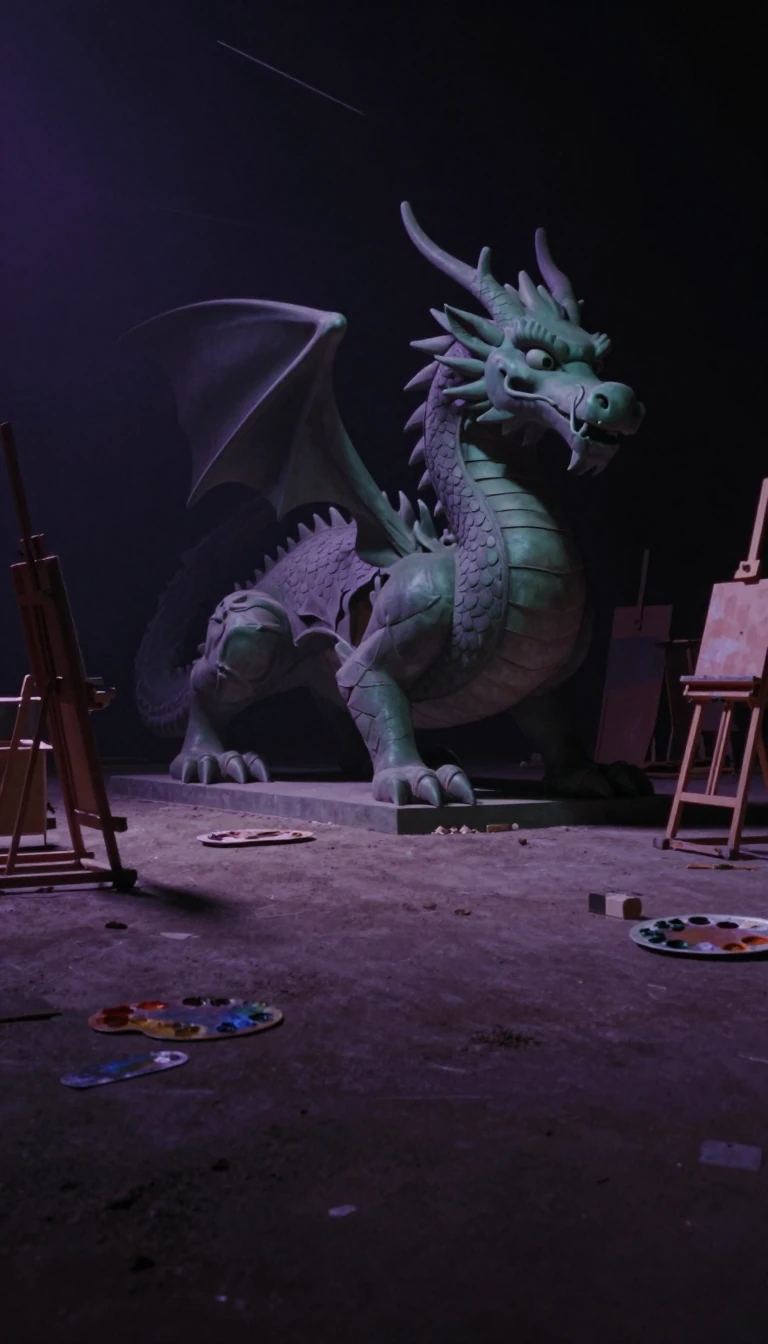
In short: Dragonslayer was a gritty, mature departure for Disney, featuring a dragon so realistic it required sixteen separate puppets and pioneering go-motion animation. Despite its technical brilliance and Academy Award nominations, the film struggled at the box office, eventually finding its true home as a beloved, overlooked cult classic.
Released in 1981, Dragonslayer was a collaborative effort between Paramount Pictures and Walt Disney Productions. Directed by Matthew Robbins, the film aimed for a grounded, primitive realism, rejecting traditional medieval tropes like knights in shining armor. Set in a sub-Roman British kingdom, the story follows a young apprentice sorcerer, Galen Bradwarden, who attempts to save a village from a dragon named Vermithrax Pejorative. The production was notably more mature than typical Disney fare of the era, featuring violence and adult themes that sparked controversy among audiences expecting standard children's entertainment.
The film's visual centerpiece was the dragon, Vermithrax. Industrial Light and Magic (ILM) utilized a groundbreaking technique called go-motion, developed by Phil Tippett for The Empire Strikes Back. Unlike standard stop-motion, which moves models between exposures, go-motion animates them during the exposure, adding motion blur to create a lifelike, fluid appearance. The dragon was a composite of 16 different puppets, including a 40-foot hydraulic model, with fire-breathing effects achieved using actual World War II-era flamethrowers. The creature's vocalizations were a complex mix of animal sounds, including lions, tigers, and elephants.
Despite its technical achievements, the film faced a difficult reception. It grossed $14.1 million worldwide against an $18 million budget, leading to poor box office performance. Critics were divided; while many praised the dazzling special effects and the performance of Ralph Richardson as the sorcerer Ulrich, others criticized the narrative pacing and the film's attempt to impose modern sensibilities on its medieval setting. Nevertheless, the film earned Academy Award nominations for Best Visual Effects and Best Original Score, the latter composed by Alex North, who famously repurposed music he had originally written for Stanley Kubrick's 2001: A Space Odyssey.
Opens the Intellect+ feed with this card first. Swipe up for the next one.
Sources
- Summary by Intellect · source: Dragonslayer (1981 film)
To cite this card, link to https://intellectplus.co.uk/app/entertainment-dragonslayer-1981-film.
How we source, check and correct cards: Editorial standards.
General information, not professional advice. Spotted an error? Flag the card or see corrections and complaints.
Intellect Plus is a visual educational discovery platform for exploring fascinating facts and ideas. Brain Food, Not Brain Rot. What is Intellect Plus?
Related
More in Films · More in Entertainment · Latest · A–Z · All topics
