Why Emily Brontë’s only novel was once dismissed as vulgar and inartistic
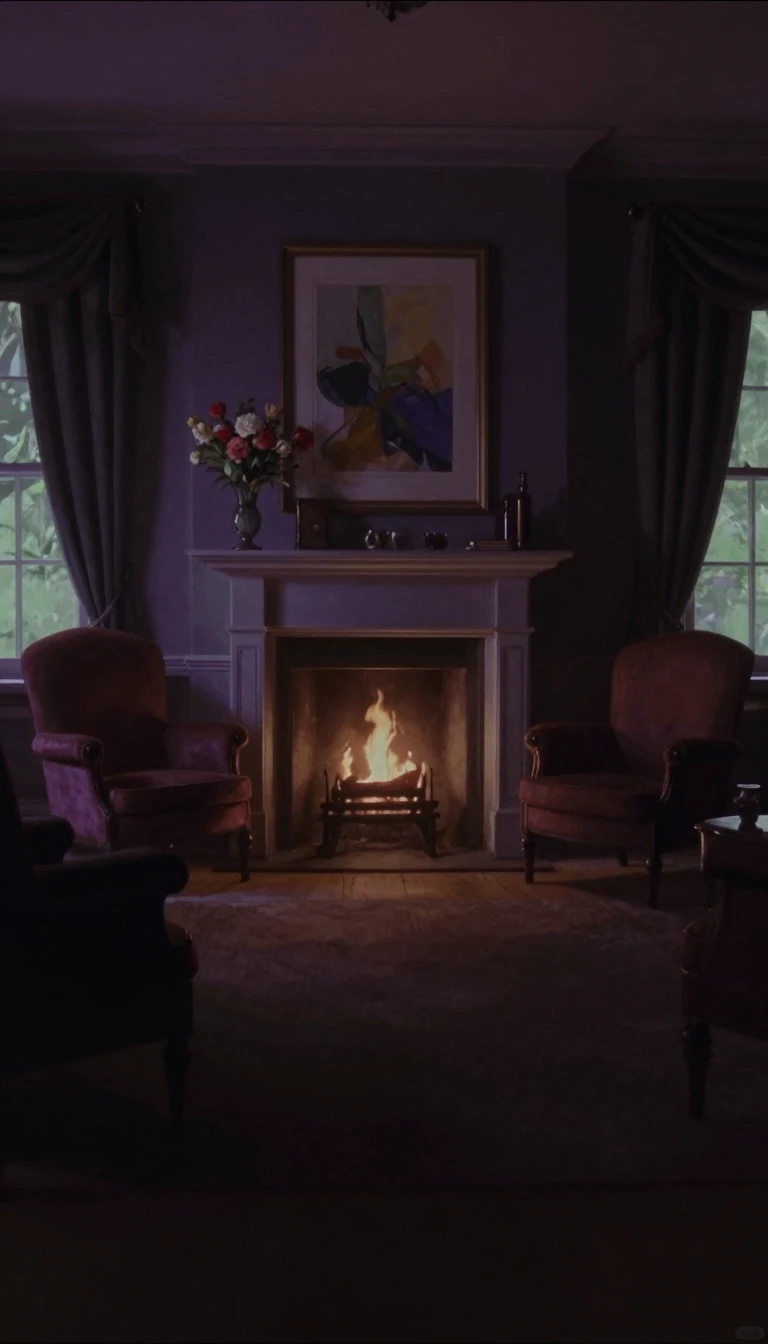
In short: Published in 1847, Wuthering Heights remains a towering work of Gothic fiction. While modern readers celebrate its poetic intensity, early critics were horrified by its dark, obsessive themes. Beyond the famous romance lies a complex, multi-generational ghost story that continues to challenge our understanding of love and vengeance.
Emily Brontë published Wuthering Heights in 1847 under the pseudonym Ellis Bell. The novel is set at the turn of the 19th century on the desolate Yorkshire moors. It follows the tumultuous relationship between Catherine Earnshaw and Heathcliff, a foundling brought into the Earnshaw home by Catherine’s father. Their bond is characterized by a shared, wild nature that transcends typical romantic conventions, with Catherine famously declaring, "I am Heathcliff!"
The narrative structure is famously intricate, told primarily through the perspectives of a visitor named Lockwood and the housekeeper Ellen Dean. After Catherine marries the wealthy Edgar Linton, Heathcliff disappears for three years, returning with an unexplained fortune and an education. He then embarks on a calculated, multi-generational campaign of revenge against the Earnshaw and Linton families, eventually seizing control of Wuthering Heights and manipulating the lives of the next generation.
While often categorized as a romance, the book is fundamentally a work of Gothic fiction, complete with ghost-story elements and brooding descriptions of nature. Upon its release, the novel faced harsh criticism, with reviewers labeling it vulgar and immoral. Brontë died of tuberculosis just one year after publication, never witnessing the eventual recognition of her work as a masterpiece of creative genius. Today, the story remains a subject of intense study, particularly for its exploration of obsession and the destructive power of vengeance.
Adaptations have often struggled to capture the novel's full scope. For instance, a 1992 film adaptation directed by Peter Kosminsky was notable for including the often-omitted second-generation storyline. Despite featuring Ralph Fiennes and Juliette Binoche, the film received mixed reviews, with critics noting that the performance of Heathcliff successfully captured the morbidity and dark sensuality that originally shocked the book's first readers.
Opens the Intellect+ feed with this card first. Swipe up for the next one.
Sources
- Summary by Intellect · source: Wuthering Heights | Book, Movie, Characters, Summary, & Facts | Britannica
- Also: Emily Brontë's Wuthering Heights
To cite this card, link to https://intellectplus.co.uk/app/entertainment-emily-bront-s-wuthering-heights.
How we source, check and correct cards: Editorial standards.
General information, not professional advice. Spotted an error? Flag the card or see corrections and complaints.
Intellect Plus is a visual educational discovery platform for exploring fascinating facts and ideas. Brain Food, Not Brain Rot. What is Intellect Plus?
Related
More in Films · More in Entertainment · Latest · A–Z · All topics
