A final masterpiece explores desire within the rigid ranks of Japan's elite samurai
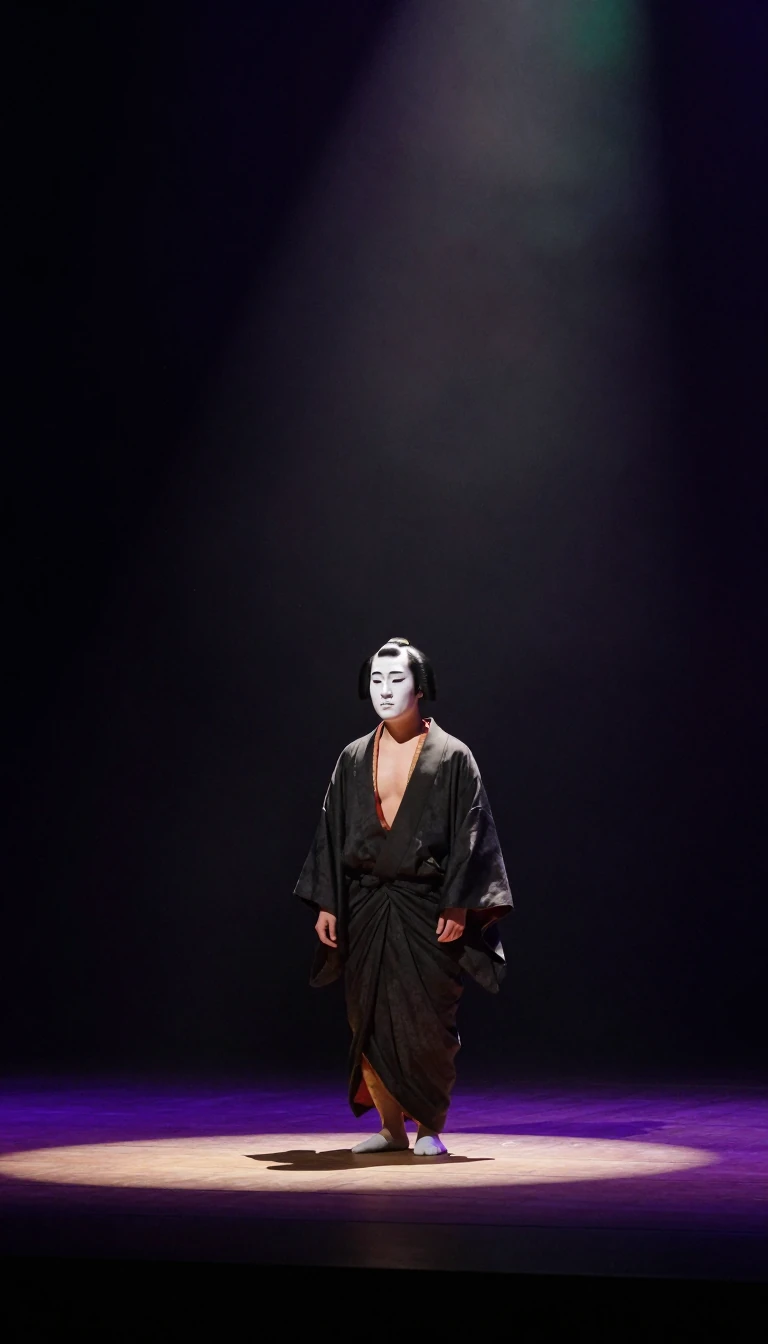
In short: Nagisa Oshima's swan song, Gohatto, subverts the traditional samurai epic by injecting a volatile, homoerotic tension into the Shinsengumi. Set during the final days of the Tokugawa shogunate, the film tracks how the arrival of a beautiful, lethal young recruit unravels the discipline of an entire warrior unit.
Released in 1999, Gohatto served as the final directorial project for Nagisa Oshima before his passing thirteen years later. The narrative centers on the Shinsengumi, a historical group of elite swordsmen tasked with protecting the Tokugawa shogunate from reformist threats. The arrival of Kanō Sōzaburō, a sixteen-year-old recruit played by Ryuhei Matsuda, acts as a catalyst for chaos. While Kanō is a formidable fighter, his striking appearance triggers intense competition and jealousy among his peers and superiors, including Vice-Commander Hijikata Toshizō, portrayed by Takeshi Kitano.
The title itself, Gohatto, is an archaic term denoting something strictly forbidden or taboo. This linguistic choice reflects the film's broader interest in the conflict between individual desire and the suffocating social codes of nineteenth-century Japan. Critics have noted the film's atmospheric quality and its daring approach to genre conventions. While some reviewers found the experience impenetrable, others praised it as a work of significant charm and mastery from a seasoned filmmaker.
The film achieved notable commercial success in Japan, earning ¥1.01 billion and ranking among the top-grossing domestic features of its year. Its critical reception was similarly strong, securing a nomination for the top prize at the 2000 Cannes Film Festival and winning multiple accolades at the 2000 Blue Ribbon Awards, including honors for Oshima’s direction and Matsuda’s debut performance. Despite its limited reach in North American theaters, the film remains a celebrated exploration of the hidden frictions within historical power structures.
Opens the Intellect+ feed with this card first. Swipe up for the next one.
Sources
- Summary by Intellect · source: Gohatto
To cite this card, link to https://intellectplus.co.uk/app/entertainment-gohatto.
How we source, check and correct cards: Editorial standards.
General information, not professional advice. Spotted an error? Flag the card or see corrections and complaints.
Intellect Plus is a visual educational discovery platform for exploring fascinating facts and ideas. Brain Food, Not Brain Rot. What is Intellect Plus?
Related
More in Films · More in Entertainment · Latest · A–Z · All topics
