Robert Altman's Gosford Park used two moving cameras to capture life like a stage play.
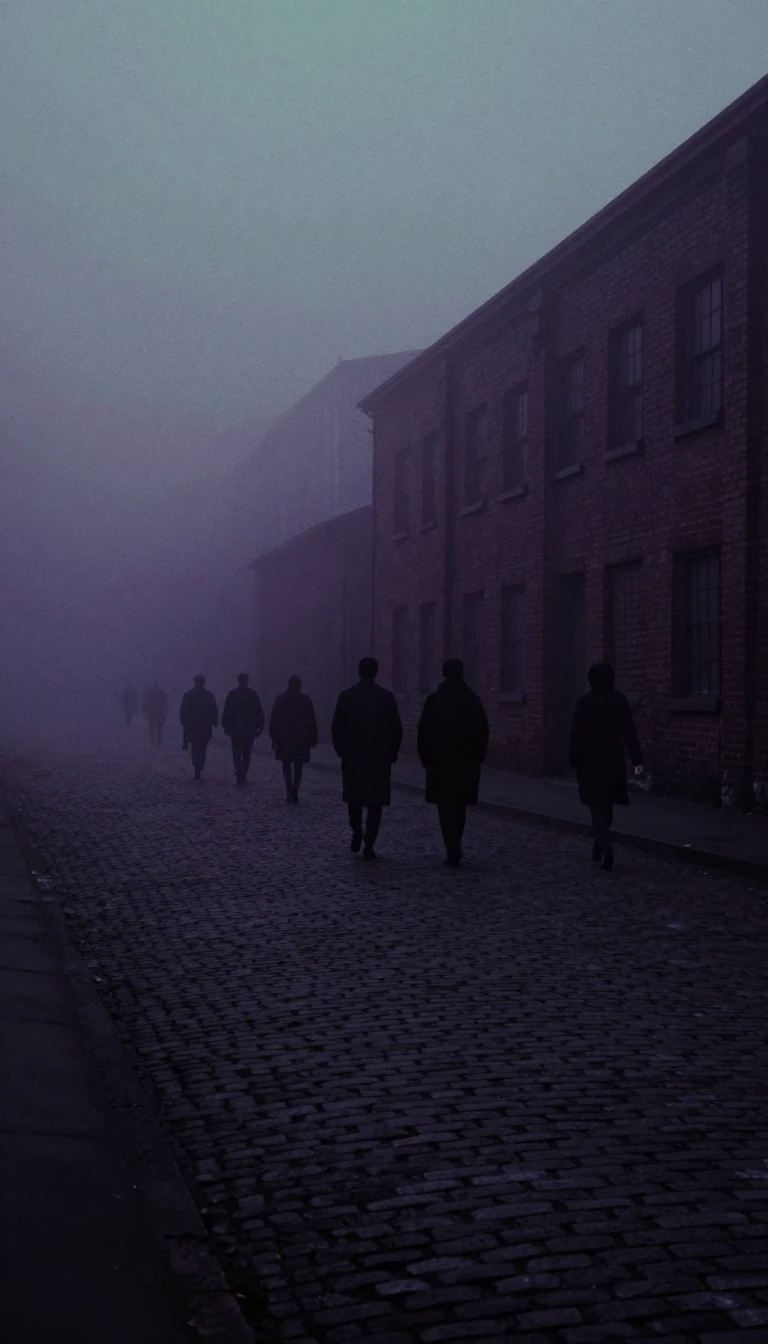
In short: To force his ensemble cast to stay in character, director Robert Altman filmed his 2001 murder mystery with two cameras constantly in motion. The actors never knew when they were in focus, creating an immersive, unscripted atmosphere that felt less like a movie and more like a living, breathing house.
Released in 2001, Gosford Park was the result of a collaboration between director Robert Altman and actor Bob Balaban, who sought to create an Agatha Christie-style whodunit that examined the rigid British class system. Set in 1932, the film follows a shooting party at an English country estate, focusing on the complex, often tense relationships between the wealthy guests and their servants. The screenplay, written by Julian Fellowes, was designed to explore these three distinct groups—the family, their guests, and the staff—rather than focusing solely on the central murder mystery.
The production was notable for its technical approach and commitment to authenticity. Altman employed two Panavision cameras that moved perpetually in opposite directions, a technique intended to mimic the experience of watching a play where the audience's gaze is not fixed on a single performer. This forced the actors to remain fully in character at all times. To ensure period accuracy, the production hired consultants for specific roles, including a retired butler and kitchen staff, who advised on the correct procedures for dining and domestic service.
The film was a critical and commercial success, grossing over $87 million worldwide and earning seven Academy Award nominations. Julian Fellowes won the Oscar for Best Original Screenplay, and the film's ensemble cast was widely praised for their performances. While the film stands as a unique study of a society on the verge of change, it also left a lasting legacy: it served as the primary inspiration for the television series Downton Abbey, which Fellowes later created to further explore the themes of class and domestic life that he first developed for the big screen.
Despite its acclaim, the film's production was not without its challenges. During filming, which began in March 2001, the studio even kept a standby director on call to ensure the project remained insured in case Altman became incapacitated. Today, the film is frequently cited as one of the best of its decade, celebrated for its lush cinematography and its ability to balance a classic mystery with a sharp, perceptive look at the social hierarchies of the 1930s.
Opens the Intellect+ feed with this card first. Swipe up for the next one.
Sources
- Summary by Intellect · source: Gosford Park
- Also: Wikidata — Gosford Park · CC0
- Also: Wikidata — Gosford Park · CC0
To cite this card, link to https://intellectplus.co.uk/app/entertainment-gosford-park.
How we source, check and correct cards: Editorial standards.
General information, not professional advice. Spotted an error? Flag the card or see corrections and complaints.
Intellect Plus is a visual educational discovery platform for exploring fascinating facts and ideas. Brain Food, Not Brain Rot. What is Intellect Plus?
Related
More in Films · More in Entertainment · Latest · A–Z · All topics
