A 17th-century murder mystery where the artist becomes the canvas for a lethal trap.
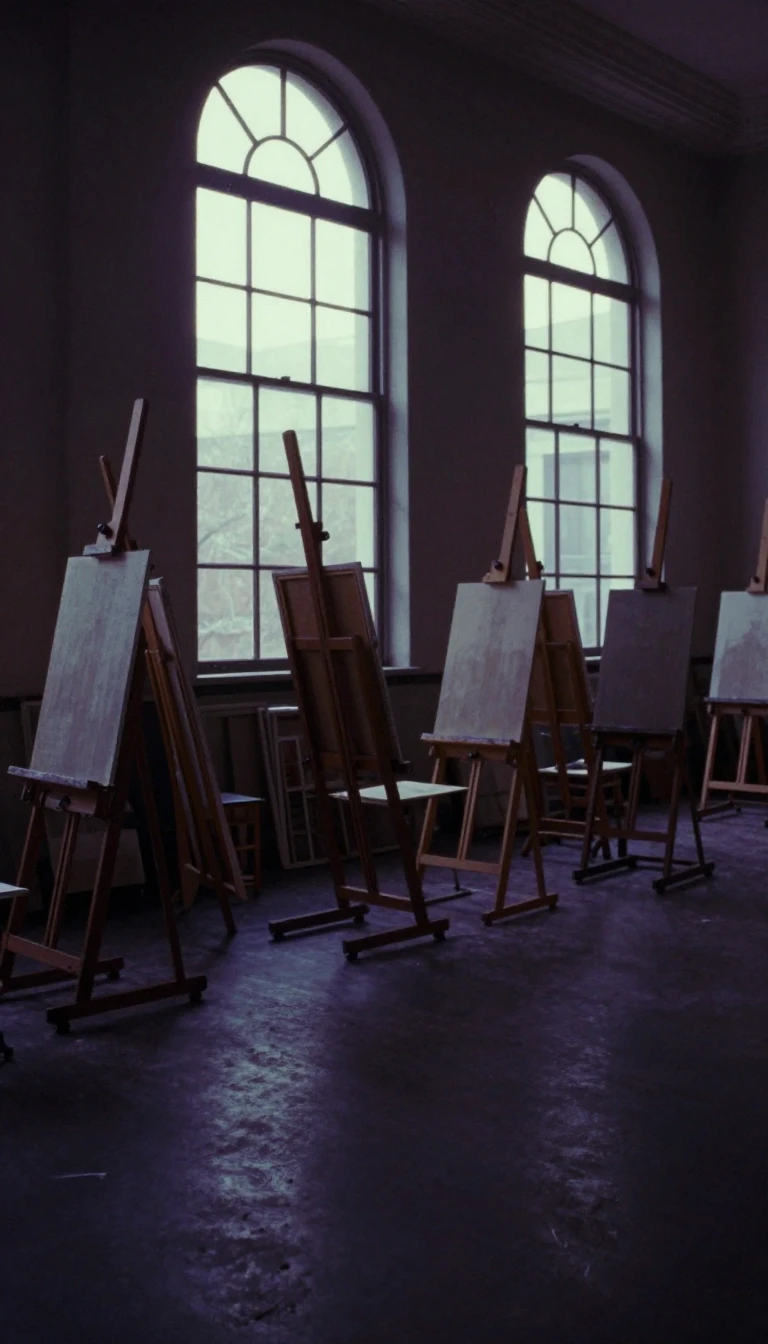
In short: In Peter Greenaway’s 1982 debut, a conceited draughtsman arrives at a Wiltshire estate to sketch twelve landscapes. He expects a simple commission, but he is actually being lured into a web of blackmail and murder. By the time he realizes he is the prey, his fate is already sealed.
Set in 1694, the film follows Mr. Neville, an artist contracted by Mrs. Virginia Herbert to document her country house. The arrangement includes a coercive sexual component, which Neville exploits with arrogance. However, the estate’s inhabitants, including the impotent son-in-law Mr. Talmann, have their own designs. As Neville completes his drawings, he inadvertently documents evidence of a conspiracy, eventually finding himself framed for the murder of the absent Mr. Herbert.
Greenaway, who trained as an artist, drew inspiration from his own sketching experiences. He insisted on a formal, painterly aesthetic, referencing Baroque masters like Caravaggio and Rembrandt. The film’s score, composed by Michael Nyman, mirrors this obsession with the past by layering modern melodies over grounds by Henry Purcell. This deliberate anachronism—much like the inclusion of a 17th-century cordless phone—highlights the director's playful, intellectual approach to period drama.
The narrative is famously dense and elliptical. An initial three-hour cut was trimmed to 103 minutes to improve pacing, leaving many plot points, such as the presence of a 'living statue' in the garden, intentionally unexplained. Critics have praised the film for its elegance and cruelty, noting how the final act forces viewers to re-evaluate the entire story. The supposed victims are revealed as cold-blooded predators, turning the draughtsman’s artistic precision into the very tool of his destruction.
The production was a landmark collaboration between the British Film Institute and Channel 4, each contributing £150,000. Over the decades, the film has undergone significant preservation efforts, including a digital restoration in 2003 and a high-definition 4K update released by the BFI four decades after the film's original premiere. It remains a definitive example of Greenaway’s unique, highly structured cinematic vision.
Opens the Intellect+ feed with this card first. Swipe up for the next one.
Sources
- Summary by Intellect · source: The Draughtsman's Contract
- Also: Wikidata — The Draughtsman's Contract · CC0
To cite this card, link to https://intellectplus.co.uk/app/entertainment-the-draughtsman-s-contract.
How we source, check and correct cards: Editorial standards.
General information, not professional advice. Spotted an error? Flag the card or see corrections and complaints.
Intellect Plus is a visual educational discovery platform for exploring fascinating facts and ideas. Brain Food, Not Brain Rot. What is Intellect Plus?
Related
More in Films · More in Entertainment · Latest · A–Z · All topics
