How a 1966 racing epic used real-life danger to redefine cinematic speed
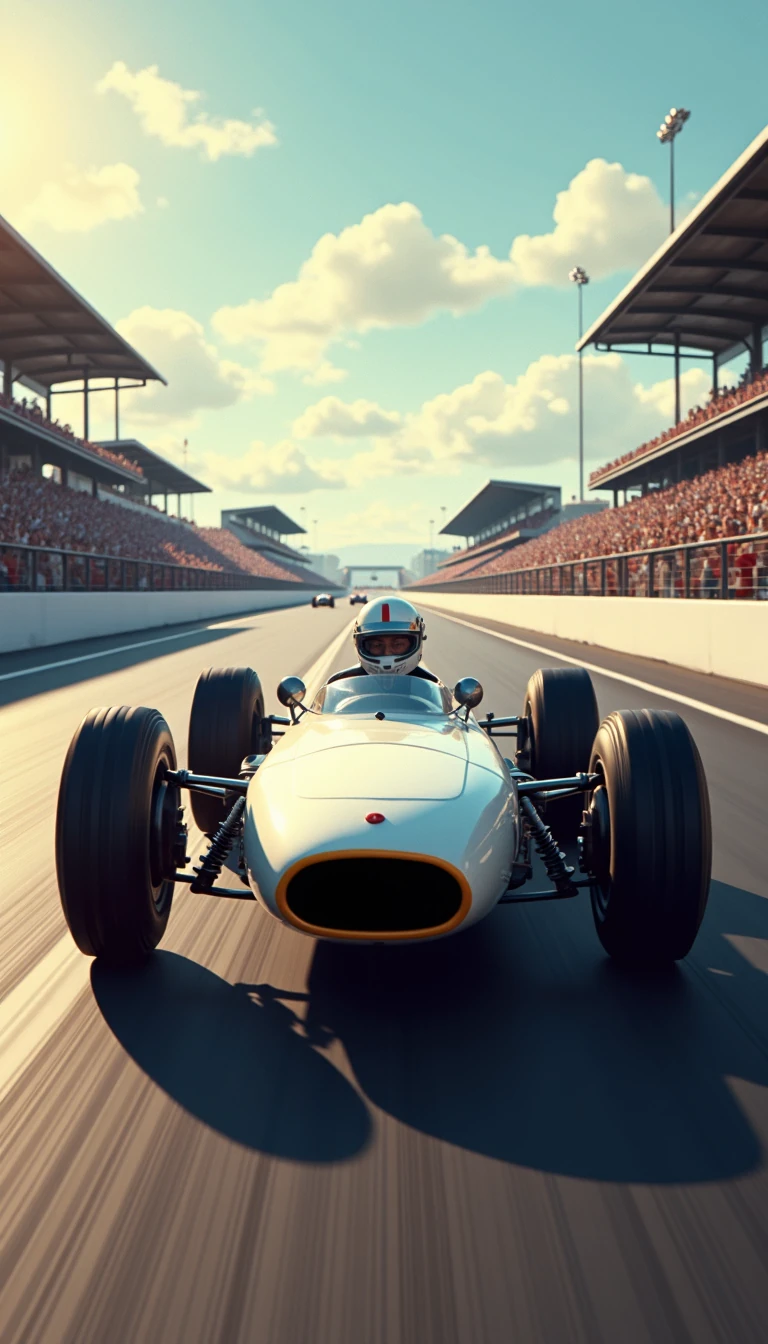
In short: Grand Prix was a technical marvel that blurred the line between fiction and reality. By mounting cameras on actual race cars and integrating footage from the 1966 Formula One season, director John Frankenheimer placed audiences directly into the driver's seat, creating a visceral experience that remains a landmark of sports filmmaking.
Released in 1966, Grand Prix was a massive undertaking that sought to capture the intensity of Formula One racing. Director John Frankenheimer, having chosen to focus on the human drama of the circuit, faced significant hurdles, including a rivalry with Steve McQueen’s delayed project, Le Mans. To gain access to the European racing establishment, the production team relied on connections with drivers like Phil Hill and Dan Gurney. Frankenheimer eventually secured unprecedented cooperation from Ferrari after showing management a montage of his footage, allowing his crew to film inside the factory alongside real racing vehicles.
The film’s technical achievements were groundbreaking. Cinematographer Lionel Lindon used Super Panavision 70, while Saul Bass introduced innovative split-screen montages to convey the chaos of the track. To achieve realistic speed, the crew used a Ford GT40 as a camera car, capturing early in-car footage that put viewers in the cockpit. The production was notoriously dangerous; filming on wet tracks led to several accidents, and the crew even built a cannon-like device to launch gutted cars for dramatic, high-speed crashes. Some of the most iconic racing sequences were captured by 1961 World Champion Phil Hill, who drove camera-equipped cars during actual 1966 Grand Prix events.
While the film won three Academy Awards—for Best Sound, Best Film Editing, and Best Sound Effects—critics were divided on its narrative. Reviewers like Bosley Crowther praised the technical spectacle but dismissed the characters as stereotypes. Actor James Garner, however, earned genuine respect for his driving ability; he trained with Bob Bondurant and performed his own stunts, including a scene where his car caught fire. Garner’s dedication was so profound that professionals suggested he could have been a successful racer himself. Decades later, the film is still celebrated for its technical mastery, even if its human drama is often viewed as a secondary element to the roaring, high-octane spectacle of the race itself.
Opens the Intellect+ feed with this card first. Swipe up for the next one.
Sources
- Summary by Intellect · source: Grand Prix (1966 film)
To cite this card, link to https://intellectplus.co.uk/app/entertainment-grand-prix-1966-film.
How we source, check and correct cards: Editorial standards.
General information, not professional advice. Spotted an error? Flag the card or see corrections and complaints.
Intellect Plus is a visual educational discovery platform for exploring fascinating facts and ideas. Brain Food, Not Brain Rot. What is Intellect Plus?
Related
More in Films · More in Entertainment · Latest · A–Z · All topics
