Why David Lean considered this 1946 masterpiece his greatest cinematic achievement
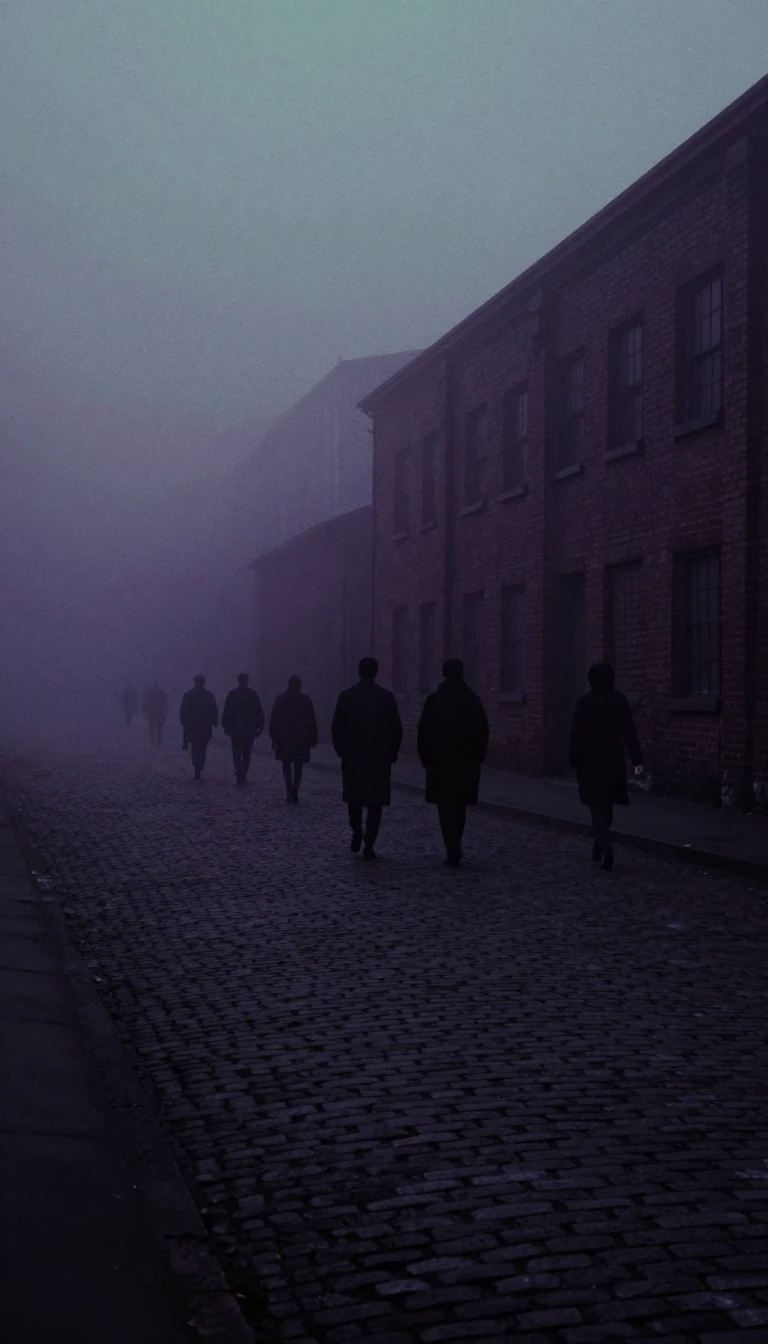
In short: David Lean’s adaptation of the Dickens classic remains a benchmark of British cinema. While Lean later directed massive epics, he famously agreed with fans who identified this 1946 drama as his finest work. Behind the scenes, the production was marked by intense creative friction, hidden graffiti, and technical brilliance.
The 1946 film adaptation of Charles Dickens' novel was born from a slimmed-down script written by David Lean, Ronald Neame, Anthony Havelock-Allan, Cecil McGivern, and Kay Walsh. The project was inspired by a 1939 stage version featuring Alec Guinness and Martita Hunt, both of whom reprised their roles for the screen. Despite the film's later acclaim, the production process was fraught with tension; actress Valerie Hobson described working with Lean as an unhappy experience, characterizing him as a cold director who offered little guidance.
Technical ingenuity defined the film's aesthetic, with the production team meticulously recreating Dickensian locations at Denham Film Studios. John Bryan and Wilfred Shingleton won an Academy Award for their art direction, and Guy Green secured an Oscar for cinematography—the first British film to achieve this feat. The film's attention to detail was so granular that a stray doodle of a 'Chad'—a popular wartime cartoon character—was accidentally left on a wall during filming, remaining visible in the final cut behind John Mills' shoulder during a climactic scene.
Critical reception has remained remarkably consistent over the decades. Upon release, it was hailed as a masterful translation of literature to screen, with reviewers like Pauline Kael praising its dramatic tension and visual contrasts. In 1999, the British Film Institute ranked it the fifth greatest British film of all time. Commercially, the film performed strongly, ranking as the third most successful movie at the British box office in 1947 and earning $2 million in North American rentals. By December 1949, it had generated a profit of £21,200 for the Rank organization, cementing its status as both a critical and financial success.
Opens the Intellect+ feed with this card first. Swipe up for the next one.
Sources
- Summary by Intellect · source: Great Expectations (1946 film)
To cite this card, link to https://intellectplus.co.uk/app/entertainment-great-expectations-1946-film.
How we source, check and correct cards: Editorial standards.
General information, not professional advice. Spotted an error? Flag the card or see corrections and complaints.
Intellect Plus is a visual educational discovery platform for exploring fascinating facts and ideas. Brain Food, Not Brain Rot. What is Intellect Plus?
Related
More in Films · More in Entertainment · Latest · A–Z · All topics
