Can a single crime reveal the moral divide of an entire nation?
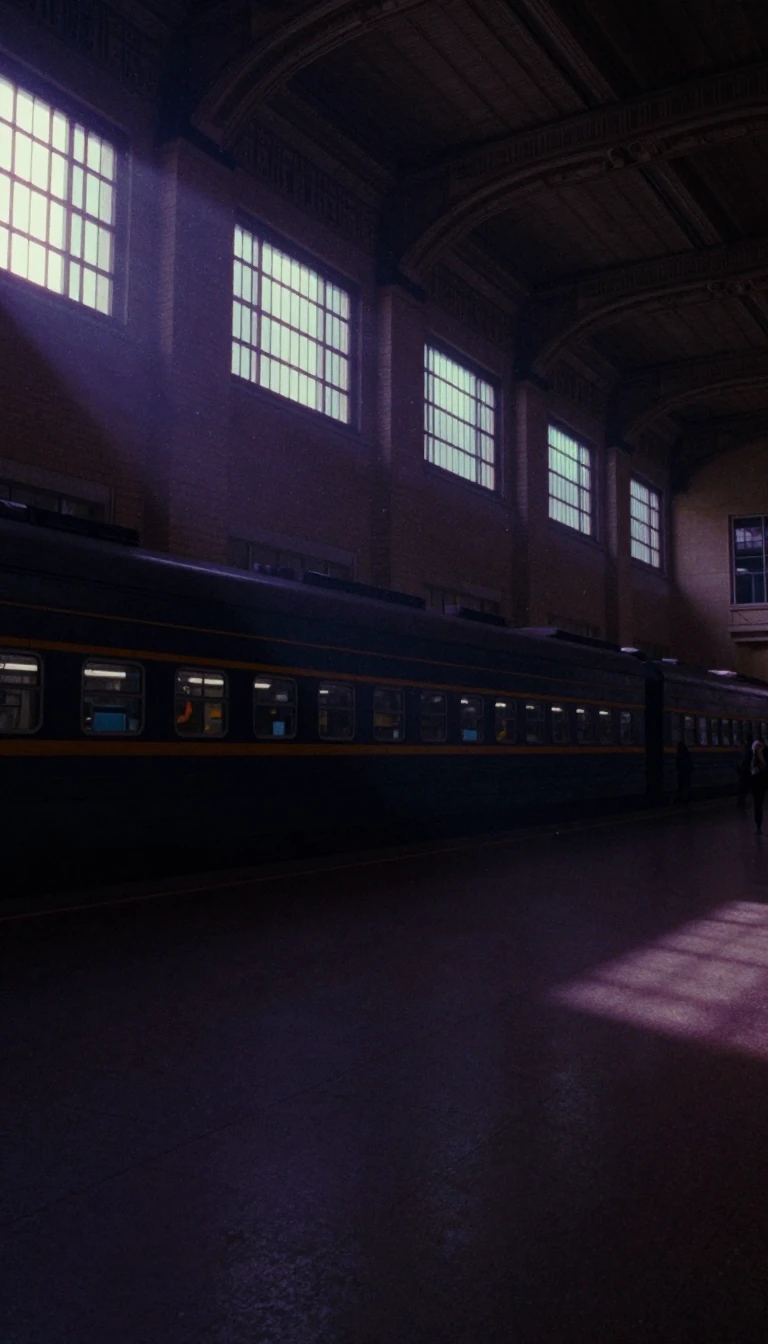
In short: Akira Kurosawa’s 1963 masterpiece High and Low transforms a simple kidnapping into a profound interrogation of Japanese class, consumerism, and morality. By contrasting a wealthy executive’s hilltop home with the desperate slums below, the film uses the police procedural genre to expose the hidden tensions of a rapidly modernizing society.
Released in 1963, High and Low was a loose adaptation of Evan Hunter’s 1959 novel King’s Ransom. Director Akira Kurosawa, working with writers Hideo Oguni, Eijirō Hisaita, and Ryūzō Kikushima, shifted the focus from a standard thriller to a social critique. The plot follows Kingo Gondō, a shoe company executive who finds his life savings and career jeopardized when a kidnapper mistakenly abducts his chauffeur’s son instead of his own. While the film begins with a high-stakes financial struggle, it evolves into a complex investigation of the moral obligations individuals owe to their community.
The film’s structure is famously divided into 'high' and 'low' planes of action, mirroring the Japanese title Tengoku to Jigoku—'Heaven and Hell.' Scholars like Donald Richie have compared this geography to Dante’s Divine Comedy, with Gondō’s house on the hill representing a heavenly vantage point that looks down upon the 'hell' of Yokohama’s slums. This spatial divide is reinforced by Kurosawa’s meticulous blocking and use of technology—such as telephones and cameras—to mediate the characters' relationships. These tools often mask the deep-seated social tensions between the wealthy protagonist and the kidnapper, Takeuchi, a medical intern driven by envy.
Beyond the narrative, the film serves as a time capsule of post-war Japan’s economic recovery. Critics note that the film captures the rise of international consumer culture, from the children’s Western-style clothing to the proliferation of modern luxuries. While some scholars view Kurosawa’s humanism as a way to bridge these social gaps, others argue the film remains reactionary, particularly in its final stance on capital punishment. By the end, the visual association between the two men suggests a shared psychology, leaving the audience to grapple with the uncomfortable reality that both the victim and the criminal are products of the same changing world.
Opens the Intellect+ feed with this card first. Swipe up for the next one.
Sources
- Summary by Intellect · source: High and Low (1963 film)
To cite this card, link to https://intellectplus.co.uk/app/entertainment-high-and-low-1963-film.
How we source, check and correct cards: Editorial standards.
General information, not professional advice. Spotted an error? Flag the card or see corrections and complaints.
Intellect Plus is a visual educational discovery platform for exploring fascinating facts and ideas. Brain Food, Not Brain Rot. What is Intellect Plus?
Related
More in Films · More in Entertainment · Latest · A–Z · All topics
