How a 2004 wuxia masterpiece turned unpredictable weather into a visual triumph
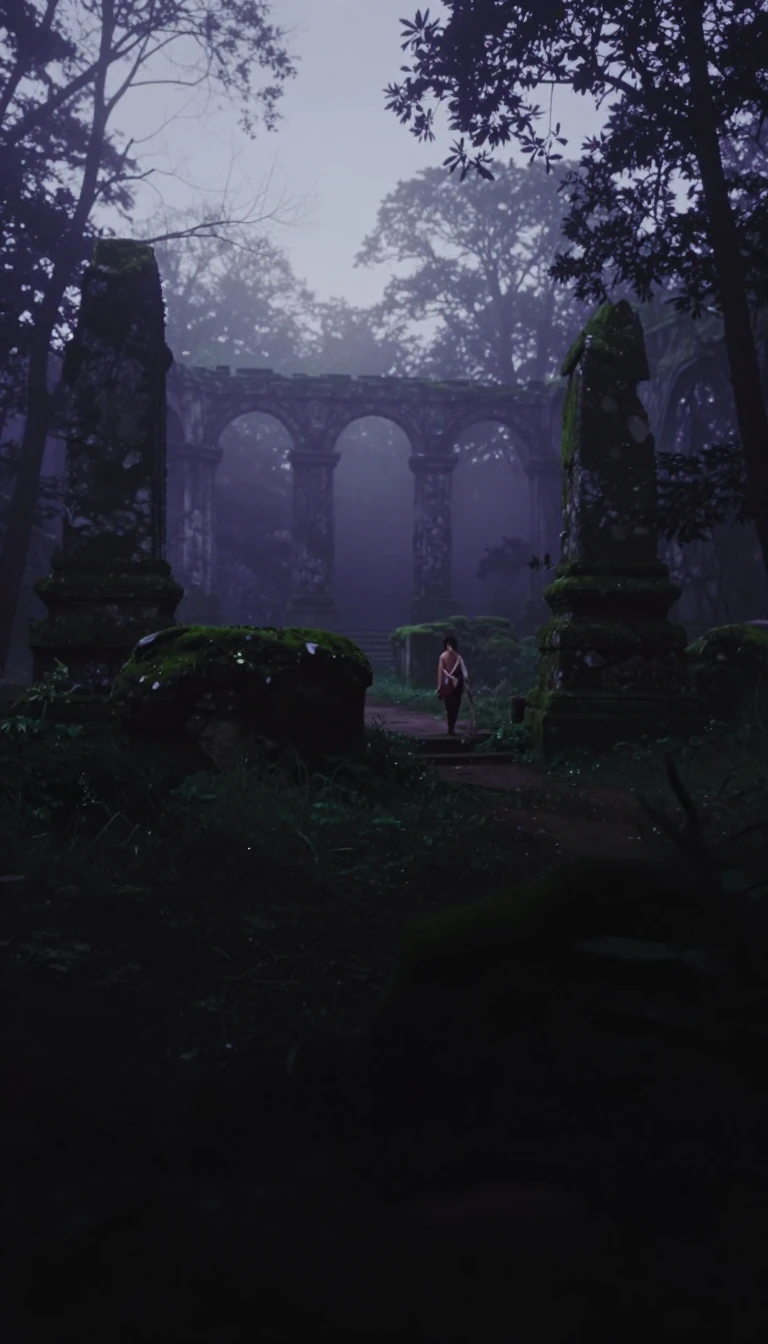
In short: Director Zhang Yimou’s House of Flying Daggers is celebrated for its breathtaking aesthetic, yet its production was a struggle against nature. Filmed in Ukraine’s Hutsul Region, the crew faced early snowfall that forced script changes on the fly. The result is a film that prioritizes visual splendor over narrative complexity.
Set in AD 859 during the decline of the Tang dynasty, the film follows two police officers, Liu and Jin, tasked with infiltrating the House of Flying Daggers, a rebel group. The plot centers on a blind dancer named Mei, who becomes the object of a complex deception involving love, duty, and betrayal. The narrative is heavily influenced by a famous poem by the Han dynasty poet Li Yannian, which describes a beautiful woman whose presence brings woe to men and nations alike.
The production was marked by significant challenges. While the iconic bamboo forest sequences were filmed in China, much of the movie was shot in Ukraine. The team spent 70 days in the Hutsul Region between September and October 2003. When early snow arrived while the trees still held their leaves, Zhang Yimou chose to adapt the script rather than wait for the thaw. This flexibility, combined with the director's deliberate use of wuxing color theory, helped create the film's signature look. Lead actress Zhang Ziyi prepared by living with a blind girl for two months, while actor Takeshi Kaneshiro performed several scenes while sitting or kneeling due to a horseback riding injury.
Upon its 2004 release, the film achieved significant critical and commercial success, grossing over $92 million worldwide. Despite not receiving an Academy Award nomination for Best Foreign Language Film, it was widely praised for its cinematography and visual imagination. Critics often noted that the film’s story was secondary to its technical execution, with Roger Ebert famously suggesting that the plot served primarily to connect spectacular scenes. The film remains a touchstone of wuxia cinema, dedicated to the memory of Anita Mui, who was originally cast in a major role but passed away before filming began.
Opens the Intellect+ feed with this card first. Swipe up for the next one.
Sources
- Summary by Intellect · source: House of Flying Daggers
- Also: Wikidata — House of Flying Daggers · CC0
- Also: Wikidata — Boston Society of Film Critics Award for Best Cinematography · CC0
To cite this card, link to https://intellectplus.co.uk/app/entertainment-house-of-flying-daggers.
How we source, check and correct cards: Editorial standards.
General information, not professional advice. Spotted an error? Flag the card or see corrections and complaints.
Intellect Plus is a visual educational discovery platform for exploring fascinating facts and ideas. Brain Food, Not Brain Rot. What is Intellect Plus?
Related
More in Films · More in Entertainment · Latest · A–Z · All topics
