Why Ingmar Bergman’s most haunting film is named after a mythical hour of death
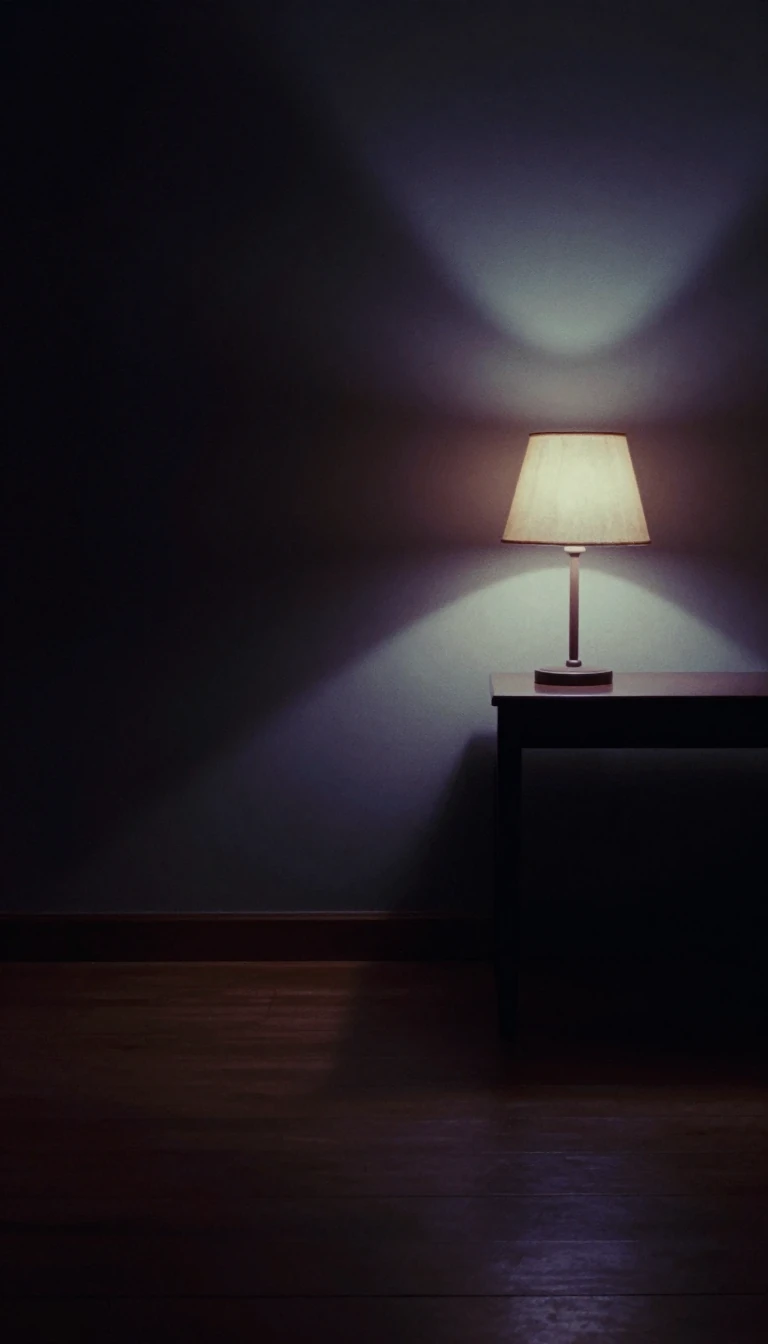
In short: In the darkest stretch between night and dawn, the sleepless are said to be haunted by their deepest anxieties. Ingmar Bergman’s 1968 psychological horror film, Hour of the Wolf, explores this threshold, where the line between artistic genius, nightmarish visions, and total psychological disintegration begins to dissolve into pure terror.
The film follows Johan Borg, a painter living on the island of Baltrum with his wife, Alma. As Johan’s insomnia worsens, he reveals to Alma that he is plagued by grotesque, named visions—the Birdman, the Insects, and the Meat-Eaters—which eventually manifest as a group of predatory aristocrats at a nearby castle. Bergman, who wrote the screenplay while experiencing his own personal 'hour of the wolf,' drew from his recurring nightmares, his childhood traumas, and the works of E. T. A. Hoffmann and Mozart to craft this descent into madness.
The term itself refers to the period between 3 a.m. and 5 a.m., a concept Bergman claimed to have found in a Latin source, though folklorists have noted it lacks roots in traditional Swedish legend. For Bergman, it was the time when most births and deaths occur, and when the demons of the mind are most powerful. The film serves as a visceral examination of the self-destructive artist, with critics often interpreting Johan as an alter ego for the director himself, struggling to maintain a grip on reality while his identity is slowly consumed by his own creations.
While initially met with negative reviews in Sweden, the film has since been reclaimed as a masterpiece of gothic horror. It is frequently grouped with Shame and The Passion of Anna as part of the 'Fårö trilogy,' which explores the intrusion of violence into ordinary lives. Through its surreal, near-expressionist style and the stark performances of Max von Sydow and Liv Ullmann, the film remains a profound, if unsettling, meditation on the impossibility of truly knowing another person, even those we love most.
Opens the Intellect+ feed with this card first. Swipe up for the next one.
Sources
- Summary by Intellect · source: Hour of the Wolf
- Also: Wikidata — Hour of the Wolf · CC0
- Also: Wikidata — Hour of the Wolf · CC0
To cite this card, link to https://intellectplus.co.uk/app/entertainment-hour-of-the-wolf.
How we source, check and correct cards: Editorial standards.
General information, not professional advice. Spotted an error? Flag the card or see corrections and complaints.
Intellect Plus is a visual educational discovery platform for exploring fascinating facts and ideas. Brain Food, Not Brain Rot. What is Intellect Plus?
Related
More in Films · More in Entertainment · Latest · A–Z · All topics
