How a rejected, whimsical book became a high-stakes, record-breaking animated masterpiece
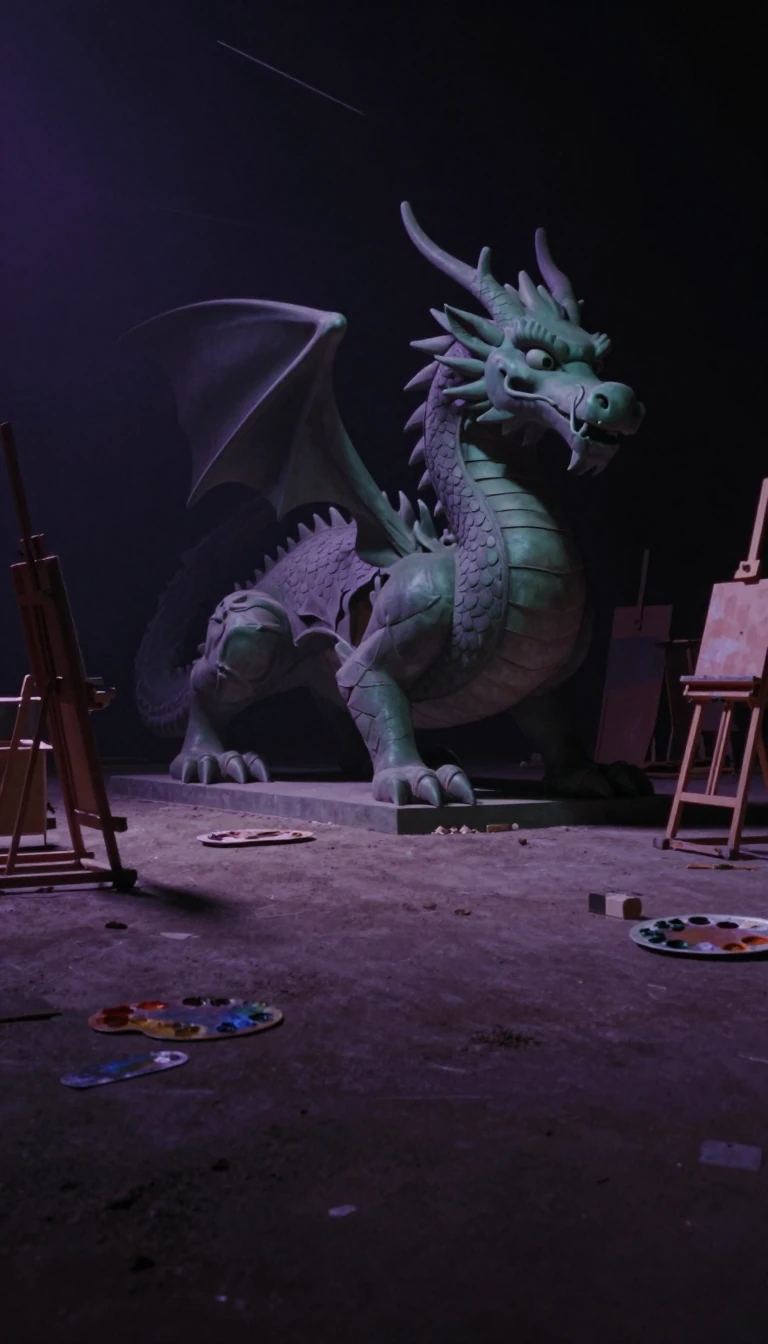
In short: DreamWorks Animation transformed a lighthearted children's novel into a visually stunning, emotionally resonant epic. By replacing a small garden dragon with the powerful Night Fury and hiring a live-action cinematographer to guide the aesthetic, the studio created a film that soared past expectations to become a global, multi-billion dollar franchise.
In 2004, DreamWorks Animation acquired the rights to Cressida Cowell’s book series, but the initial development phase was fraught with creative friction. Early versions of the screenplay remained strictly loyal to the source material, which directors Lorna Cook, David Soren, and Peter Hastings found too whimsical for the studio’s commercial goals. Fearing the story was too geared toward very young children, the studio replaced the original team with Chris Sanders and Dean DeBlois, who had previously collaborated on Disney’s Lilo & Stitch. They overhauled the narrative, transforming Toothless from a small, common dragon into a rare, aerodynamic Night Fury capable of carrying a human rider.
To achieve a distinct visual identity, the filmmakers brought in cinematographer Roger Deakins as a visual consultant. Deakins, known for his work with the Coen brothers, was tasked with adding a live-action feel to the animation, specifically focusing on lighting and the physics of flight. This decision proved pivotal for the film’s 3D sequences, which were a major marketing draw. The production also prioritized the vocal performances, frequently bringing the secondary cast together in recording sessions to encourage natural improvisation, which added a layer of wit and spontaneity to the Viking characters.
The film’s 2010 release was marked by intense industry maneuvering, including a high-pressure distribution strategy by Paramount Pictures to secure 3D screens against competitors like Clash of the Titans. Despite the behind-the-scenes tension, the film was a massive success, earning $495 million worldwide and garnering critical acclaim for its dramatic depth and technical prowess. While some critics, such as Roger Ebert, felt the spectacle occasionally overshadowed the character development, the film’s emotional core—the bond between Hiccup and his dragon—resonated deeply with audiences. It ultimately spawned a sprawling franchise, including two sequels, a television series, and a 2025 live-action remake.
Opens the Intellect+ feed with this card first. Swipe up for the next one.
Sources
- Summary by Intellect · source: How to Train Your Dragon (2010 film)
To cite this card, link to https://intellectplus.co.uk/app/entertainment-how-to-train-your-dragon-2010-film.
How we source, check and correct cards: Editorial standards.
General information, not professional advice. Spotted an error? Flag the card or see corrections and complaints.
Intellect Plus is a visual educational discovery platform for exploring fascinating facts and ideas. Brain Food, Not Brain Rot. What is Intellect Plus?
Related
More in Animated series & cartoons · More in Entertainment · Latest · A–Z · All topics
