Why Alfred Hitchcock’s 1953 thriller I Confess became a forgotten masterpiece of religious tension
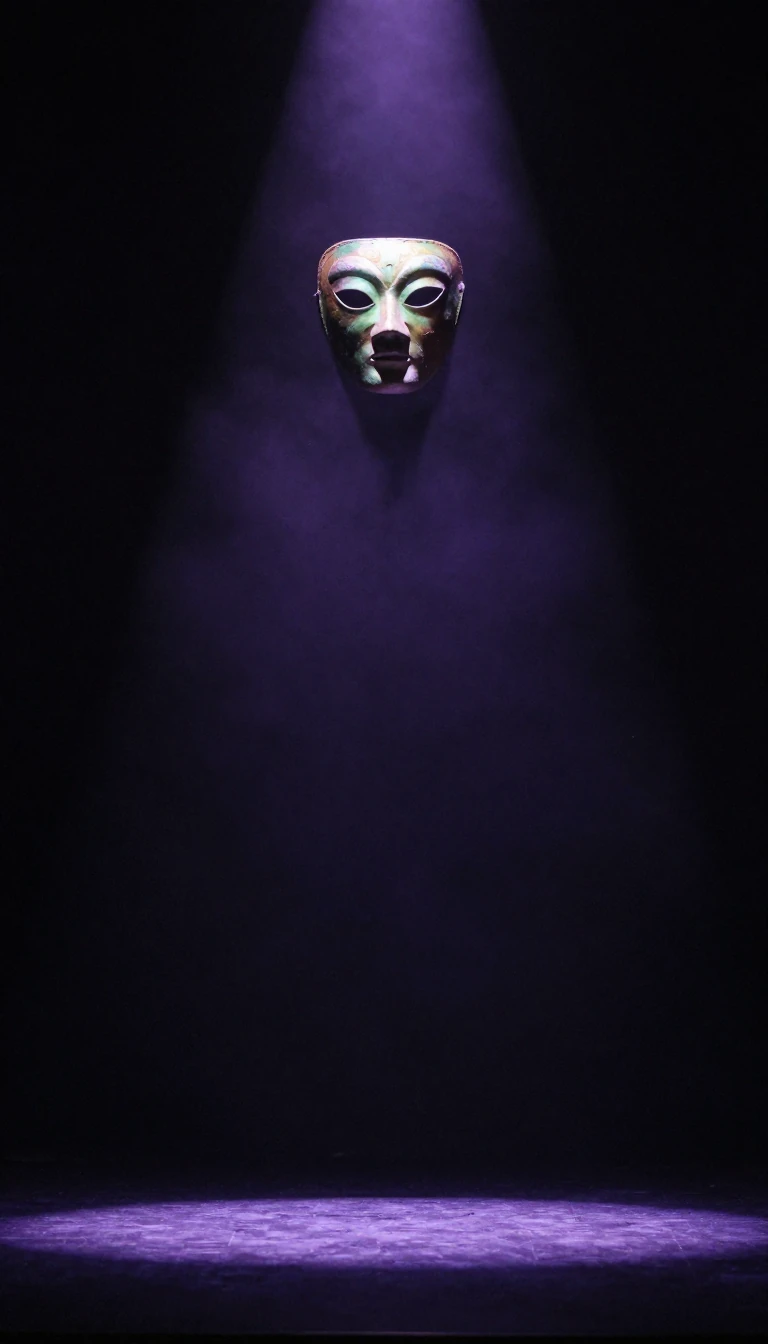
In short: Alfred Hitchcock’s I Confess explores the agonizing silence of a priest bound by the seal of the confessional after a murderer confesses to him. Filmed on location in Quebec, this atmospheric noir pits the rigid requirements of faith against the relentless, fallible machinery of human justice and public suspicion.
The film follows Father Michael William Logan, a devout priest in Quebec City who finds himself the prime suspect in a murder case. The true killer, Otto Keller, is a church caretaker who confesses his crime to Logan, knowing the priest is duty-bound to keep the secret inviolate. As police inspector Larrue closes in, Logan’s past romance with a married woman, Ruth Grandfort, provides the prosecution with a motive and destroys his alibi, leaving him trapped between his sacred vows and the threat of execution.
Production was notoriously difficult, spanning eight years of script development with nearly 12 writers. Hitchcock struggled to adapt the 1902 French play Nos deux consciences, eventually removing controversial elements like an illegitimate child and the priest's execution to appease Warner Bros. executives. The director also clashed with Montgomery Clift, whose Method acting style frustrated Hitchcock’s preference for precise, storyboarded instruction. Even the local diocese initially rescinded filming permission after reading the script, forcing further rewrites.
Upon its 1953 release, the film received mixed reviews. Critics like Bosley Crowther dismissed it as a "suspenseless" and "padded" effort, while others questioned the credibility of a priest remaining silent in the face of a murder charge. However, the film has since been reclaimed as a "flawed masterpiece." It remains a favorite of French New Wave filmmakers and is often cited as Hitchcock’s most explicitly Catholic work, exploring the metaphysical tension between divine law and human chaos.
The film’s legacy persists through its unique place in cinema history. It was banned in Ireland for its depiction of a priest’s past romance and later served as the backdrop for the 1995 film The Confessionnal. Today, it holds an 81% rating on Rotten Tomatoes, standing as a somber, atmospheric study of faith, doubt, and the heavy burden of secrets.
Opens the Intellect+ feed with this card first. Swipe up for the next one.
Sources
- Summary by Intellect · source: I Confess (film)
To cite this card, link to https://intellectplus.co.uk/app/entertainment-i-confess-film.
How we source, check and correct cards: Editorial standards.
General information, not professional advice. Spotted an error? Flag the card or see corrections and complaints.
Intellect Plus is a visual educational discovery platform for exploring fascinating facts and ideas. Brain Food, Not Brain Rot. What is Intellect Plus?
Related
More in Films · More in Entertainment · Latest · A–Z · All topics
