Why Michelangelo Antonioni’s most personal film was once dismissed as cold and inhuman
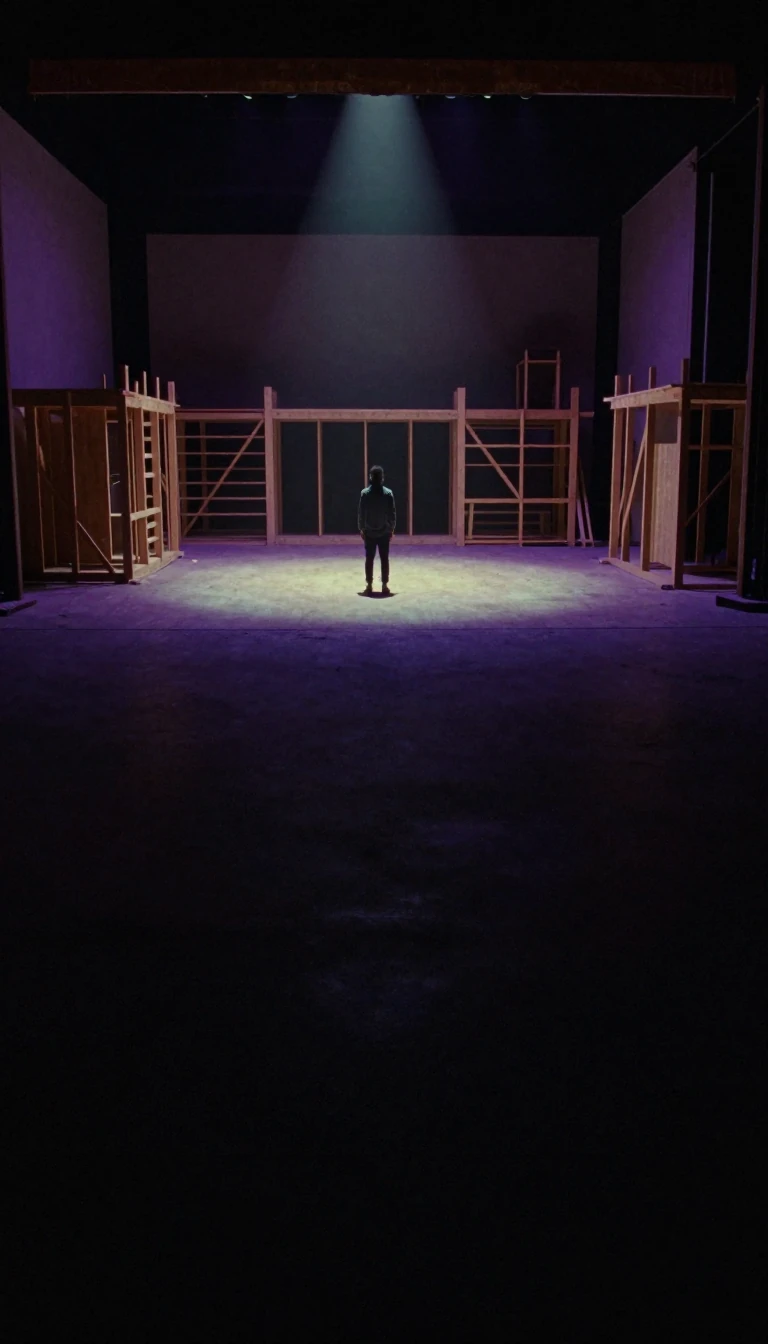
In short: Michelangelo Antonioni’s 1957 road drama Il Grido remains a haunting outlier in his filmography. While it won the Golden Leopard at the Locarno Film Festival, its initial domestic reception was so disastrously negative that the director was forced to abandon cinema for theatre until his 1960 comeback with L'Avventura.
Il Grido, or The Cry, follows Aldo, a sugar refinery worker in the Po Valley, who descends into a state of aimless wandering after his long-term partner, Irma, ends their relationship. Unlike the bourgeois protagonists who dominate much of Antonioni’s later work, Aldo is a member of the working class. This choice was rare for the director, who noted that only this film and his 1947 short documentary Gente del Po focused on working-class concerns. The film captures a man unable to reconcile with the loss of love, a trait critics like Mira Liehm suggest foreshadows the emotional detachment seen in later Antonioni characters like Sandro in L'Avventura.
The production was marked by significant tension. Antonioni struggled with his American leads, noting that Steve Cochran frequently ignored his direction, while Betsy Blair demanded exhaustive explanations for her dialogue. The film’s tone, which Antonioni later attributed to his own state of depression during the period, was perceived by many contemporary Italian critics as bleak and inhuman. This harsh reception led to a poor box office performance, earning only 25 million lire during its initial release. It was not until later that scholars like Seymour Chatman identified it as a critical success, praising its emotional depth.
The film’s final sequence remains a subject of intense debate among scholars. After returning to his former workplace, Aldo climbs a refinery tower and falls to his death as Irma watches from below. While some critics, such as Gérard Gozlan, interpret the act as a deliberate suicide, others point to the original screenplay, which suggests Aldo is overcome by a sudden, disorienting bout of vertigo. Peter Brunette argues that the ambiguity is intentional, leaving the viewer to decide whether the fall was a final act of despair or a tragic accident. In 2024, the film was restored to include previously censored scenes, allowing modern audiences to re-evaluate this pivotal, transitional work.
Opens the Intellect+ feed with this card first. Swipe up for the next one.
Sources
- Summary by Intellect · source: Il Grido
- Also: Wikidata — Il grido · CC0
- Also: Wikidata — Il Grido · CC0
To cite this card, link to https://intellectplus.co.uk/app/entertainment-il-grido.
How we source, check and correct cards: Editorial standards.
General information, not professional advice. Spotted an error? Flag the card or see corrections and complaints.
Intellect Plus is a visual educational discovery platform for exploring fascinating facts and ideas. Brain Food, Not Brain Rot. What is Intellect Plus?
Related
More in Films · More in Entertainment · Latest · A–Z · All topics
