When enemies crash-land in the Norwegian wilderness, survival forces an unlikely, fragile truce.
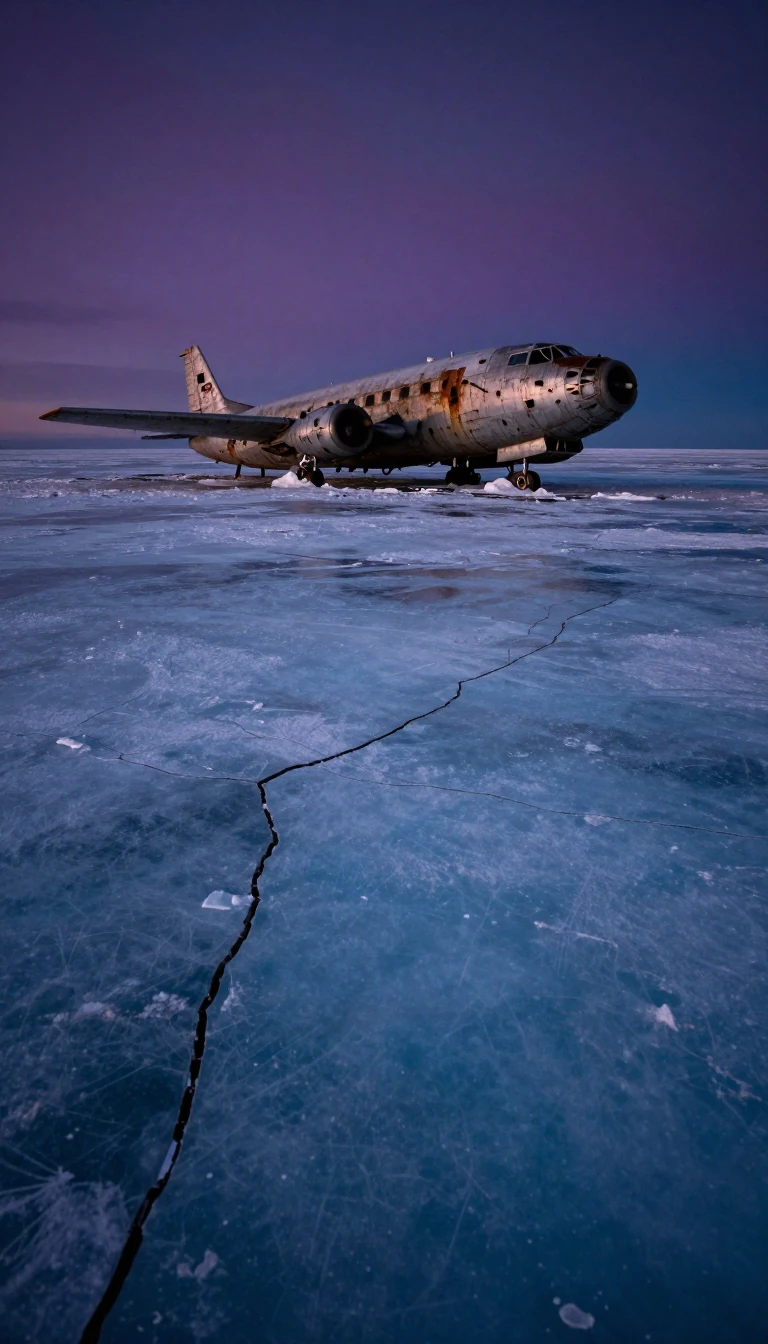
In short: In 1940, a Luftwaffe bomber and a Royal Navy fighter collided near Grotli, Norway. Stranded in a remote hunter's cabin, the surviving airmen faced a brutal choice: kill each other or cooperate to survive the freezing snowstorm. The resulting story of humanity amidst war inspired the 2012 film Into the White.
The 2012 film Into the White, directed by Petter Næss, dramatizes a real-life encounter during the Norwegian campaign of World War II. On 27 April 1940, a German Heinkel He 111 and a British Blackburn Skua crashed near Grotli. The survivors, including German pilot Horst Schopis and British Captain R.T. Partridge, found themselves sharing a deserted reindeer hunter's cabin. While the film depicts a tense standoff involving amputations and roof collapses, the historical reality was a desperate struggle for warmth and sustenance in a desolate, high-altitude environment.
Historical accounts reveal that the British airmen initially convinced the Germans they were crew from a different type of bomber to avoid immediate conflict. The men eventually shared food and shelter, with the British officers later locating a closed hotel to find help. Tragically, when they encountered a Norwegian ski patrol, the German crew member Karl-Heinz Strunk was shot and killed after a misunderstanding. The remaining survivors were taken as prisoners, with the Germans eventually sent to camps in Canada until 1947.
The film, which features a realistic mock-up of the Heinkel bomber, has been noted for its stage-like, claustrophobic atmosphere. While the movie takes creative liberties—changing character names and intensifying the cabin drama—the core connection between the men persisted. Decades later, Schopis and Partridge both wrote memoirs about their experiences. In 1977, long after the war concluded, the two former enemies reconnected when Partridge called Schopis at his home in Munich, leading to a reunion in London that bridged the divide of their wartime past.
The legacy of the incident remains tangible in the Norwegian mountains. The original Heinkel wreck still sits 1,000 meters above sea level, untouched in the snow. Meanwhile, the British Skua was recovered in 1974 and is displayed at the Fleet Air Arm Museum. Although the film received mixed critical reviews for its slow pacing, it serves as a cinematic reflection on how extreme circumstances can temporarily dissolve the rigid boundaries of national conflict.
Opens the Intellect+ feed with this card first. Swipe up for the next one.
Sources
- Summary by Intellect · source: Into the White
- Also: Wikidata — Into the White · CC0
- Also: Wikidata — Into the White · CC0
To cite this card, link to https://intellectplus.co.uk/app/entertainment-into-the-white.
How we source, check and correct cards: Editorial standards.
General information, not professional advice. Spotted an error? Flag the card or see corrections and complaints.
Intellect Plus is a visual educational discovery platform for exploring fascinating facts and ideas. Brain Food, Not Brain Rot. What is Intellect Plus?
Related
More in Films · More in Entertainment · Latest · A–Z · All topics
