How a risky 1990 horror miniseries defied network television's reputation for being timid
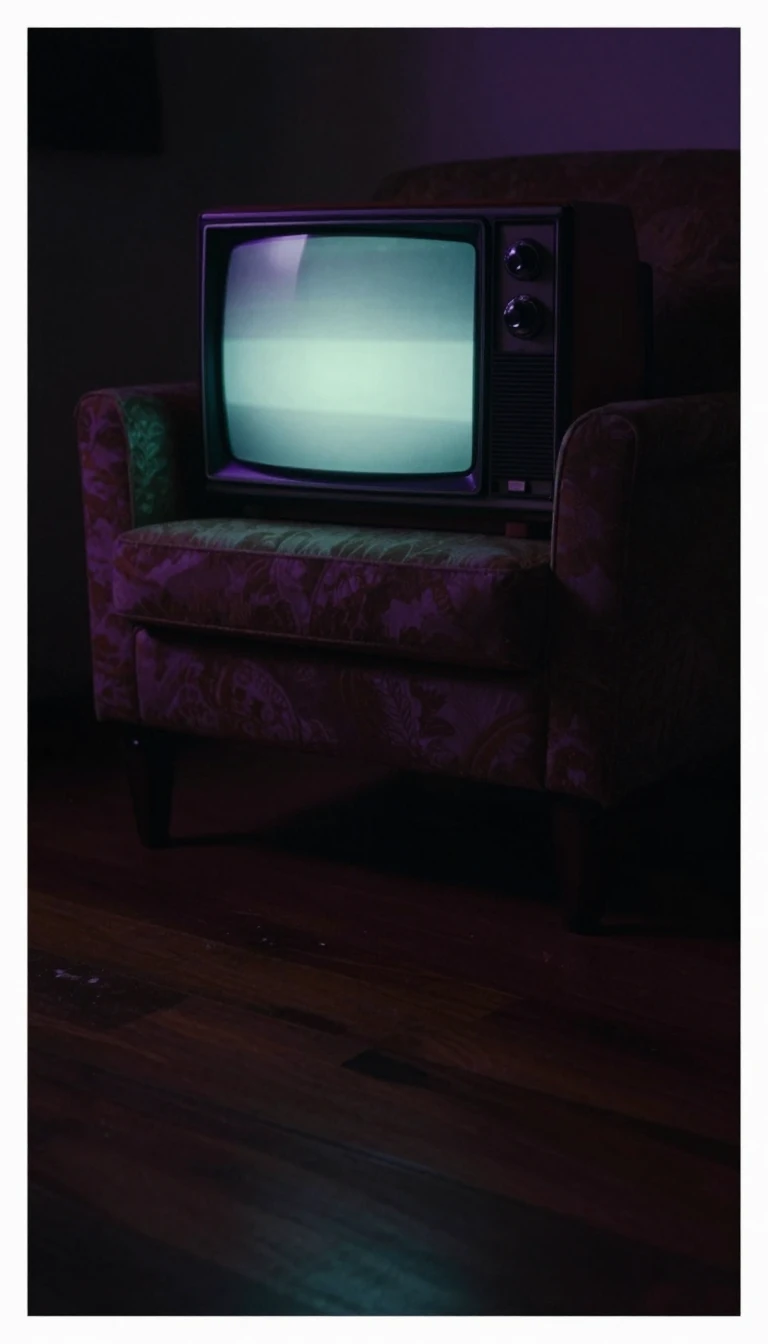
In short: When ABC green-lit a television adaptation of Stephen King's massive novel, industry experts expected failure. Television was considered too cautious to capture genuine horror, and the project faced significant hurdles, including a high budget and strict censorship. Yet, the production became a massive success, captivating 30 million viewers across two nights.
In 1990, the landscape for horror on television was bleak. Networks favored sitcoms and soap operas, often hampered by low budgets and restrictive censorship that made depicting children in peril—a central theme of the story—nearly impossible. Stephen King himself was skeptical, believing the medium was too unimaginative to handle his work. Despite these concerns, ABC moved forward with the project, aiming to capitalize on the popularity of long-form novel adaptations during that era.
The production, helmed by Tommy Lee Wallace and scripted by Lawrence D. Cohen, required a $12 million budget, double the standard television allotment at the time. Filming took place over three months in Vancouver. To attract casual viewers who might otherwise avoid horror, the producers cast well-known actors like John Ritter and Harry Anderson, rather than genre staples. Tim Curry was selected to play the antagonist, Pennywise, a shapeshifting entity that exploits the deepest phobias of its victims.
The narrative spans two distinct eras: 1960, when a group of outcasts known as the Losers Club first confronts the creature, and 1990, when they return to Derry, Maine, to finish the fight. The miniseries faced external challenges, including competition from news coverage of President George H. W. Bush's foreign travels. Despite mixed critical reception, it became ABC's biggest success of the year. While some critics questioned the appropriateness of airing such intense horror on broadcast television, the show secured two awards, including an Emmy for Richard Bellis' musical score.
The legacy of the miniseries is largely tied to Curry's performance, which remains a benchmark for scary clown portrayals. The production was notable for its commitment to realism, with actors often avoiding Curry on set to maintain the tension. Although the adaptation had to condense a 1,000-page novel into four hours, it proved that television could successfully execute high-stakes horror, defying the industry's prevailing timidity.
Opens the Intellect+ feed with this card first. Swipe up for the next one.
Sources
- Summary by Intellect · source: It (miniseries)
- Also: Wikidata — It · CC0
To cite this card, link to https://intellectplus.co.uk/app/entertainment-it-miniseries.
How we source, check and correct cards: Editorial standards.
General information, not professional advice. Spotted an error? Flag the card or see corrections and complaints.
Intellect Plus is a visual educational discovery platform for exploring fascinating facts and ideas. Brain Food, Not Brain Rot. What is Intellect Plus?
Related
More in TV series · More in Entertainment · Latest · A–Z · All topics
