How a 12-year-old orphan became the unlikely centerpiece of Soviet cinematic history
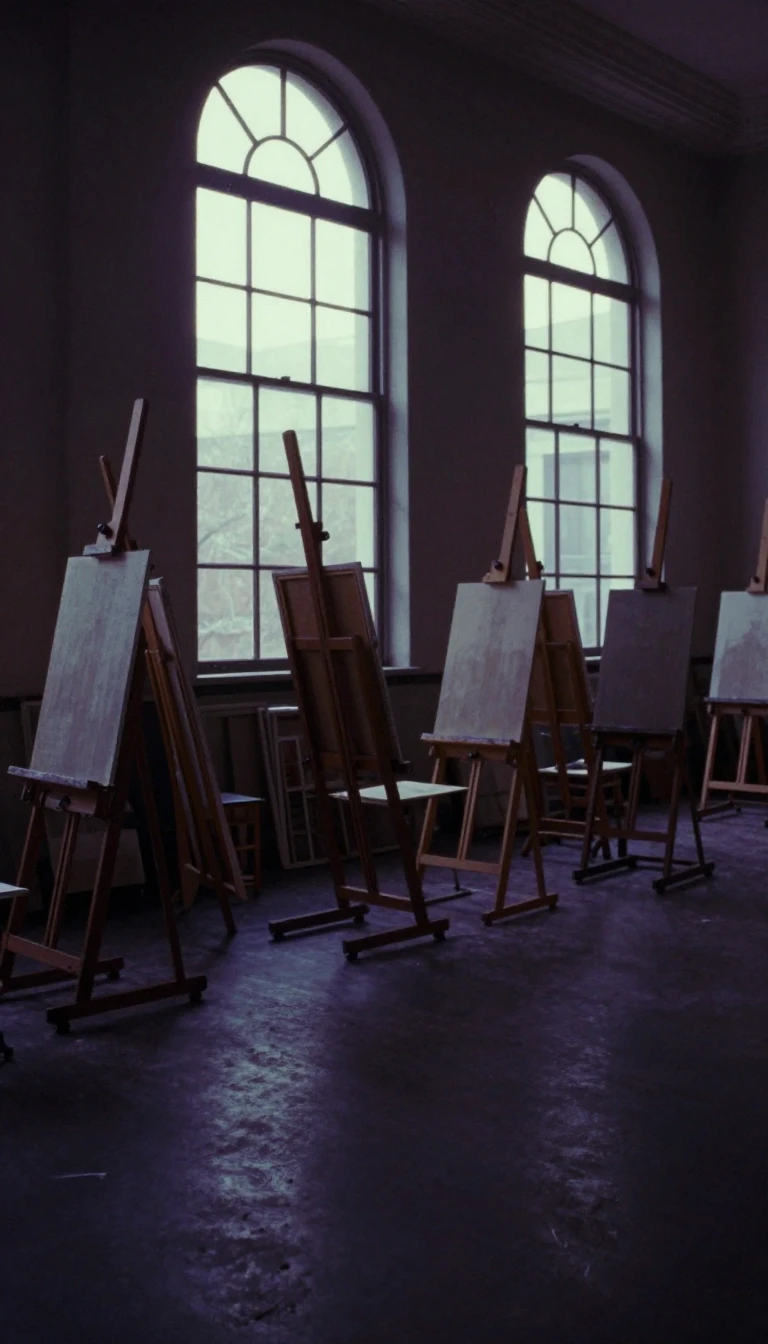
In short: Andrei Tarkovsky’s 1962 debut, Ivan's Childhood, shattered the Soviet tradition of glorifying war. By focusing on a young boy’s lost innocence rather than heroic combat, the film earned international acclaim and influenced masters like Ingmar Bergman. It remains a haunting, lyrical meditation on the human cost of conflict.
Based on Vladimir Bogomolov’s 1957 short story, the film follows Ivan, an orphan seeking revenge after German forces kill his family. Unlike earlier Soviet war films that served state narratives, Tarkovsky’s work highlights the psychological toll of violence. The director famously chose to focus on childhood because he believed it provided the sharpest contrast to the brutality of war, aiming to convey his own deep-seated hatred for the conflict.
The production was fraught with difficulty. An initial attempt by director Eduard Abalov was terminated in December 1960 after the arts council deemed the quality unsatisfactory. Tarkovsky took over the project in June 1961, collaborating with cinematographer Vadim Yusov to craft a distinct visual language. They utilized tracking shots and an omnipresent, poetic depiction of nature to frame the narrative, marking a departure from the Stalinist era's instrumentalized view of the environment.
The film’s ending was a point of contention. Screenwriter Mikhail Papava originally proposed a version where Ivan survives and is liberated from a concentration camp, but Bogomolov insisted on adhering to his original, bleaker source material. The final result, which shows Ivan’s tragic death at the hands of the Germans, resonated globally. It won the Golden Lion at the 1962 Venice Film Festival and sold 16.7 million tickets in the Soviet Union.
Intellectuals and filmmakers were captivated by the film’s emotional depth. Ingmar Bergman described discovering the movie as a miracle, feeling as though he had finally been handed the keys to a room he had long wanted to enter. While Tarkovsky later expressed personal dissatisfaction with certain scenes, the film’s legacy is cemented by its influence on directors like Sergei Parajanov and Krzysztof Kieślowski, and its 2016 digital restoration.
Opens the Intellect+ feed with this card first. Swipe up for the next one.
Sources
- Summary by Intellect · source: Ivan's Childhood
- Also: Wikidata — Ivan's Childhood · CC0
To cite this card, link to https://intellectplus.co.uk/app/entertainment-ivan-s-childhood.
How we source, check and correct cards: Editorial standards.
General information, not professional advice. Spotted an error? Flag the card or see corrections and complaints.
Intellect Plus is a visual educational discovery platform for exploring fascinating facts and ideas. Brain Food, Not Brain Rot. What is Intellect Plus?
Related
More in Films · More in Entertainment · Latest · A–Z · All topics
