How a massive 400-pound puppet redefined the limits of stop-motion animation
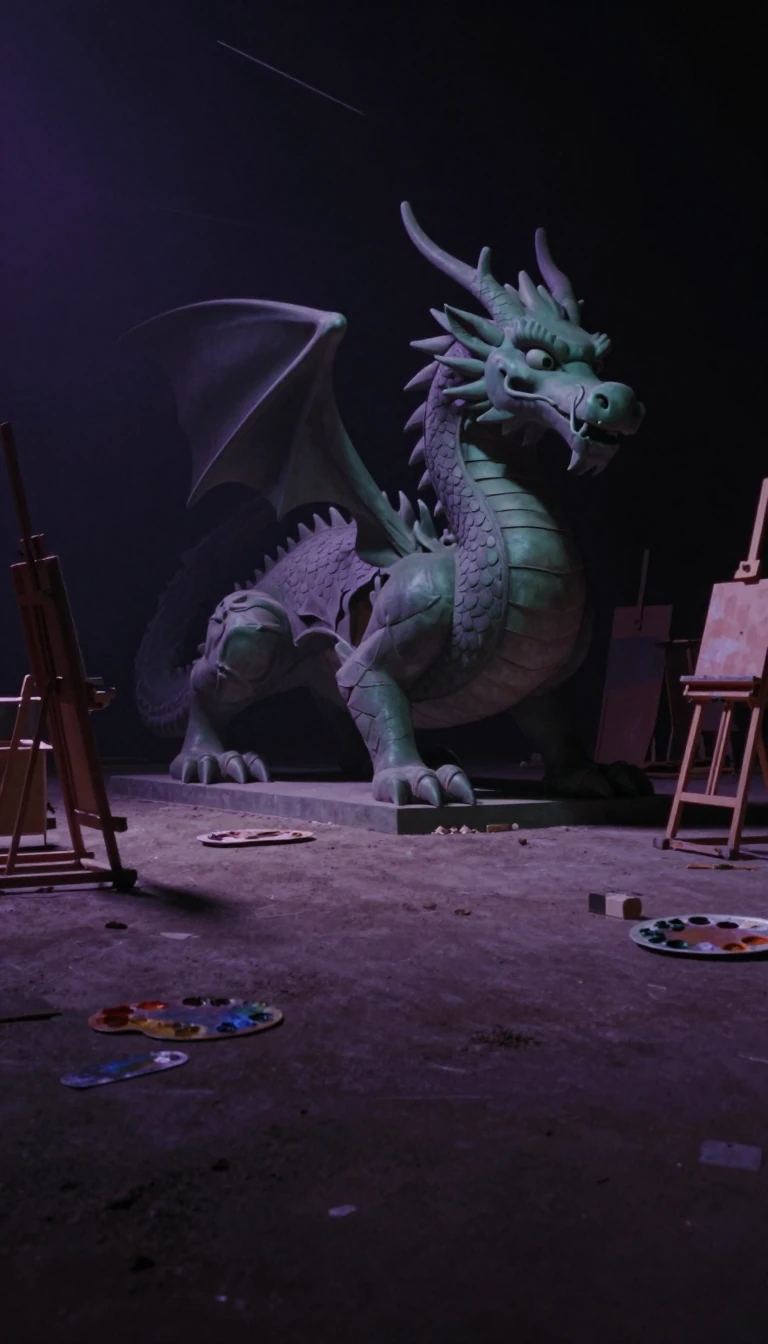
In short: Laika’s 2016 epic Kubo and the Two Strings pushed stop-motion to its physical limits. To capture a giant skeleton, the studio built a 16-foot, 400-pound puppet, setting a record for the largest of its kind. This technical marvel was just one piece of a film that blended ancient folklore with modern innovation.
Directed by Travis Knight, Kubo and the Two Strings was a bold departure for Laika, moving the studio into the realm of epic fantasy set in feudal Japan. The production was deeply influenced by Japanese art forms, including ink wash painting, origami, and the ukiyo-e woodblock printing style. Knight specifically cited the work of 20th-century graphic artist Kiyoshi Saito as a visual touchstone, aiming to make the film feel like a moving woodblock print.
The film’s technical ambition was matched by its narrative complexity. To bring the giant skeleton to life, the team constructed a 16-foot, 400-pound puppet, which required a custom-designed robot for manipulation after an industrial model purchased on eBay failed to meet their needs. This massive structure was built in two parts and held together by magnets, showcasing the lengths to which the studio went to avoid the limitations of smaller, less interactive models.
Despite universal critical acclaim for its craftsmanship and storytelling, the film faced significant box office challenges. It grossed $77.5 million worldwide against a $60 million budget, falling short of commercial expectations. While it earned nominations for two Academy Awards—Best Animated Feature and Best Visual Effects—it also drew criticism regarding its casting, as the primary voice cast was largely white despite the film's setting in ancient Japan.
Ultimately, the film remains a landmark for its fusion of traditional stop-motion with modern 3D printing technologies, facilitated by a partnership with Stratasys. Its legacy lies in its refusal to talk down to its audience, offering a melancholic, sophisticated narrative that explores the power of memory and the strength of human connection, even when the box office results did not match the critical reception.
Opens the Intellect+ feed with this card first. Swipe up for the next one.
Sources
- Summary by Intellect · source: Kubo and the Two Strings
- Also: Wikidata — Kubo and the Two Strings · CC0
- Also: Wikidata — Kubo and the Two Strings – Original Motion Picture Soundtrack · CC0
To cite this card, link to https://intellectplus.co.uk/app/entertainment-kubo-and-the-two-strings.
How we source, check and correct cards: Editorial standards.
General information, not professional advice. Spotted an error? Flag the card or see corrections and complaints.
Intellect Plus is a visual educational discovery platform for exploring fascinating facts and ideas. Brain Food, Not Brain Rot. What is Intellect Plus?
Related
More in Animated series & cartoons · More in Entertainment · Latest · A–Z · All topics
