How a 1994 French epic blended 16th-century history with 1990s grunge aesthetics
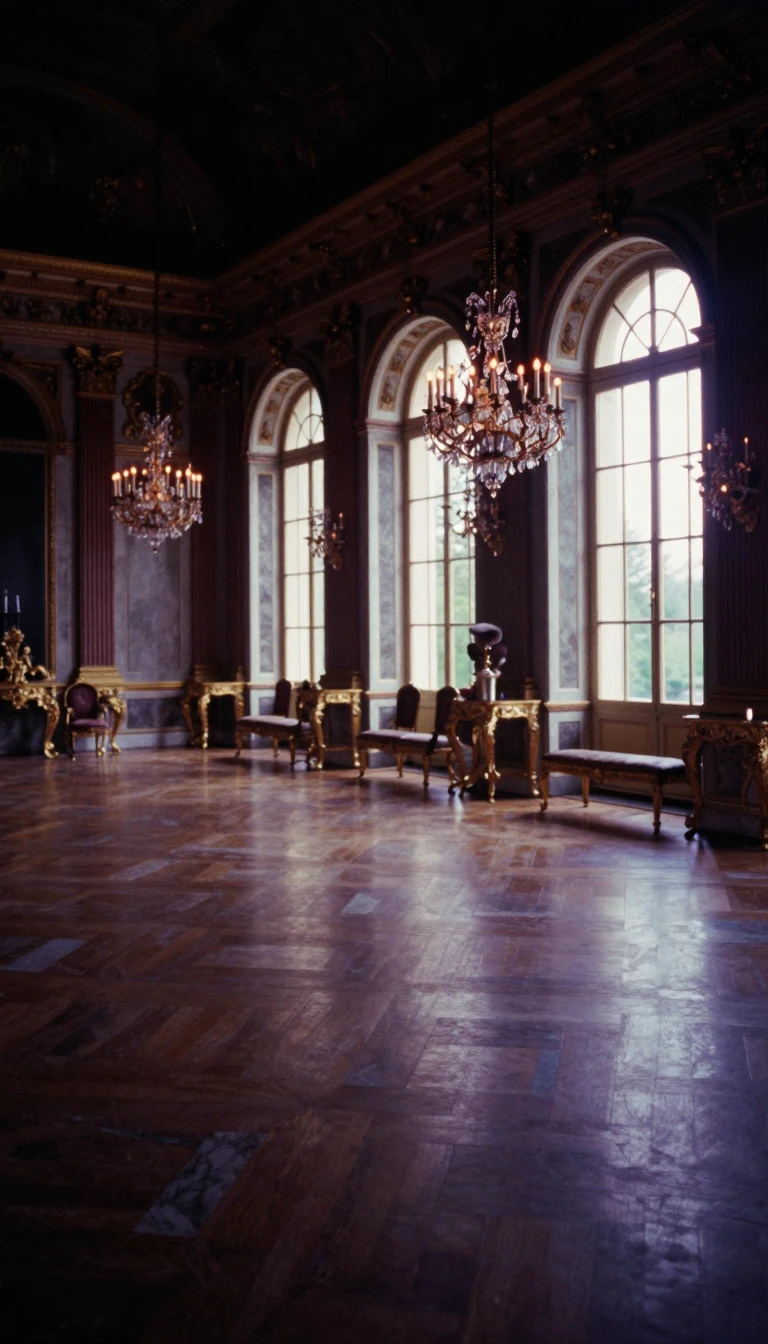
In short: Patrice Chéreau’s La Reine Margot is a visceral, blood-soaked reimagining of the St. Bartholomew’s Day Massacre. While it captures the political rot of the Valois court, the film famously prioritized emotional intensity over strict historical accuracy, even borrowing hairstyles from the 1990s grunge scene to bridge the gap to modern audiences.
Released in 1994, La Reine Margot adapts Alexandre Dumas’ 1845 novel into a sprawling, high-stakes drama centered on the religious wars between Catholics and Huguenots in 16th-century France. The plot follows Margot, daughter of the scheming Catherine de' Medici, who is forced into a marriage with the Protestant Henri de Navarre to secure a fragile peace. The film depicts a court defined by paranoia, poisoning, and the brutal St. Bartholomew's Day Massacre of 1572, where thousands were slaughtered in a single wave of violence.
Director Patrice Chéreau’s approach to history was intentionally unconventional. To make the period feel immediate rather than distant, the production team made deliberate compromises. Costume designer Moidele Bickel drew from 1560s Italian and 17th-century Spanish fashion but omitted ruffles, which were historically accurate for 1572. Even more striking were the hairstyles of the king and his brothers; they were modeled after the long, unkempt look of 1990s icons like Kurt Cobain. Clothing historian Isabelle Paresys noted that these choices were designed to limit 'strangeness' for contemporary viewers, allowing them to recognize familiar visual cues while maintaining the film's overall period integrity.
The film’s legacy is also defined by its troubled distribution. The original 162-minute cut, which premiered at the 1994 Cannes Film Festival, was trimmed by 15 minutes for North American audiences by Miramax. This version shifted the focus toward a traditional romance between Margot and the soldier La Môle, a change that critics later argued made the narrative confusing and rushed. It was not until a 2014 4k restoration that Chéreau’s original vision was widely reclaimed. Today, the film is celebrated for its 'blood-and-thunder' energy and the powerful performances of Isabelle Adjani and Virna Lisi, standing as one of the most expensive and ambitious French productions of its era.
Opens the Intellect+ feed with this card first. Swipe up for the next one.
Sources
- Summary by Intellect · source: La Reine Margot (1994 film)
To cite this card, link to https://intellectplus.co.uk/app/entertainment-la-reine-margot-1994-film.
How we source, check and correct cards: Editorial standards.
General information, not professional advice. Spotted an error? Flag the card or see corrections and complaints.
Intellect Plus is a visual educational discovery platform for exploring fascinating facts and ideas. Brain Food, Not Brain Rot. What is Intellect Plus?
Related
More in Films · More in Entertainment · Latest · A–Z · All topics
