How a cheap, sensationalist newspaper became the world's largest publication by the 1890s
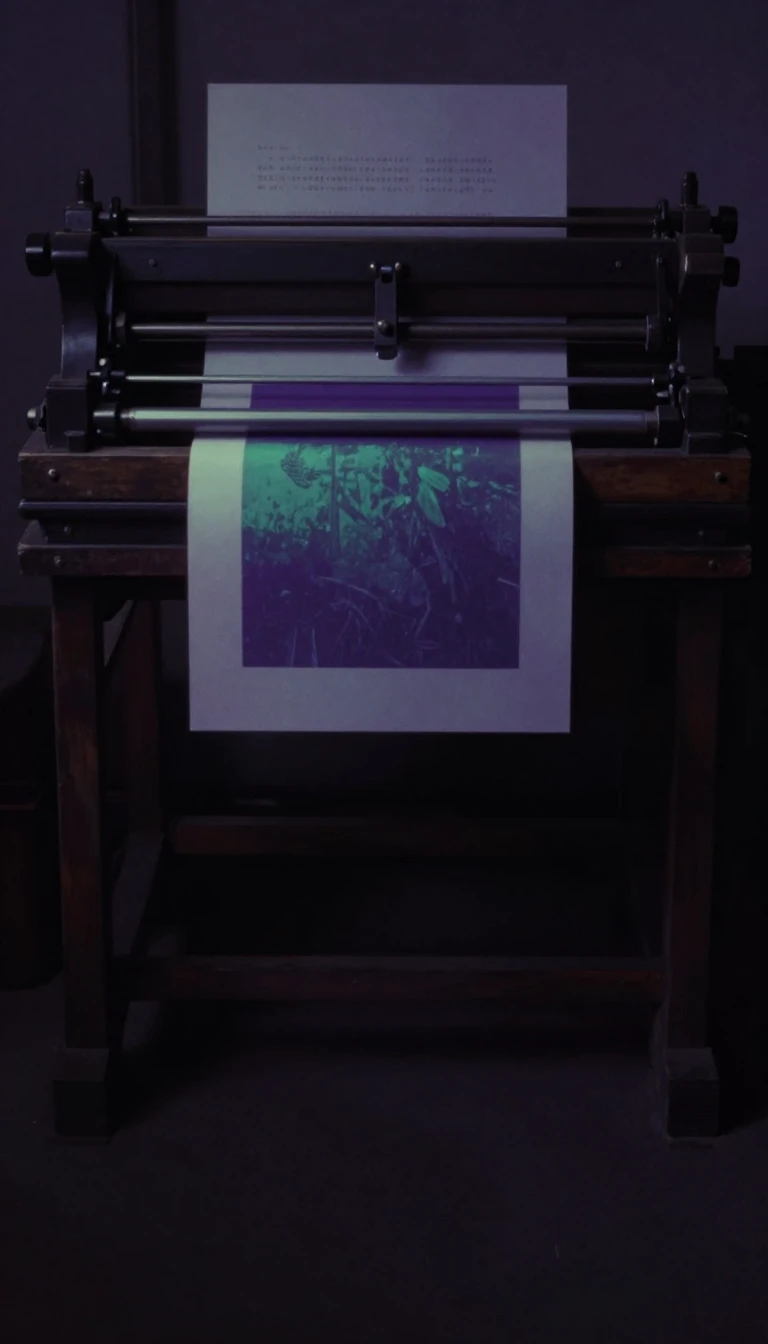
In short: Le Petit Journal transformed the French media landscape by prioritizing accessibility and sensationalism over traditional political reporting. By leveraging innovative printing technology and mass-market appeal, it reached a staggering two million copies daily, setting the standard for the modern popular press before its eventual decline during the twentieth century.
Founded in 1863 by Moïse Polydore Millaud, Le Petit Journal initially distinguished itself through a low price of five centimes. By avoiding political coverage, it bypassed the ten-centime newspaper tax that burdened competitors. This affordability, combined with a convenient format, serialised detective fiction, and horoscopes, allowed it to capture a massive audience of workers. Its rapid growth was further accelerated by the 1869 coverage of the Troppmann Affair, which doubled its readership and marked an early instance of intense public debate regarding journalistic ethics.
Technological advancement played a pivotal role in the paper's dominance. In 1872, the installation of rotary presses designed by Hippolyte Auguste Marinoni allowed for unprecedented printing speeds. Marinoni, who took control of the paper in 1882, later introduced the Supplément illustré in 1884, the first weekly supplement to feature colour illustrations. By 1889, his colour rotary press could produce 20,000 sheets per hour. These innovations propelled the paper to a circulation of two million copies by 1895, making it the largest newspaper in the world at the time.
The paper's influence extended into cultural events, most notably long-distance bicycle racing. Editor Pierre Giffard, writing as 'Jean-sans-Terre', championed the sport to boost readership and national pride. The 1891 Paris-Brest-Paris race, a 1,196-kilometer event, became so synonymous with the publication that it was dubbed 'la grande course du Petit Journal.' This model of newspaper-sponsored sporting events would later inspire the creation of the Tour de France.
Despite its peak, the paper faced a steady decline starting around 1900. Readers migrated to Le Petit Parisien, which remained neutral during the divisive Dreyfus Affair, whereas the Journal’s editor, Ernest Judet, was staunchly anti-Dreyfus. By 1919, circulation had plummeted to 400,000. In its final years, the paper became the official organ of the French Social Party under François de La Rocque. Following collaboration with the German occupation during World War II, the paper was banned, and its final edition was published on August 26, 1944.
Opens the Intellect+ feed with this card first. Swipe up for the next one.
Sources
- Summary by Intellect · source: Le Petit Journal (newspaper)
- Also: Wikidata — Le Petit Journal · CC0
To cite this card, link to https://intellectplus.co.uk/app/entertainment-le-petit-journal-newspaper.
How we source, check and correct cards: Editorial standards.
General information, not professional advice. Spotted an error? Flag the card or see corrections and complaints.
Intellect Plus is a visual educational discovery platform for exploring fascinating facts and ideas. Brain Food, Not Brain Rot. What is Intellect Plus?
Related
More in Newspapers · More in Entertainment · Latest · A–Z · All topics
